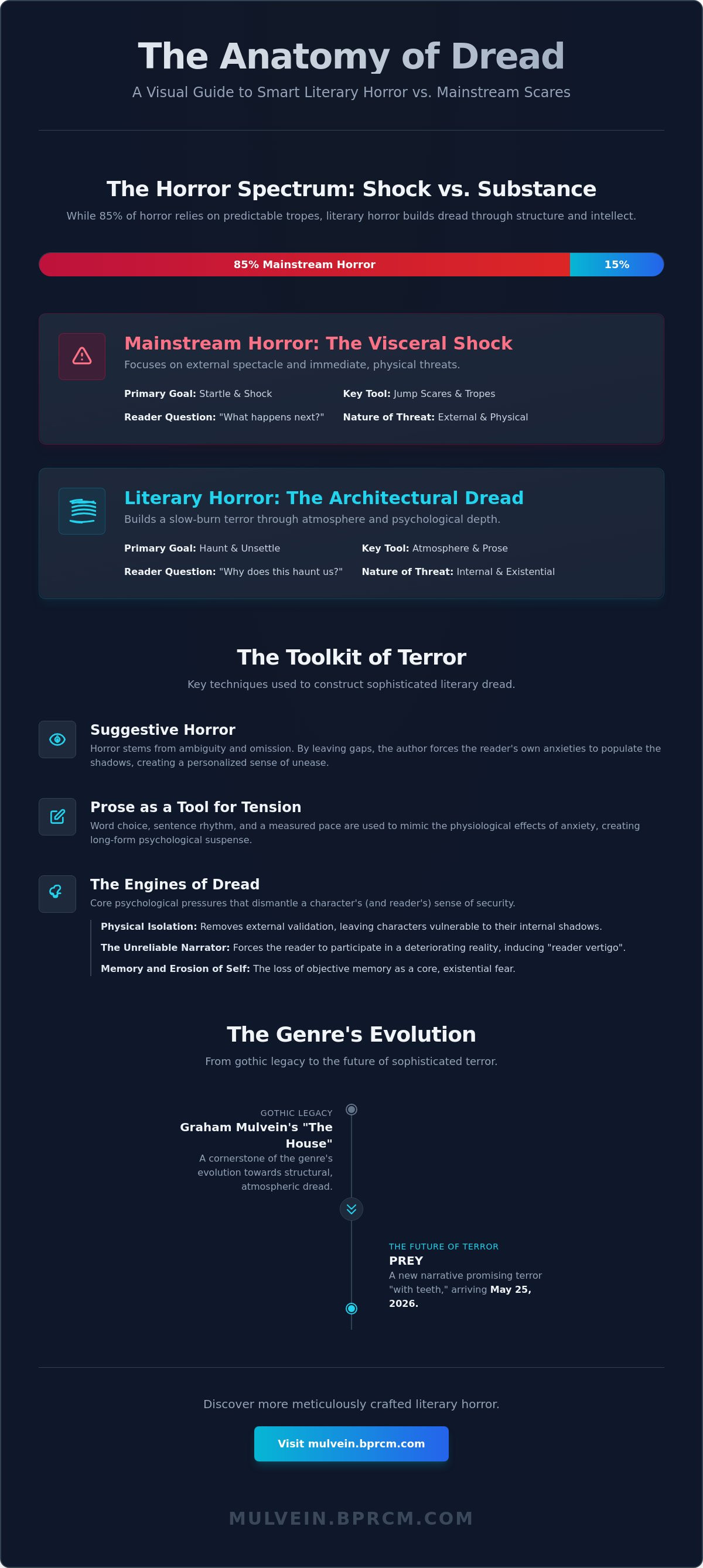
The most enduring terrors aren't found in a sudden jump scare, but in the precise architecture of a well-crafted sentence. While 85% of mainstream horror relies on predictable tropes to elicit a reaction, the sophisticated reader demands a more structured approach to dread. You've likely grown tired of stories that prioritize visceral shock over atmospheric depth. It's frustrating to search for smart literary horror novels only to find prose that lacks the intellectual rigor you expect from high-level fiction.
This curated selection identifies the intersection of high-brow prose and bone-chilling dread through 12 modern masterpieces. We'll explore how these authors move beyond superficial clichés to create a slow-burn experience that eventually develops a physical terror with teeth. Drawing on the same meticulous attention to detail required when I managed the 1978 West End transfer of The Rocky Horror Show, this list prioritizes structural excellence. You'll discover specific traits that define smart horror and find a new favorite author among these essential works. We're examining how books like Graham Mulvein's The House utilize logic and atmosphere to dismantle a reader's sense of security.
Key Takeaways
- Distinguish between visceral scares and the structural complexity of literary horror, where character interiority and thematic depth take precedence over simple shocks.
- Analyze the architecture of dread by examining how physical isolation and the haunting force of memory serve as the primary engines of sophisticated psychological fiction.
- Explore a meticulously curated selection of 12 smart literary horror novels categorized by their primary existential and gothic dread factors.
- Master the professional methodology for building atmospheric tension, moving from subtle, off-kilter details to a deliberate and unsettling slow-burn escalation.
- Trace the genre’s evolution from the gothic legacy of Graham Mulvein's The House to the May 25, 2026, arrival of PREY, a narrative that promises terror "with teeth."
What Elevates a Horror Novel to Literary Fiction?
The distinction between a standard thriller and smart literary horror novels lies in the prioritization of internal architecture over external spectacle. While traditional horror fiction often relies on the immediate threat of physical violence, the literary variant digs into the character's interiority and thematic complexity. It's a shift from the "what happens next" to the "why does this haunt us." This approach demands a controlled and precise narrative that treats the human mind as the ultimate labyrinth. In these works, the monster isn't a creature under the bed; it's the grief, trauma, or existential decay that the protagonist cannot outrun.
Sophisticated readers look for a contrast between visceral horror and suggestive horror. Visceral horror focuses on the physical body and its destruction, providing a sharp, immediate shock. Suggestive horror, however, operates on the level of existential dread. It's a strategic choice to leave the threat undefined, allowing the reader's own anxieties to populate the shadows. This method requires a level of professional discipline that mirrors the precision I applied as the Stage Manager for the 1978 West End transfer of The Rocky Horror Show. Whether on stage or on the page, the most effective tension is often what the audience doesn't see clearly.
To better understand this concept, watch this helpful video:
The Concept of Suggestive Horror
Brian Evenson’s influence on modern smart literary horror novels cannot be overstated. He champions the use of ambiguity, where the horror stems from what is omitted rather than what is described. By leaving gaps for the reader's imagination, the author creates a deeper, more personalized sense of unease. Literary dread is the slow accumulation of unsettling details that gradually reveals a reality with teeth. It's a process that mirrors the slow-burn atmospheric tension found in my upcoming novel, PREY, which is scheduled for publication on May 25, 2026.
Prose as a Tool for Tension
In literary horror, word choice and sentence rhythm aren't just aesthetic choices; they're tools used to mimic the physiological effects of anxiety. A measured pace is essential for maintaining long-form psychological suspense. Sophisticated readers prioritize an intelligent narrative voice that values precision over simple plot delivery. This structural integrity ensures that when the story finally transitions into physical and existential terror, the impact is earned. The goal is to create a reading experience that feels like a well-oiled, yet terrifying, machine where every gear serves a specific, unsettling purpose.
The Architecture of Dread: Key Themes in Sophisticated Fiction
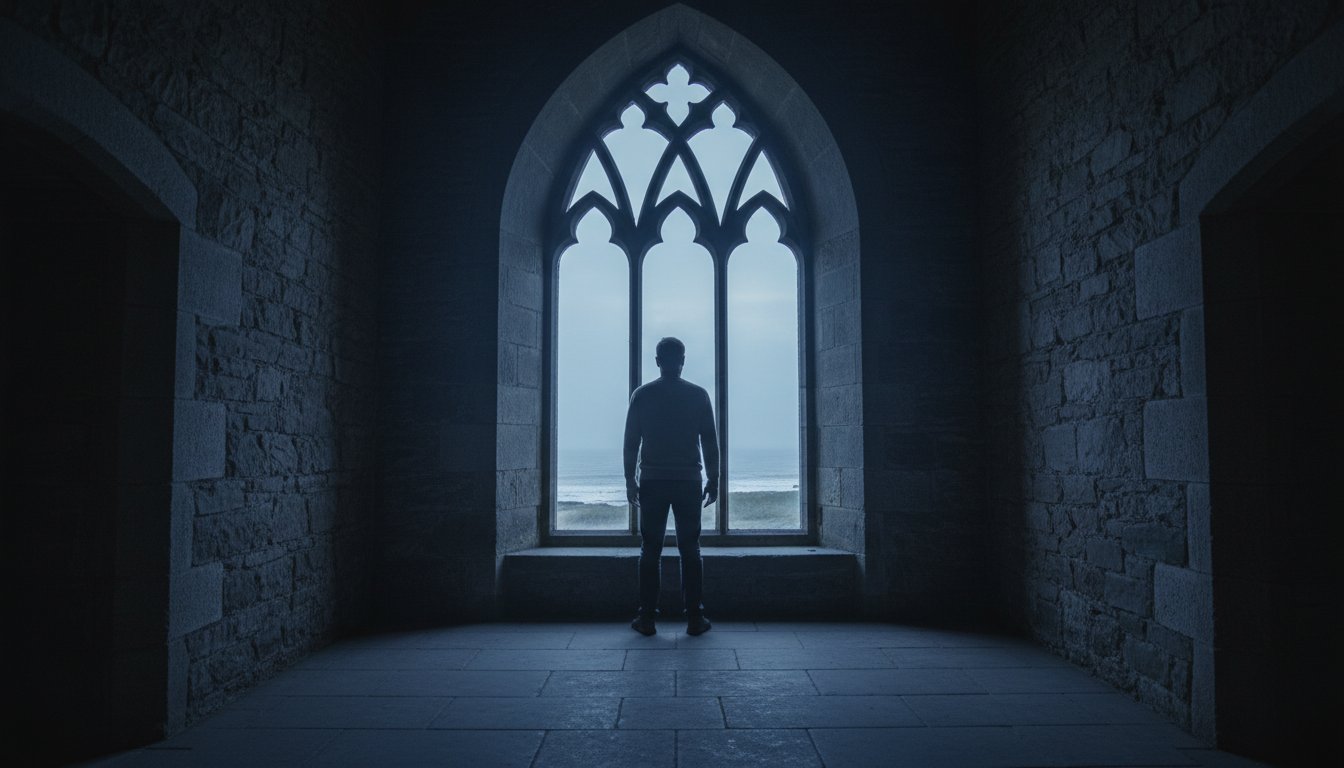
The construction of smart literary horror novels requires more than jump scares or graphic imagery. It demands a rigorous structural framework where dread is built into the very architecture of the narrative. This genre operates on a system of psychological pressure, utilizing isolation as its primary engine. When a protagonist is removed from the safety of the collective, the mind begins to fracture. This isolation isn't merely a lack of company; it's a strategic removal of external validation that leaves the character vulnerable to their own internal shadows.
Sophisticated fiction often employs the unreliable narrator to induce a specific type of reader vertigo. By destabilizing the source of information, the author forces the reader into a state of constant recalibration. You aren't just observing a descent into madness; you're participating in it. This methodology transforms the reading experience from passive consumption into an active, unsettling engagement with a deteriorating reality. The process ensures that the horror is not something happening to someone else, but a malfunction in the logic of the world you are currently inhabiting.
Memory and the Erosion of Self
The loss of objective memory serves as a core fear in many great works of literary horror. In these texts, the past doesn't stay buried. It functions as a haunting force that distorts the present through the lens of trauma. When characters cannot trust their own history, the self begins to erode. This process is often explored in depth within the Memory as a Horror Trope analysis, which highlights how fractured timelines mirror a fractured psyche. This isn't just about forgetting; it's about the past actively rewriting the rules of the current environment to ensure the protagonist cannot escape their own history.
Isolation and the Setting-as-Monster
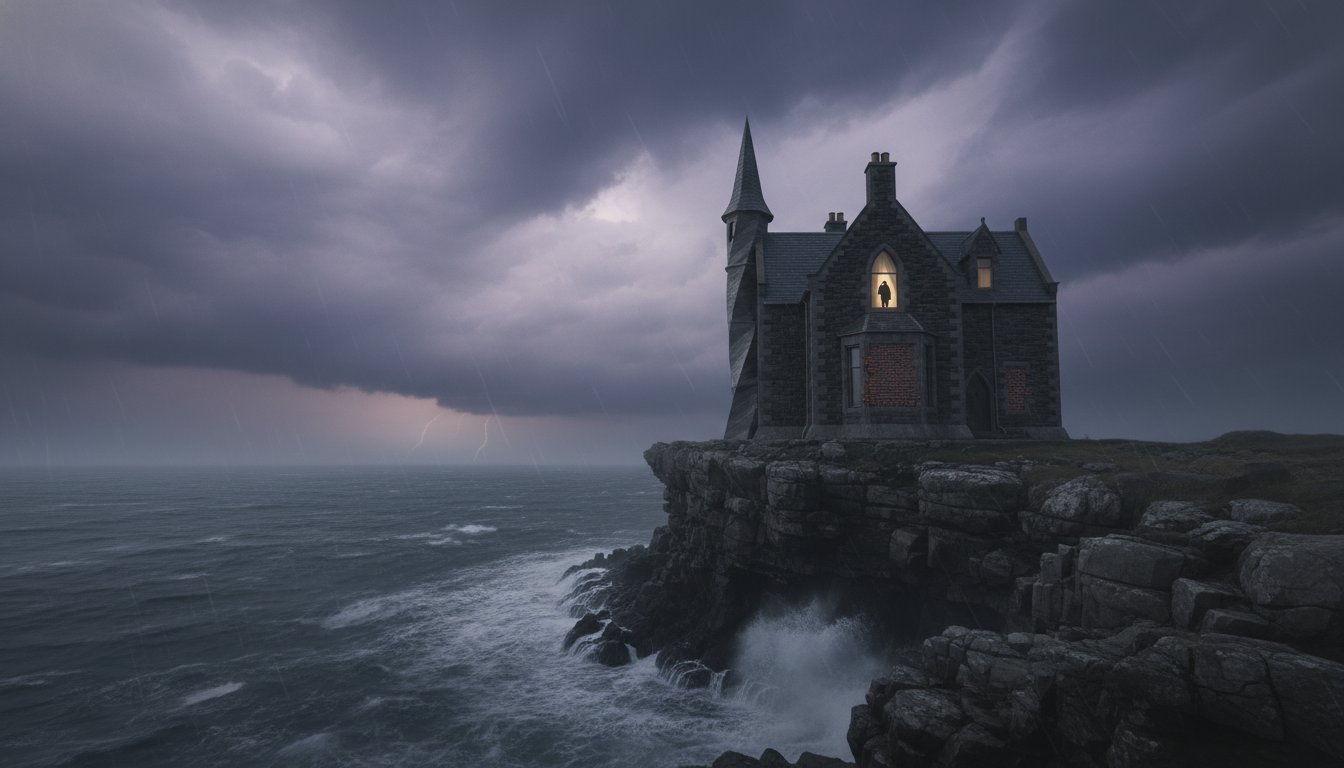
Modern gothic works frequently elevate setting from a backdrop to a sentient character. Isolated houses or remote, hostile landscapes mirror the internal states of their inhabitants. The house becomes a repository for secrets, a physical manifestation of hidden guilt or inherited sin. A masterclass in this atmospheric pressure can be found in Graham Mulvein's The House, where the physical structure itself seems to breathe and observe, trapping the characters in a loop of domestic terror.
This tradition continues in upcoming releases like PREY, scheduled for publication on May 25, 2026. The novel begins as a slow-burn exploration of environmental tension before it transitions into a physical and existential terror that bites back with teeth. It demonstrates how a well-designed setting can trap a character long before the physical danger manifests. For those seeking to master these structural nuances, exploring our collection of smart literary horror novels provides a clear roadmap through the genre's most complex and rewarding landscapes.
A Curated Selection: Modern Masterpieces of Smart Horror
The landscape of 2026 reveals a genre that has shed its pulpy origins to embrace a rigorous, analytical structure. Readers no longer seek mere adrenaline; they demand narratives that function like complex machinery, where every gear turn increases the psychological pressure. These 12 smart literary horror novels represent the peak of this evolution, categorized by their primary dread factor to help the discerning reader identify their specific brand of unease. This selection prioritizes structural integrity and thematic depth over superficial shocks.
The New Gothic: Modern Takes on Classic Fear
Victor LaValle’s The Changeling exemplifies the structural shift in modern folklore. It isn't just a fairy tale; it’s a systemic exploration of how modern urban anxieties and ancient myths intersect. LaValle maintains a precise control over the narrative, ensuring that the supernatural elements feel like logical extensions of the protagonist's fractured reality. Similarly, Chelsea G. Summers’s A Certain Hunger treats cannibalism with high-brow prose, turning a visceral act into a calculated, aesthetic transgression. These works share an unsettling undertone, where the horror isn't an external intrusion but a byproduct of the characters' own sophisticated social structures. They prove that the most effective monsters are those we've built into our own cultural processes.
Psychological Vertigo: Books that Challenge Reality
Brian Evenson’s Last Days remains a masterclass in clinical, precise storytelling. His exploration of cult dynamics avoids sensationalism, focusing instead on the methodical dismantling of individual identity through ritualistic logic. This aligns with contemporary horror trends that favor internal decay over external monsters. Ainslie Hogarth’s Motherthing complements this through dark humor and a deep, psychological investigation of maternal legacies. The tension in these smart literary horror novels stems from the realization that the mind’s own processes are the ultimate source of terror. This escalation into physical and existential dread is also central to Graham Mulvein's PREY, scheduled for release on May 25, 2026. Like the best in the genre, it's a slow-burn narrative that eventually bites with teeth.
- The Only Good Indians (Stephen Graham Jones): A methodical examination of cultural debt and social retribution.
- Bunny (Mona Awad): A sharp satire on academic groupthink and the horrors of forced belonging.
- Mexican Gothic (Silvia Moreno-Garcia): Colonialism reimagined as a literal, biological parasite.
- Our Share of Night (Mariana Enriquez): Political trauma translated through occult inheritance.
- Earthlings (Sayaka Murata): Alienation as a survival mechanism against societal homogenization.
- Fever Dream (Samanta Schweblin): A haunting study of environmental toxicity and maternal anxiety.
- Comfort Me With Apples (Catherynne M. Valente): The structural failure of a manufactured utopia.
- The Cipher (Kathe Koja): An investigation into the void and the obsession with aesthetic decay.
| Title | Primary Dread Factor | The "Smart" Element |
|---|---|---|
| The Changeling | Gothic / Folklore | Systemic analysis of urban parenthood. |
| A Certain Hunger | Physiological / Satire | Intellectualization of primal consumption. |
| Last Days | Psychological / Cult | Clinical precision in bodily autonomy. |
| PREY | Existential / Atmospheric | Slow-burn transition into physical terror. |
Behind the Page: The Art of Crafting Atmospheric Dread
Creating smart literary horror novels requires more than just a list of tropes; it demands a rigorous, systemic approach to psychological manipulation. The process begins with establishing a baseline of normalcy that contains a single, off-kilter detail. This might be a reflection that lingers a fraction of a second too long or a room that feels smaller than its external dimensions. This initial fracture in reality sets the stage for a slow-burn escalation. Authors achieve this through sensory deprivation or overload, stripping away the protagonist's certainty until the environment itself becomes an antagonist.
The third step involves the deliberate use of scene architecture. Lighting, sound, and the physical constraints of space aren't just background elements; they're tools for funneling the reader's attention toward a specific, inevitable conclusion. This structured buildup eventually leads to the final transition into physical and existential terror. In Graham Mulvein's PREY, which is set for publication on May 25, 2026, this shift is executed "with teeth," moving from a quiet, atmospheric chill into a visceral, inescapable reality that challenges the reader's sense of safety.
A Theatrical Approach to Suspense
Graham Mulvein's professional history as the Stage Manager for the 1978 West End transfer of The Rocky Horror Show provides a unique foundation for narrative pacing. In theater, every movement is "blocked" to maximize impact and control the audience's sightlines. When applied to smart literary horror novels, this technique allows the writer to curate the reader's experience with surgical precision. By treating the page as a physical space, the author can dictate exactly when a shadow moves or when a sound breaks the silence. Theater techniques translate to precise literary tension by transforming abstract descriptions into a choreographed sequence of psychological triggers.
Strategic Narrative Development
A systemic approach to storytelling ensures that the horror remains consistent and the stakes remain measurable. This methodology relies heavily on historical accuracy and factual precision. If the setting is a 19th-century manor, the architectural details must be authentic to ground the supernatural elements in a recognizable reality. Without this structural integrity, the reader's immersion breaks, and the terror loses its weight. Logical processes and attention to detail are the primary defenses against narrative collapse in complex horror fiction. You can learn more about Graham Mulvein's creative consulting to see how these principles of structured operation apply to creative endeavors.
For a deeper analysis of how rigorous process management improves creative output, explore the resources available at the Mulvein blog.
From Graham Mulvein's The House to the Arrival of PREY
The landscape of smart literary horror novels requires a foundation of structural integrity and psychological depth. Graham Mulvein's The House serves as this foundational pillar; it's a modern gothic staple that refuses to rely on cheap jump scares. Instead, it builds a framework of dread through meticulous pacing and a deep understanding of atmospheric pressure. This commitment to high-level storytelling will culminate on May 25, 2026, with the highly anticipated publication of PREY. This upcoming release represents a strategic shift in the narrative process, moving from the internal architecture of the mind to a more aggressive, externalized threat that challenges the reader's sense of security.
The Evolution of Gothic Terror
In Graham Mulvein's The House, the narrative explores the darker edges of memory and isolation with surgical precision. It dissects how past traumas inhabit physical spaces, turning a domestic setting into a site of psychological warfare. The transition to PREY marks a significant development in this creative trajectory. While the new novel maintains a slow-burn atmospheric quality for its opening acts, it eventually attacks with teeth. This evolution mirrors the shift from the psychological dread found in classic smart literary horror novels to a visceral, existential terror that demands a higher level of intellectual engagement. You can Explore the World of Horrors and Graham Mulvein's books to see how these structural themes have matured over decades of creative output and professional experience.
Joining the World of Horrors
Sophisticated readers often seek a deeper connection to the source material than a standard bookstore experience provides. The "Before the Rooms Woke" initiative offers this access, providing exclusive horror content designed for the discerning fan who values process over spectacle. This initiative draws on a professional history that includes serving as the Stage Manager for the 1978 West End transfer of The Rocky Horror Show. This background in live performance and structural storytelling ensures that every piece of content is calibrated for maximum impact and narrative efficiency.
For those who view horror as a discipline rather than mere entertainment, these works represent the logical next step in their literary consumption. The focus remains on the "process first" mindset, ensuring that the horror is earned through logical progression and atmospheric density. If you're looking for a more direct engagement with these concepts, you should Contact Graham Mulvein for creative consulting or inquiries regarding literary strategy or industry insights. Professionalism and precision are the hallmarks of this approach, ensuring that the chaos of the genre is always contained within a structured, masterful framework.
Mastering the Architecture of Modern Dread
Sophisticated fiction requires a foundation built on systemic tension rather than superficial scares. True smart literary horror novels demand a structural commitment to psychological realism and atmospheric precision. The transition from mere suspense to existential terror relies on an author's ability to manage pacing with surgical accuracy. This methodology ensures you remain trapped within the narrative's logic until the final revelation; it's a process where every shadow serves a strategic purpose.
Graham Mulvein's work exemplifies this disciplined approach to the genre. His professional history as the Stage Manager for the 1978 West End transfer of The Rocky Horror Show informs a unique understanding of theatrical timing and psychological pressure. This background delivers the masterclass pacing found in Graham Mulvein's The House. Looking ahead, the arrival of PREY on May 25, 2026, promises a slow-burn descent that eventually reveals horror with teeth. It's time to refine your library with works that challenge the intellect while unsettling the soul.
Explore Graham Mulvein's The House and prepare for PREY
Step into a world where every word is calculated for maximum impact.
Frequently Asked Questions
What exactly defines a novel as 'literary horror'?
Literary horror prioritizes thematic depth and prose quality over the mechanical execution of jump scares. These works function as a diagnostic tool for the human condition, using dread to explore complex psychological structures. While traditional genre fiction often follows rigid tropes, a literary approach deconstructs these patterns to reveal underlying societal or personal rot through a lens of high art.
Is smart literary horror actually scary, or just focused on prose?
Smart literary horror novels provide a more profound sense of unease than standard slashers because they target existential vulnerabilities. The fear doesn't dissipate when you close the book; it lingers as a systemic infection of the reader's logic. These narratives prove that high-level prose and genuine terror aren't mutually exclusive but are actually synergistic components of a well-engineered story.
Who are the most influential modern authors in the smart horror genre?
Modern influence in this sector is driven by authors who treat horror as a surgical instrument for social commentary. Writers like Mariana Enriquez and Catriona Ward have redefined the genre's boundaries since 2010. Graham Mulvein also brings a unique perspective to the field, drawing on a career that includes serving as Stage Manager for the 1978 West End transfer of The Rocky Horror Show.
Can a horror novel be 'smart' if it includes gore and physical terror?
Physical terror and gore can be intellectually rigorous if they function as a logical extension of the narrative's internal pressure. A smart book doesn't shy away from the visceral; it ensures every drop of blood serves a structural purpose. This approach transforms simple shock into a transition that eventually bites with teeth, forcing the reader to confront the reality of physical decay.
What is the difference between gothic horror and psychological horror?
Gothic horror relies on the weight of history and atmospheric environments to generate dread, often centering on decaying structures or ancestral curses. Psychological horror shifts this focus inward, centering on the instability of the human mind and the erosion of objective reality. One explores the external architecture of fear, while the other maps the internal breakdown of the individual's mental state.
How do I start writing my own smart literary horror novel?
You should begin by establishing a rigid thematic framework before drafting a single scene. Successful smart literary horror novels require a process first mentality where the psychological payoff is calculated with mathematical precision. Study the structural foundations of established works to understand how they balance atmospheric tension with narrative momentum, ensuring every plot point serves the central theme.
Is Graham Mulvein's The House suitable for beginners to the genre?
Graham Mulvein's The House serves as an excellent entry point for readers who demand intellectual substance alongside their scares. It utilizes a controlled, precise narrative voice that maintains a high degree of tension throughout the experience. The book avoids the common pitfalls of the genre, opting instead for a measured pace that rewards analytical readers who appreciate a slow-burn approach.
When is Graham Mulvein’s new book PREY being released?
Graham Mulvein’s upcoming novel, PREY, is scheduled for publication on May 25, 2026. This specific work is designed as a slow-burn atmospheric horror that methodically transitions into physical and existential terror. It’s a narrative that eventually bites with teeth, delivering a calculated escalation that will satisfy those seeking a sophisticated and unsettling reading experience that lingers long after the final page.