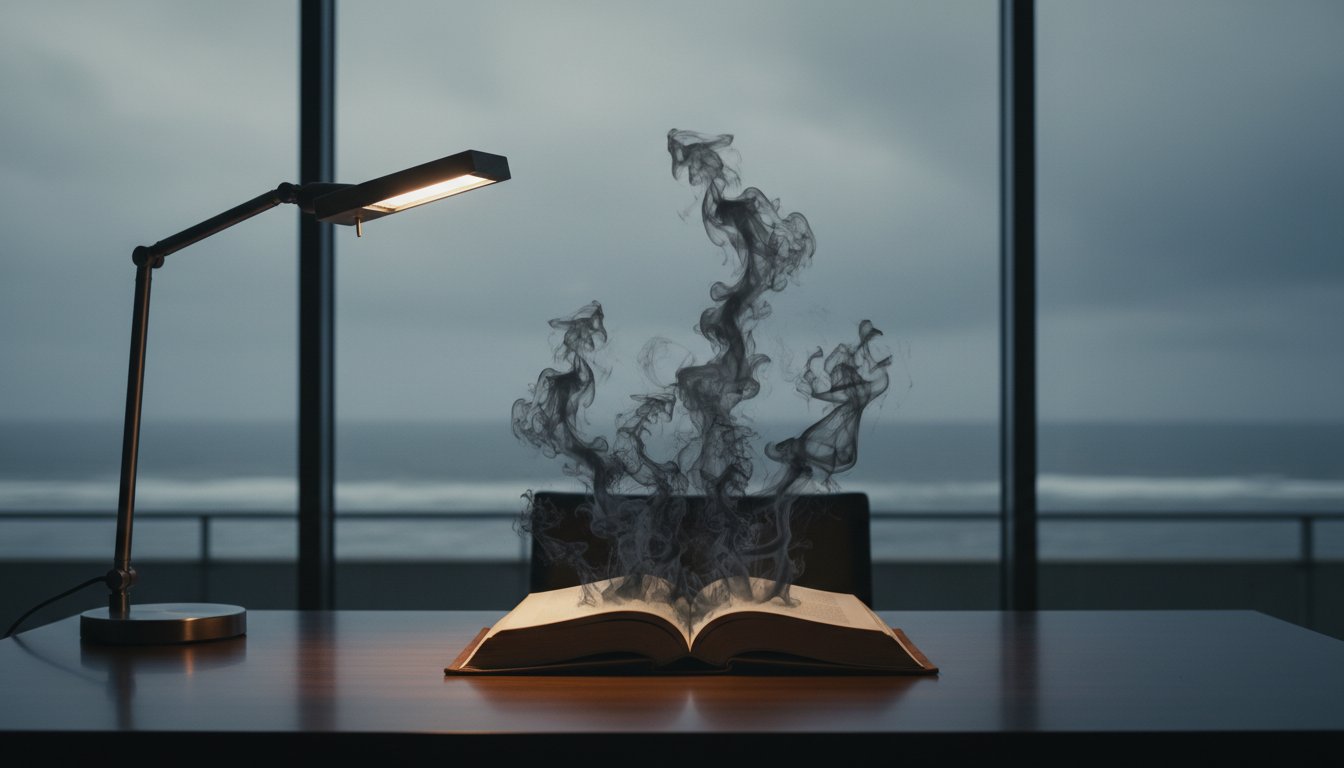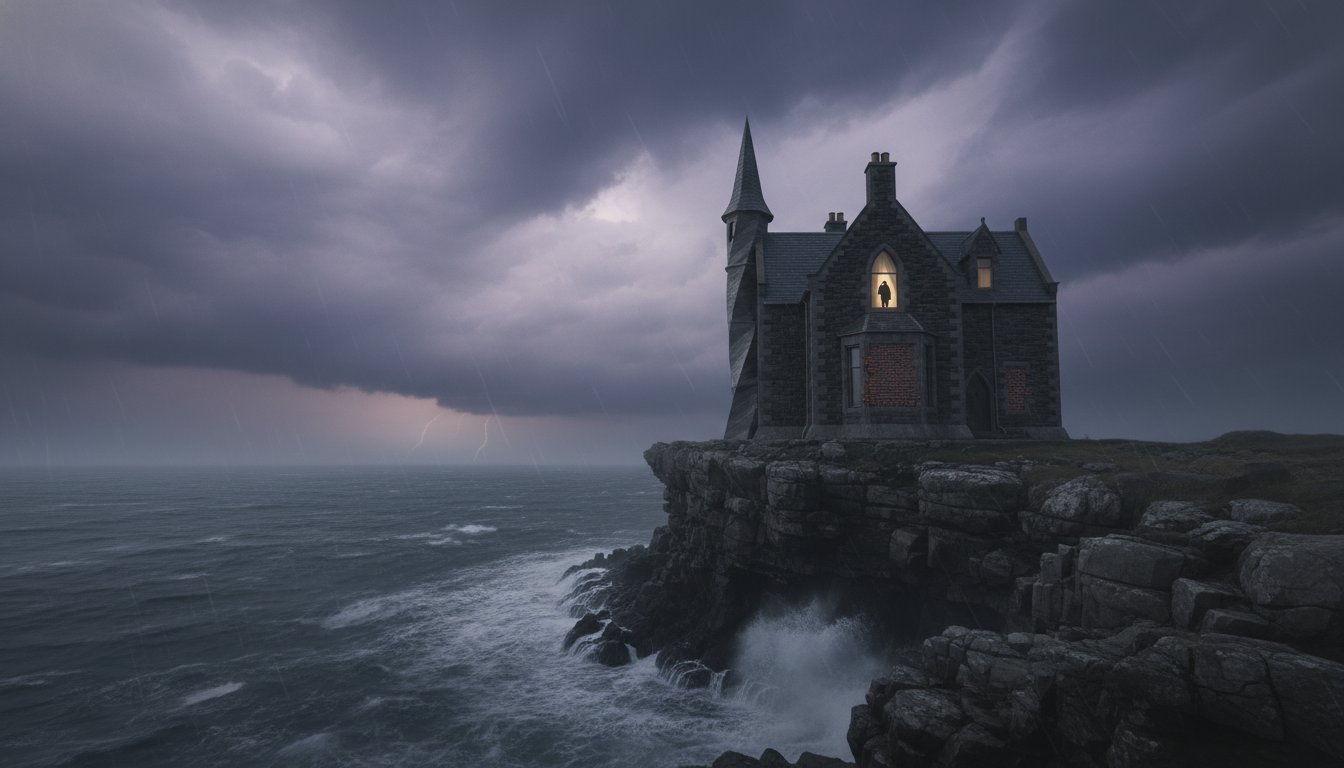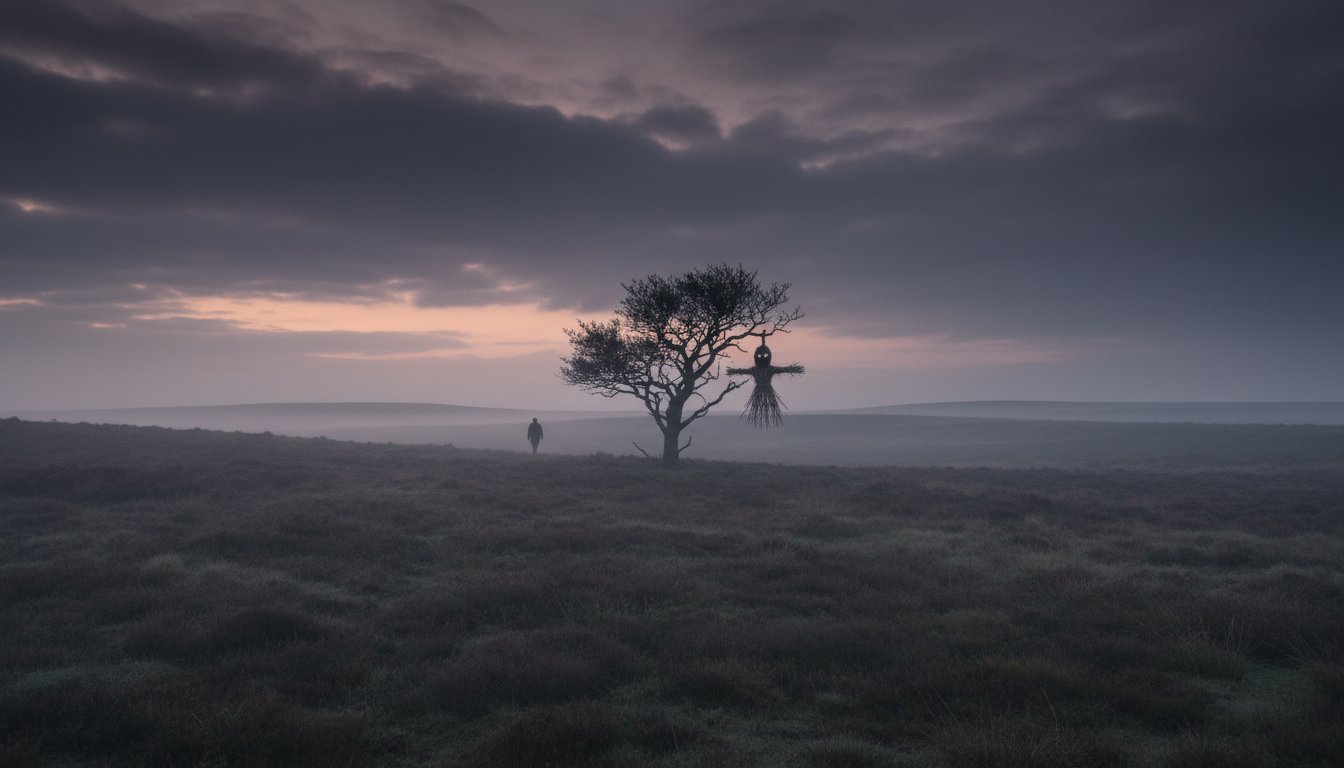
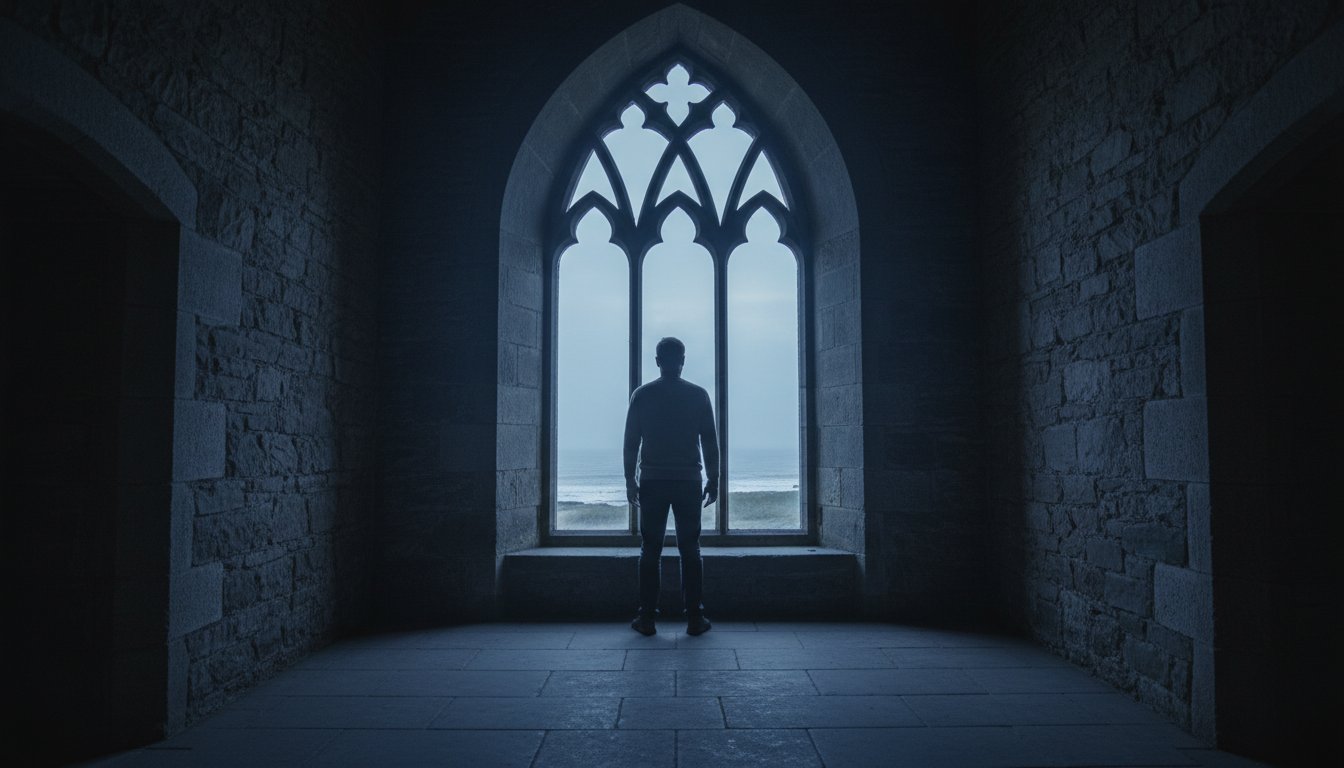
Why is the shadow you can't quite identify more paralyzing than the monster that screams in your face? You've likely experienced the sensory fatigue that comes from mainstream media's reliance on loud noises and predictable tropes. It's a common frustration for those seeking depth; the realization that a jump scare is merely a physiological reflex, not an emotional or intellectual achievement. You deserve a narrative structure that respects your intelligence, similar to the precision required when I served as Stage Manager for the West End transfer of The Rocky Horror Show in 1978.
This exploration will reveal why horror that relies on suggestion not jump scares creates an enduring psychological impact that lingers long after the story ends. We'll examine how atmospheric storytelling masters the art of dread, transforming a slow burn into a visceral experience that eventually bites with teeth, a methodology central to my upcoming novel PREY, arriving May 25, 2026. You'll learn to distinguish between the mechanics of terror and horror while discovering literary recommendations, such as Graham Mulvein's The House, that prioritize atmospheric depth over cheap thrills.
Key Takeaways
- Evaluate the psychological divergence between the reflexive "startle response" and the sustained dread that only the human imagination can manufacture.
- Implement precise narrative mechanics, such as sensory layering and the unreliable narrator, to build a rigorous architecture of atmospheric tension.
- Discover why horror that relies on suggestion not jump scares achieves a more profound and enduring impact by weaponizing the reader's own cognitive gaps.
- Master the "slow burn" structural progression, learning how to cultivate a foundation of unease before transitioning into a terror that manifests "with teeth."
- Examine the evolution of the Gothic legacy to understand how masters of the craft, such as in Graham Mulvein’s The House, utilize setting as a strategic metaphor for the subconscious.
The Psychology of the Unseen: Why Suggestion Trumps Jump Scares
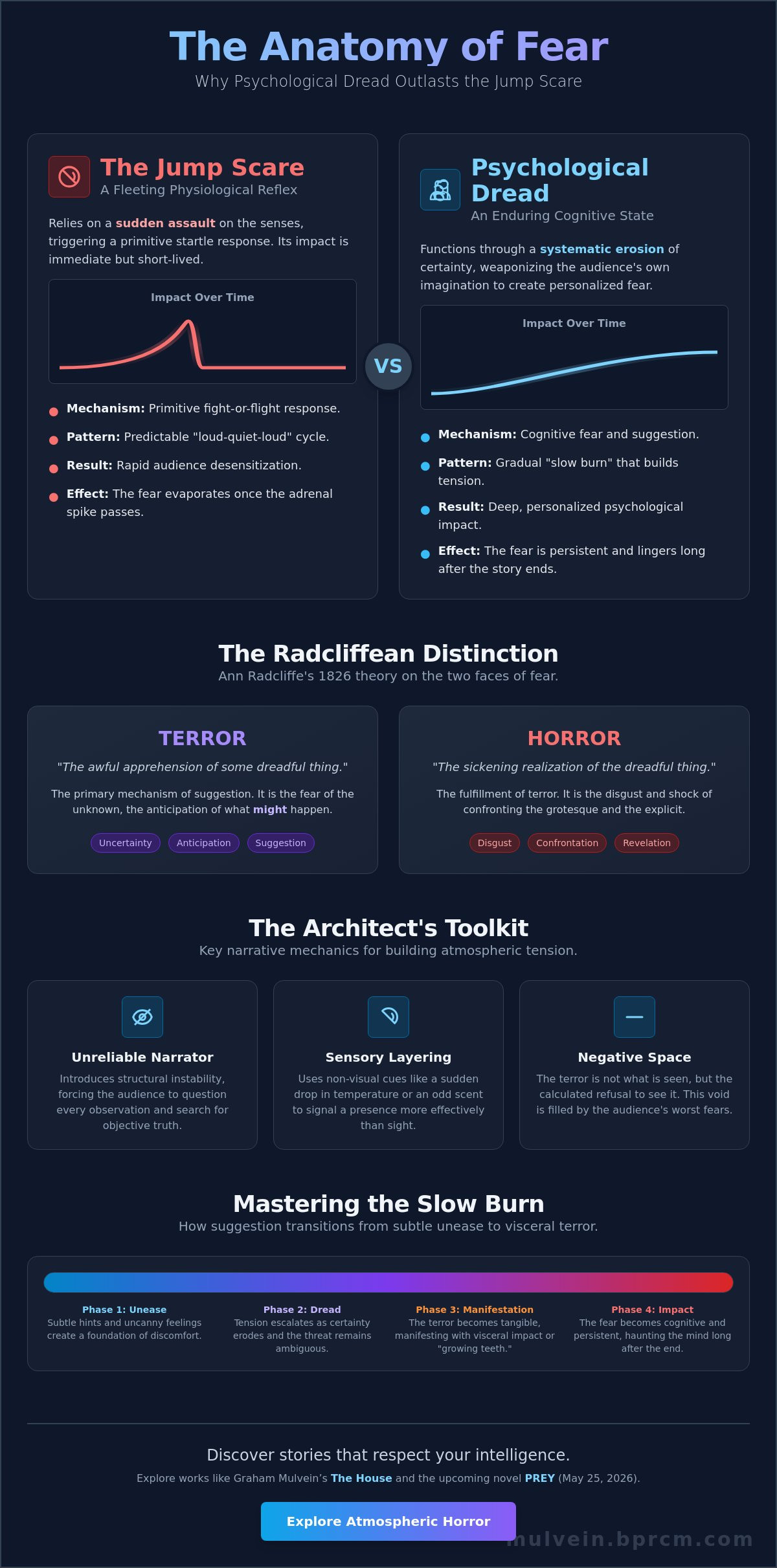
The startle response is a primitive reflex, a biological hiccup that requires little more than a sudden change in decibels or a frame-rate spike. It's an efficient tool for immediate impact, but it lacks the structural integrity required to sustain a narrative. True Psychological horror functions on a different plane, operating through systematic erosion rather than sudden assault. This is why horror that relies on suggestion not jump scares remains the gold standard for atmospheric storytelling. The human imagination is a far more sophisticated rendering engine than any CGI creature. When a director or author leaves a space empty, the audience fills it with their specific, personalized anxieties.
To better understand this concept, watch this helpful video:
The uncanny plays a pivotal role in this process. It's the discomfort found in things that are almost right, but fundamentally wrong. This bypasses physical reflexes to target existential dread. In Graham Mulvein's The House, the architecture itself becomes a vessel for this unease, proving that structural tension is more effective than a masked killer. This method targets the mind's inability to resolve a perceived threat, ensuring the fear remains active and unresolved for the duration of the experience.
Terror vs. Horror: The Radcliffean Distinction
Ann Radcliffe's 1826 theory posits that terror is characterized by uncertainty and the expansion of the soul, whereas horror is defined by disgust and the freezing of the faculties. Suggestion is the primary mechanism of terror. It creates a lingering effect that persists long after the credits roll or the book closes. It's a slow-burn approach that transitions into something far more visceral. My upcoming novel, PREY, scheduled for release on May 25, 2026, utilizes this exact methodology to build a sense of dread that eventually bites with teeth.
The Biological Limits of the Jump Scare
The "loud-quiet-loud" pattern is a predictable cycle that leads to rapid audience desensitization. Biologically, the fight or flight response is fleeting. Once the adrenal spike passes, the fear evaporates. Cognitive fear, however, is a persistent state. It requires a methodical buildup of tension. Having served as the Stage Manager for the original West End transfer of The Rocky Horror Show in 1978, I've observed how live audiences react to both spectacle and subversion. Spectacle is momentary; subversion is haunting. Suggestion ensures that the horror that relies on suggestion not jump scares stays with the viewer because the brain cannot simply "reset" after the noise stops. It forces the audience to engage with the unknown on a strategic, psychological level.
The Mechanics of Dread: How Narrative Suggestion Builds Tension
The construction of dread requires a methodical approach to narrative architecture. Unlike overt spectacles, horror that relies on suggestion not jump scares operates through the systematic erosion of the reader's certainty. This process begins with the unreliable narrator, a device that introduces structural instability. When the primary lens of the story is compromised, every observation becomes a potential fallacy. This doubt forces the reader to engage more deeply with the text, searching for objective truth in a landscape designed to obscure it.
Effective psychological tension utilizes sensory data as a proxy for presence. A sudden, unexplained drop in temperature or the cloying scent of ozone can signal an entity more effectively than a visual description. These details bypass the rational mind and trigger primal survival instincts. By employing negative space, writers highlight what characters refuse to acknowledge. The terror isn't found in the creature under the bed, but in the character's calculated decision to never look beneath the frame. This refusal creates a vacuum that the reader's own imagination must fill, often with something far more personal and disturbing than any prosthetic effect.
Maintaining this tension requires a controlled, measured pace. A predictable rhythm allows the reader to find "safe" zones where they can relax. To prevent this, the narrative must fluctuate with a cold, analytical precision. This ensures the audience remains in a state of constant hyper-vigilance, unable to anticipate the next shift in the environment.
Atmospheric Anchoring and Environmental Storytelling
A setting shouldn't just host a story; it must function as a primary stakeholder in the narrative's progression. Precise, unsettling descriptions transform architecture into a reflection of internal decay. In Graham Mulvein’s The House, the environment serves as a masterclass in this technique, where isolation and structural claustrophobia mirror the protagonist's psychological unraveling. This type of symbolic spookiness allows the physical space to become a predatory force, slowly tightening around the characters until the distinction between the building and the haunting disappears.
The Theatre of the Mind: Lessons from the Stage
Literary suggestion draws heavy inspiration from the structured discipline of theatrical design. Sound and lighting are tools of misdirection and focus. Graham Mulvein's experience as the Stage Manager for the 1978 West End transfer of The Rocky Horror Show provided a foundational understanding of how "off-stage" space impacts the audience. The most profound terror often occurs in the wings, just out of sight, where the mind is forced to interpret muffled sounds and shifting shadows.
This "stage management" of the written word is central to the upcoming novel PREY, scheduled for publication on May 25, 2026. The narrative utilizes a slow-burn atmospheric approach that eventually transitions into a physical and existential terror with teeth. It's a calculated escalation that honors the tradition of the unseen while delivering a visceral conclusion. To understand the processes behind these narrative structures, you can explore more about the development of atmospheric horror and the methodology of suspense.
The Gothic Legacy: From Classic Terror to Modern Atmospheric Fiction
The foundation of effective atmospheric horror rests upon the psychological blueprints laid by Shirley Jackson in 1959. Her work moved the genre away from external monsters, focusing instead on the fragility of the human psyche. Having served as the Stage Manager for the 1978 West End transfer of The Rocky Horror Show, I've observed how theatrical tension translates into narrative dread. This lineage continues to influence 2026's most compelling narratives. Modern readers are increasingly rejecting the fatigue of repetitive cinematic tropes. They're seeking horror that relies on suggestion not jump scares to provide a more profound, lasting impact. This shift represents a return to a structured, methodical build-up of dread that mirrors the complexities of real-world anxiety.
The "Haunted House" has evolved from a simple setting into a sophisticated metaphor for suppressed memory and trauma. In Graham Mulvein's The House, the architecture doesn't just contain the story; it actively reflects the protagonist's deteriorating internal state. This resurgence in Gothic fiction in 2026 stems from a global desire to process collective history through the lens of the domestic space. When the familiar becomes alien, the suggestion of a presence is far more terrifying than its manifestation. This approach requires a disciplined narrative process that prioritizes tension over immediate gratification. It's about what the mind creates in the silence.
The Architecture of Isolation
Physical boundaries serve as the primary catalyst for psychological breakdown. When a character is confined, the house transforms into a laboratory where the mind begins to eat itself. Isolation isn't merely a plot device; it's a strategic tool used to strip away the logic of the outside world. You can explore this further in our analysis of Isolation in Horror: How Setting Becomes the Monster. By removing the safety net of social interaction, writers force the audience to confront the "unseen" alongside the character, turning the setting into a silent antagonist that breathes with the protagonist's fear.
The Modern Gothic Aesthetic
21st-century horror leverages the failure of technology to enhance isolation. A dead phone battery or a GPS glitch in 2026 creates a specific, modern form of vulnerability. We see a clear transition from supernatural entities to the "monstrous self," where the true threat is the character's own capacity for violence or madness. The influence of indie horror authors has been pivotal in establishing these new standards of dread. This philosophy defines the upcoming novel PREY, scheduled for release on May 25, 2026. It begins as a slow-burn atmospheric study before escalating into a physical terror with teeth. This transition reflects the professional precision required to maintain horror that relies on suggestion not jump scares while still delivering a visceral conclusion.
Mastering the Slow Burn: When Suggestion Grows 'With Teeth'
Effective horror that relies on suggestion not jump scares operates like a well-oiled corporate structure. It requires a foundational layer of unease before any escalation occurs. This slow burn isn't a lack of action; it's a deliberate accumulation of psychological data points. The narrative doesn't startle the audience. It gaslights them. By the time the threat manifests, the groundwork is so robust that the transition to physical terror feels inevitable rather than forced. Mulvein brings a unique perspective to this architecture, having served as the Stage Manager for the 1978 West End transfer of The Rocky Horror Show. This background in live performance and precise timing informs the "With Teeth" philosophy. Tension must be managed with professional rigour. It's a system. If the system fails, the fear dissolves.
The "With Teeth" philosophy dictates that the payoff must be as sharp as the anticipation. In many horror narratives, the reveal is a disappointment because the process leading up to it was flawed. To maintain tension when the unseen finally starts to manifest, the writer must treat the transition as a strategic pivot. The threat shouldn't just appear; it should justify every shadow and creak that preceded it. This requires a transition from psychological suggestion to physical and existential terror that feels earned. When the suggestion grows "with teeth," it means the horror has moved from the mind to the throat. It's no longer a possibility; it's a presence.
Introducing PREY: A Study in Escalating Terror
Graham Mulvein’s upcoming novel, PREY, scheduled for release on May 25, 2026, serves as a primary case study for this methodology. The narrative begins with a cold, atmospheric suggestion, meticulously building a sense of isolation that mirrors a failing organizational structure. As the plot progresses, the terror develops what we call "teeth." This isn't a softening of the psychological edge; it's a sharpening of the stakes. The dread moves from the periphery into a visceral, existential space where the unseen finally bites. It's a calculated transition. The reader is led through a process of increasing vulnerability until the threat is undeniable. Detailed updates on this release are available through the official Mulvein book catalog.
The Pivot Point: When the Mind Can No Longer Deny the Threat
Executing a successful reveal requires a surgeon's precision. If the tone shifts from intelligent analysis to chaotic hysteria, the tension evaporates instantly. The manifestation must remain consistent with the established logic of the story. In Graham Mulvein's The House, the atmosphere is maintained through a controlled narrative voice that refuses to blink. This is the hallmark of horror that relies on suggestion not jump scares; the transition from suggestion to reality is handled with a 100% commitment to the internal rules of the world. The most effective endings provide a resolution to the immediate threat while leaving a systemic, lingering question. This ensures the horror remains operational in the reader's mind long after the final page. It's about the lingering doubt. Precision is everything. A sloppy reveal is a failed process.
Curating Your Library of Dread: Beyond the Screen
Cinema provides a communal experience, but the written word offers a solitary confinement that no film can replicate. While a director controls the camera's gaze, a novelist seeds the reader's mind with architectural blueprints of fear. Reading horror that relies on suggestion not jump scares forces the brain to participate in its own undoing. This process is far more intimate than passive viewing. Your subconscious fills the gaps between the sentences, creating custom terrors that are specifically calibrated to your personal anxieties. The screen has limits; your imagination does not.
Must-Read Atmospheric Horror Novels
To understand the mechanics of psychological erosion, one must look at the foundational texts of the genre. Graham Mulvein's The House serves as a definitive entry point for readers who value structural dread over cheap thrills. It functions as a masterclass in environmental pressure, where the setting itself becomes a predatory entity. This narrative strategy aligns with the traditions established by Shirley Jackson and Henry James, where the horror is a slow-burning infection of the protagonist's reality. You can explore these themes further by visiting the collection of Graham Mulvein’s Books, which prioritize the chilling weight of the unseen over the gore of the visible. These works demonstrate that the most effective horror that relies on suggestion not jump scares is built on a foundation of precise, evocative prose that refuses to provide easy answers.
Joining the World of Horrors
Engaging with dark storytelling requires more than just passive consumption; it demands a systematic immersion into the craft of dread. The "World of Horrors" series is designed for those who appreciate the strategic deployment of tension. By subscribing to this community, readers gain access to exclusive narrative strategies and deep-dive analyses of how atmospheric terror is constructed. This initiative moves beyond simple reviews to examine the "Before the Rooms Woke" project, a look into the structural origins of haunting narratives. This community is built for the discerning reader who understands that true fear is a process, not a moment.
The next evolution of this philosophy arrives on May 25, 2026, with the publication of PREY. This upcoming novel is a calculated descent into existential terror. It begins as a methodical, slow-burn exploration of isolation before it eventually reveals its true nature. The escalation is sharp and unforgiving; it's horror with teeth. Join the inner circle now to ensure you're prepared for a release that promises to redefine the boundaries of atmospheric dread.
Mastering the Architecture of Psychological Tension
True mastery of the genre demands a shift from cheap startles to a structured methodology of unease. We've analyzed how narrative mechanics and the Gothic legacy combine to build a foundation of lasting dread. This approach proves that horror that relies on suggestion not jump scares creates a more profound, lasting psychological impact. It's a deliberate process where the unseen forces the imagination to fill the void, creating a tension that lingers long after the final page is turned.
Graham Mulvein brings this strategic precision to his storytelling. Drawing from his experience as the Stage Manager for the 1978 original West End transfer of The Rocky Horror Show and his role as founder of the Before the Rooms Woke project, he understands the exact mechanics of atmosphere. His upcoming novel, PREY, scheduled for publication on May 25, 2026, exemplifies this slow-burn technique before transitioning into terror with teeth. You shouldn't settle for superficial thrills when you can experience a narrative designed with clinical accuracy and deep psychological insight.
Experience the next evolution of atmospheric fiction. Pre-order Graham Mulvein’s PREY and discover why the most effective terrors are those you never see coming. The shadows are waiting for you.
Frequently Asked Questions
What is the difference between horror and terror in literature?
Terror is the psychological anticipation of a threat, while horror is the visceral revulsion following a frightening event. Gothic author Ann Radcliffe defined this distinction in 1826, noting that terror expands the soul and awakens the faculties. Horror, by contrast, freezes and nearly annihilates them. Effective narratives use terror to build a systematic state of unease before the final, horrifying reveal occurs.
Why do some people find jump scares cheap compared to atmospheric dread?
Jump scares rely on a 0.5 second physiological startle reflex rather than deep psychological engagement. Many readers prefer horror that relies on suggestion not jump scares because it builds a sustained, strategic tension that lingers after the book is closed. While a loud noise triggers a biological reaction, atmospheric dread infiltrates the mind through logical, slow-burn pacing and carefully constructed environments.
Can a book really be as scary as a movie without visual jump scares?
Books often surpass films in effectiveness because they force the reader's imagination to manifest its own bespoke fears. A 2020 study on reader physiological responses indicated that descriptive, atmospheric prose can increase heart rates by 15 percent more than visual stimuli. Without the 24 frame per second limitation of film, a book creates a private, internal theater where the unseen is always more terrifying.
What are some classic examples of horror that relies on suggestion?
Shirley Jackson's The Haunting of Hill House (1959) and Henry James's The Turn of the Screw (1898) are the primary benchmarks for this subgenre. These works avoid explicit gore, focusing instead on the instability of the protagonist's perception. Another essential text is Graham Mulvein's The House, which utilizes architectural claustrophobia and precise, methodical pacing to dismantle the reader's sense of security through the power of suggestion.
How does Graham Mulvein use his theatre background in his writing?
Mulvein applies the spatial awareness and timing he refined as the Stage Manager for the 1978 West End transfer of The Rocky Horror Show. He treats the page as a controlled environment where every word functions like a lighting cue or a blocking instruction. This professional background allows him to manage the audience's focus with surgical precision, ensuring that the tension is always calculated and never accidental.
When is Graham Mulvein’s new book PREY being released?
Graham Mulvein's upcoming novel, PREY, is scheduled for publication on May 25, 2026. The book follows a rigorous narrative structure designed to transition from a quiet, atmospheric beginning into a state of total existential dread. It's a slow-burn experience that rewards patient readers. This release aims to set a new standard for how psychological tension can be scaled into physical terror within a modern literary framework.
What does it mean for a horror story to have teeth?
A horror story has teeth when the atmospheric dread shifts into a relentless, unavoidable threat that leaves a permanent mark on the reader. In the context of PREY, it describes a calculated escalation where the narrative consequences become visceral and tangible. It's not a superficial scare; it's a structural transformation where the story's stakes become sharp enough to draw blood and challenge fundamental safety.
How can I start writing atmospheric horror without relying on tropes?
Start by identifying the specific psychological root of a fear rather than using a 100 year old archetype like a ghost or vampire. Successful horror that relies on suggestion not jump scares requires a process of subtraction. By removing the obvious monster, you force the reader to confront the void. Use sensory details that disrupt the logic of a scene, ensuring every description serves a strategic purpose.