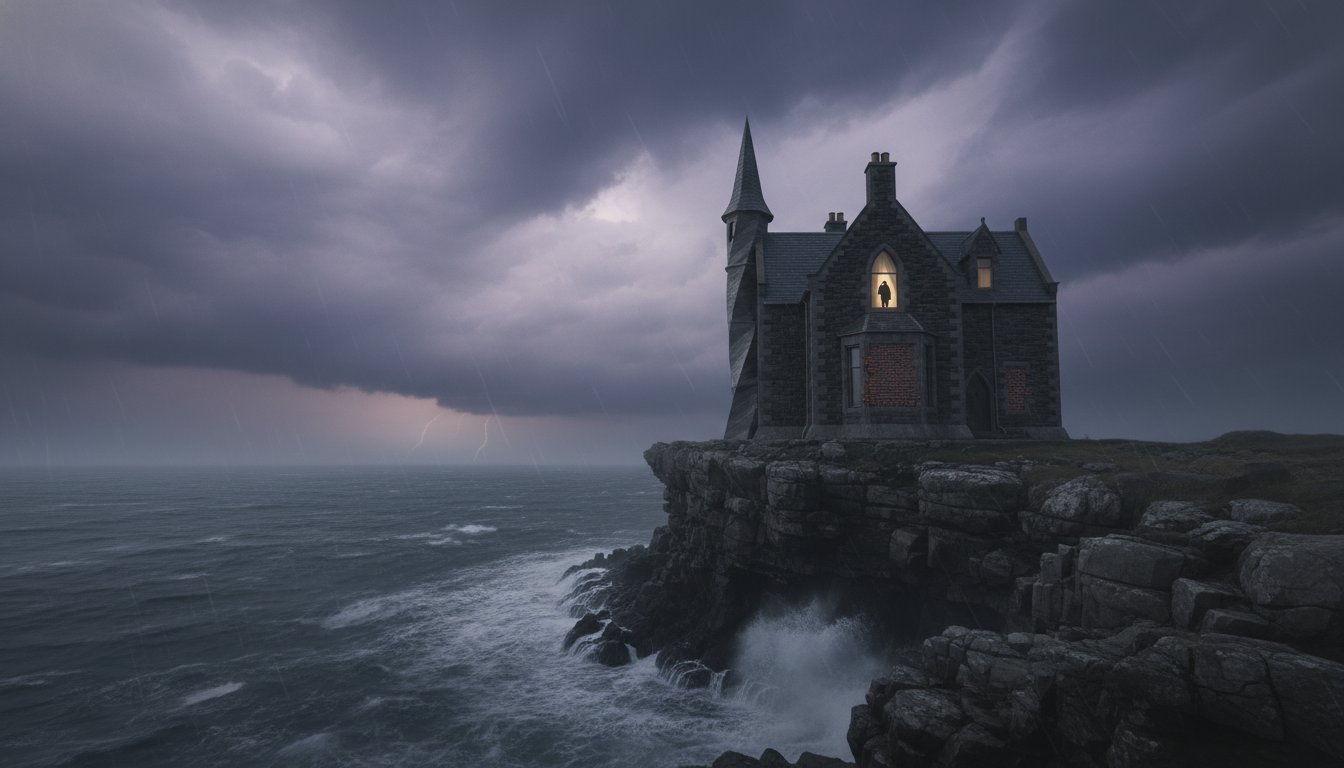
A twist ending is a structural failure if it relies on cheap shock rather than the meticulous architecture of dread. You've likely felt the frustration of a generic conclusion that breaks the internal logic of a story just to surprise you, leaving the narrative feeling hollow and unearned. Finding high-quality psychological thrillers with a supernatural twist requires looking beyond the surface of modern marketing to find authors who understand that the unexplained must be anchored in the human psyche. It's about the deliberate process of building tension until the logic of the world can no longer hold.
This article explores how strategic atmospheric depth creates a uniquely unsettling reading experience, moving beyond mere jump scares to something more profound. You'll gain expert insights into the mechanics of suspense and discover sophisticated recommendations, including Graham Mulvein's The House. Drawing from a professional history that includes serving as the Stage Manager for the 1978 West End transfer of The Rocky Horror Show, we'll examine how horror transitions from a slow burn into terror with teeth. We're analyzing the precise framework required to balance logic with the supernatural before the May 25, 2026, release of the novel PREY.
Key Takeaways
- Analyze the structural transition from psychological realism to the "Modern Gothic" tradition, where narrative ambiguity serves as the primary engine for sustained dread.
- Identify the critical "pivot point" in suspense fiction where internal psychological trauma manifests as an external threat, fundamentally altering the reader’s perception of reality.
- Discover a curated list of 2026's most essential psychological thrillers with a supernatural twist, focusing on titles that prioritize atmospheric precision and intellectual depth.
- Understand how professional "stage management" and theatrical pacing—drawing on Graham Mulvein’s history with the 1978 West End transfer of The Rocky Horror Show—influence the architecture of literary tension.
- Examine the meticulous design of Graham Mulvein’s The House and preview the upcoming release of PREY, a slow-burn narrative arriving May 25, 2026, that promises existential terror "with teeth."
The Intersection of Mind and Myth: Defining the Supernatural Psychological Thriller
Defining the hybrid genre requires a focus on structural integrity and narrative logic. Most psychological thrillers with a supernatural twist operate by anchoring the reader in a meticulously crafted reality before systematically dismantling it. This isn't about cheap jump scares or standard tropes. It's about a narrative that maintains psychological realism while introducing otherworldly elements that challenge the protagonist's perception. By the start of 2026, the literary market has seen a distinct shift toward these complex structures. Readers now prioritize stories that explore the fragility of the human mind when confronted with the impossible.
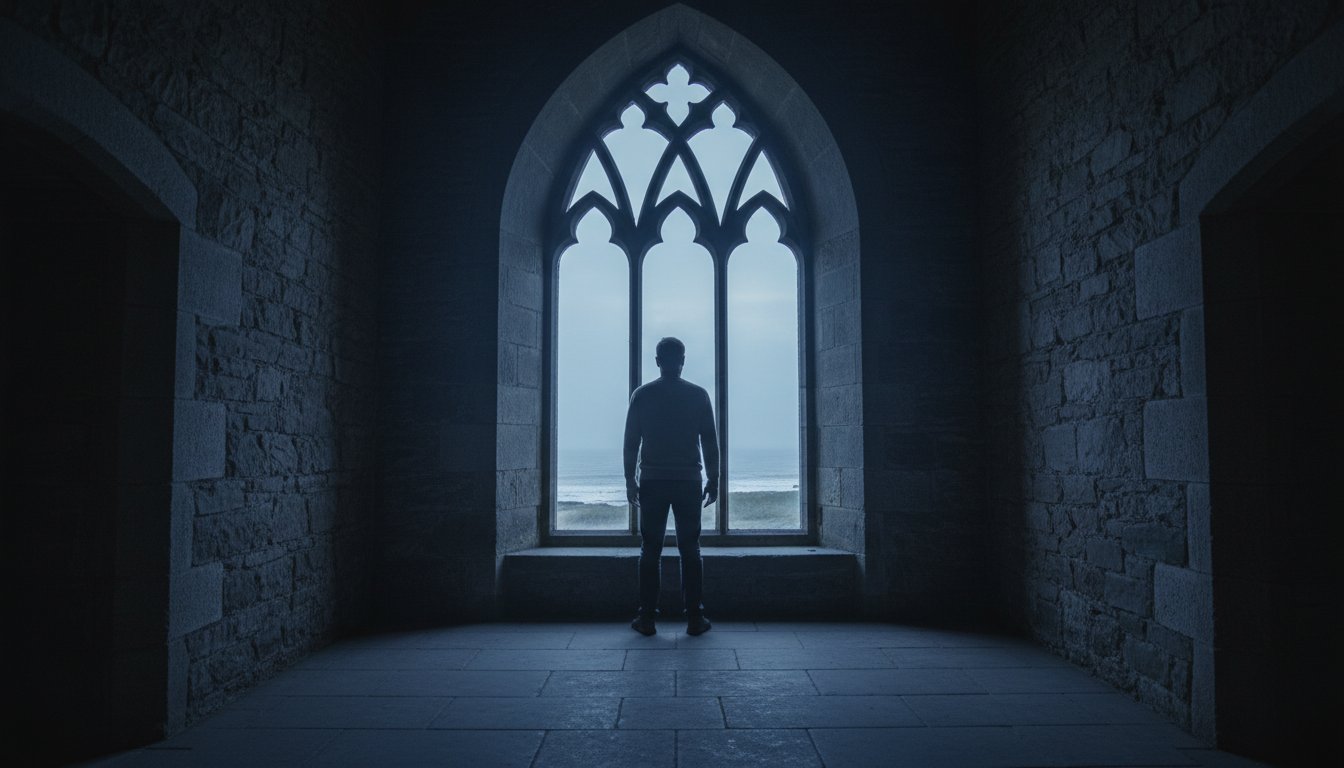
The core of this genre lies in its refusal to offer easy answers. Unlike traditional police procedurals, these stories embrace the psychological horror tradition where the primary antagonist is often the character's own fracturing psyche. This creates a sustained tension that bridges the gap between the mundane and the macabre. The atmosphere acts as the connective tissue, ensuring that the transition from a domestic setting to an existential nightmare feels earned rather than forced. It's a method of storytelling that values the slow reveal over the immediate shock.
To better understand this concept, watch this helpful video:
The Psychology of the Unexplained
The human brain is hardwired for logic and pattern recognition. When we encounter a situation that defies rational explanation, the resulting cognitive dissonance creates a specific type of dread. This is the foundation of das Unheimliche, or the uncanny. In psychological thrillers with a supernatural twist, writers use domestic settings to heighten this effect. A familiar house becomes a source of terror because something about it is slightly "off." This unsettling undertone ensures reader engagement remains high. It transforms a simple plot into a study of mental endurance and systemic collapse.
Modern Gothic vs. Traditional Horror
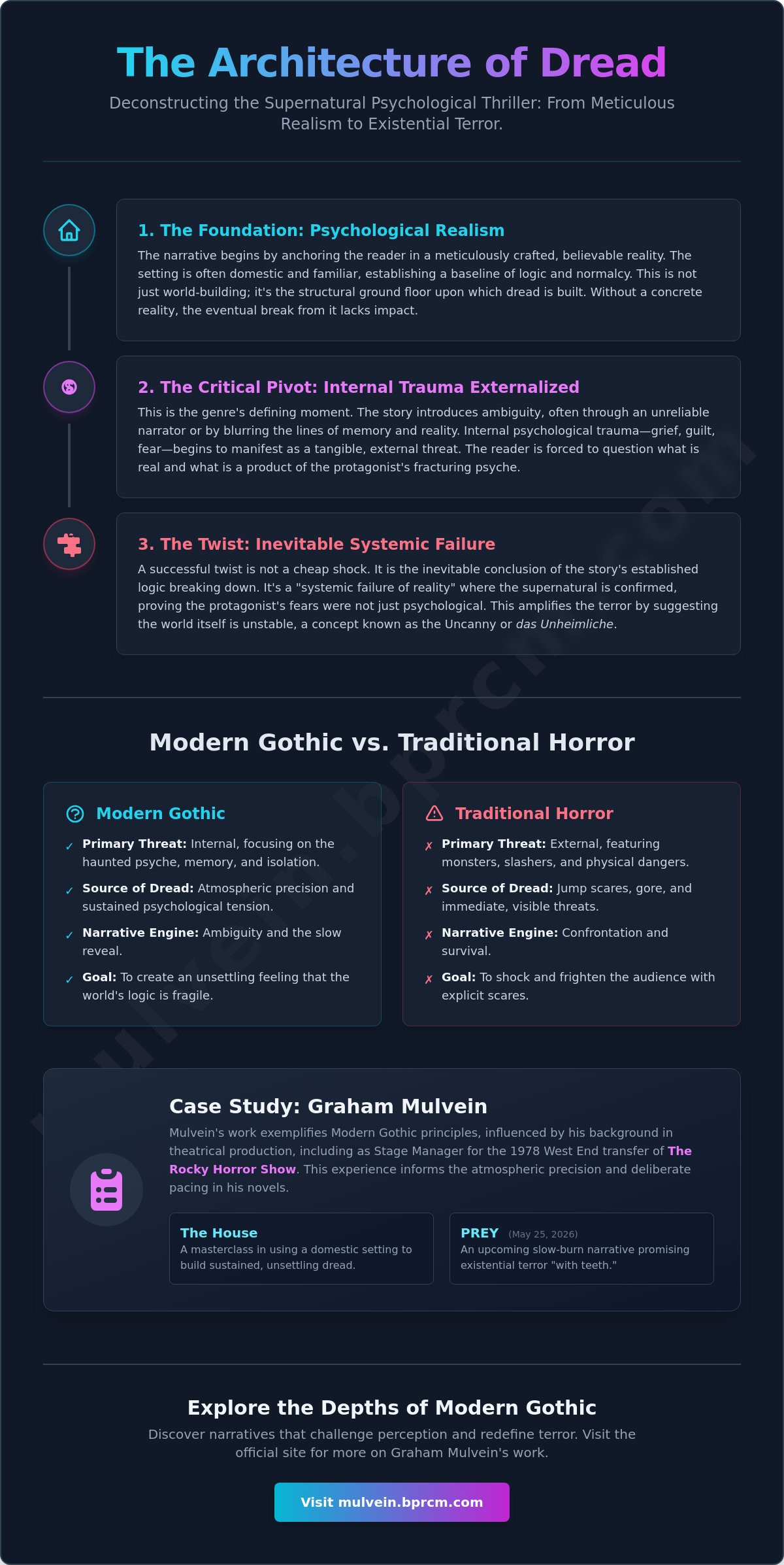
Traditional horror often relies on external monsters and physical threats. Modern Gothic, however, focuses on isolation, memory, and the haunted psyche. The twist in these stories must feel like an inevitable systemic failure of reality. My experience as the Stage Manager for the 1978 West End transfer of The Rocky Horror Show taught me the importance of atmospheric precision in building tension. This same focus on atmosphere is central to Graham Mulvein's The House. My upcoming novel, PREY, scheduled for release on May 25, 2026, follows this trajectory. It's a slow-burn atmospheric horror that eventually reveals itself as a terror with teeth, proving that the most effective scares are those that threaten both the body and the mind.
The Mechanics of the Twist: Why the Unexplained Amplifies Terror
The efficacy of psychological thrillers with a supernatural twist depends on a rigorous structural framework. It begins with the unreliable narrator, a mechanism that destabilizes the reader's perception of truth. This isn't a mere stylistic choice; it's a strategic deployment of cognitive dissonance. For the supernatural disruption to hold weight, the author must establish a baseline of absolute factual precision. In my own experience as the Stage Manager for the 1978 West End transfer of The Rocky Horror Show, I saw how the most effective illusions require a foundation of technical mastery. Without a concrete reality to push against, the eventual pivot point where psychological trauma manifests as a physical threat lacks the necessary impact.
A successful narrative requires a methodical transition where internal anxieties slowly calcify into external terrors. This process demands attention to detail in the following areas:
- Structural Integrity: The setting must feel grounded in reality before the first anomaly occurs.
- Cognitive Layering: The protagonist’s mental state should provide a plausible, yet eventually insufficient, explanation for strange events.
- The Pivot Point: A specific moment where the "rational" explanation fails, forcing the reader to confront an impossible truth.
The Slow-Burn Escalation
Dread isn't immediate. It's a methodical process that transitions from internal anxiety to external terror through calculated pacing. This escalation must feel earned. In my upcoming novel, PREY, scheduled for publication on May 25, 2026, the horror evolves into something "with teeth." This phrase describes the moment when the protagonist’s existential fear ceases to be a mental construct and becomes a physical predator. It's the point where the threat becomes physically and existentially unavoidable, leaving the characters with no psychological retreat.
Ambiguity as a Narrative Strategy
The unexplained is often more terrifying than a fully realized monster. When a narrative leaves the source of dread obscured, it forces the reader to fill the gaps with their own worst impulses. Memory and isolation act as catalysts here, blurring the lines between a fractured psyche and a haunting. You can find excellent examples of this in various thrillers and mysteries with supernatural elements that prioritize atmosphere over easy answers. This approach is central to Graham Mulvein's The House, where the architecture of the setting reflects the structural decay of the mind. To understand the mechanics of this dread further, explore the upcoming releases at the Mulvein book collection.
Essential Reading: Literary Psychological Thrillers with a Supernatural Twist
The construction of effective psychological thrillers with a supernatural twist requires a methodical approach to narrative tension. It's not enough to rely on spectral appearances; the architecture of the story must support a systematic breakdown of the protagonist's reality. In 2026, the most impactful titles treat dread as a structural component rather than a decorative one. These works prioritize character depth and atmospheric precision over cheap, jump-scare tactics. They function like a well-oiled machine, where every gear turn increases the pressure on the reader's psyche.
The Architects of Modern Dread
Mastering the transition from a slow-burn psychological study to visceral physical terror is a rare skill. It requires a strategic understanding of how setting functions as an active participant in the plot. Authors in this space don't just describe a room; they build a prison of the mind. This process is evident in The Rise of Indie Horror Authors, where the focus has shifted toward high-stakes, internalised conflict. To truly grasp the mechanics of the genre, one should examine how Supernatural psychological thrillers integrate the paranormal as a mirror for the protagonist's trauma. A benchmark for this methodology is Graham Mulvein's The House, which remains a study in how environment can dictate the collapse of logic. These architects understand that the most terrifying system is one that refuses to follow its own rules.
Female-Led Supernatural Thrillers
The contemporary "Female Gothic" tradition uses the supernatural to analyze domestic and societal entrapment. These narratives often use a haunting to diagnose a breakdown in the family structure or the weight of unaddressed history. In 2025 and 2026, several titles have refined this approach. The Glass Nursery (expected late 2025) examines the claustrophobia of new motherhood through a lens of ancestral debt. Similarly, Echo of the Hearth (2026) uses a shifting floor plan to represent the erasure of identity within a marriage. These stories are precise; they don't just frighten, they audit the human condition. They demonstrate that psychological thrillers with a supernatural twist are at their most potent when the ghost is a symptom of a larger, systemic failure.
The upcoming release of Graham Mulvein's PREY on May 25, 2026, serves as a definitive benchmark for this genre escalation. It's designed as a slow-burn atmospheric horror that transitions into physical and existential terror; it's a narrative with teeth. This shift from the cerebral to the visceral represents the peak of modern literary dread, where the psychological foundation finally gives way to something far more predatory.
From Stage to Page: The Influence of Atmospheric Production
The transition from the physical stage to the written word requires a systemic understanding of how an audience perceives space and time. Graham Mulvein's background as the Stage Manager for the 1978 West End transfer of The Rocky Horror Show serves as the foundation for this architectural approach to dread. In theater, every movement is a calculated variable; on the page, this translates to narrative pacing that mirrors a controlled production. Effective psychological thrillers with a supernatural twist rely on this stage management to ensure the reader's focus remains exactly where the author intends, preventing the tension from dissipating through poor structure.
The 'World of Horrors' series utilizes this production-level detail to build immersion that feels tangible. It isn't enough to describe a haunting; one must manage the environment like a set designer. The 'Before the Rooms Woke' project functions as a digital extension of this philosophy, proving that storytelling is a multi-dimensional process. When a narrative is treated as a series of interconnected systems, the supernatural elements become far more terrifying because they disrupt a seemingly logical world.
The Precision of the Setting
Grounding the supernatural requires an uncompromising commitment to factual integrity. Historical accuracy and the use of correct nomenclature, such as Graham Mulvein's The House, provide the structural stability needed for the uncanny to take root. A controlled, intelligent voice maintains tension within confined settings by eliminating the noise of unnecessary exposition. Graham Mulvein's 1978 West End experience informs a sense of timing where every revelation occurs at the precise moment required to maximize psychological impact.
Creative Consulting in Dark Fiction
The role of a narrative development consultant is to bridge the gap between creative vision and operational execution. By applying a rigorous storytelling strategy, content makers can master the mechanics of psychological tension through process-driven frameworks. This methodology moved from individual consulting into the broader 'World of Horrors' initiative, a series that uses production-level detail to build immersion. These principles are vital when crafting psychological thrillers with a supernatural twist, as they ensure the narrative remains scalable and impactful.
This systematic approach to atmospheric horror culminates in upcoming works like PREY, scheduled for publication on May 25, 2026. It's designed as a slow-burn experience that transitions from existential unease into a story with teeth. By treating the manuscript as a managed environment, the author ensures that the terror is not just felt, but sustained through logical progression.
Discover the methodology behind structured narrative tension by visiting the Mulvein about page.
Graham Mulvein's The House and the Arrival of PREY
The mastery of psychological thrillers with a supernatural twist requires more than just a sequence of jump scares; it demands a structural understanding of how dread occupies a space. Graham Mulvein brings a unique, methodical precision to this genre, likely informed by his background as the Stage Manager for the 1978 West End transfer of The Rocky Horror Show. This professional history with theatrical tension translates into a literary style where every shadow is deliberate and every silence is measured. For readers who demand intelligence over tropes, Mulvein's work offers a calculated descent into the unknown.
Analysing Graham Mulvein's The House
In Graham Mulvein's The House, the setting isn't a passive backdrop. It functions as a sentient, psychological entity that interacts with the protagonist's fraying sanity. The narrative explores how isolation acts as a corrosive agent on memory, forcing characters to confront the structural integrity of their own pasts. The house becomes a physical manifestation of trauma, where the supernatural elements aren't external intruders but are woven into the very floorboards and foundations. This novel stands as a modern gothic masterpiece because it treats horror as a process of inevitability. Readers looking to explore this meticulous architecture of fear can find acquisition options on the Books page.
Anticipating PREY: May 25, 2026
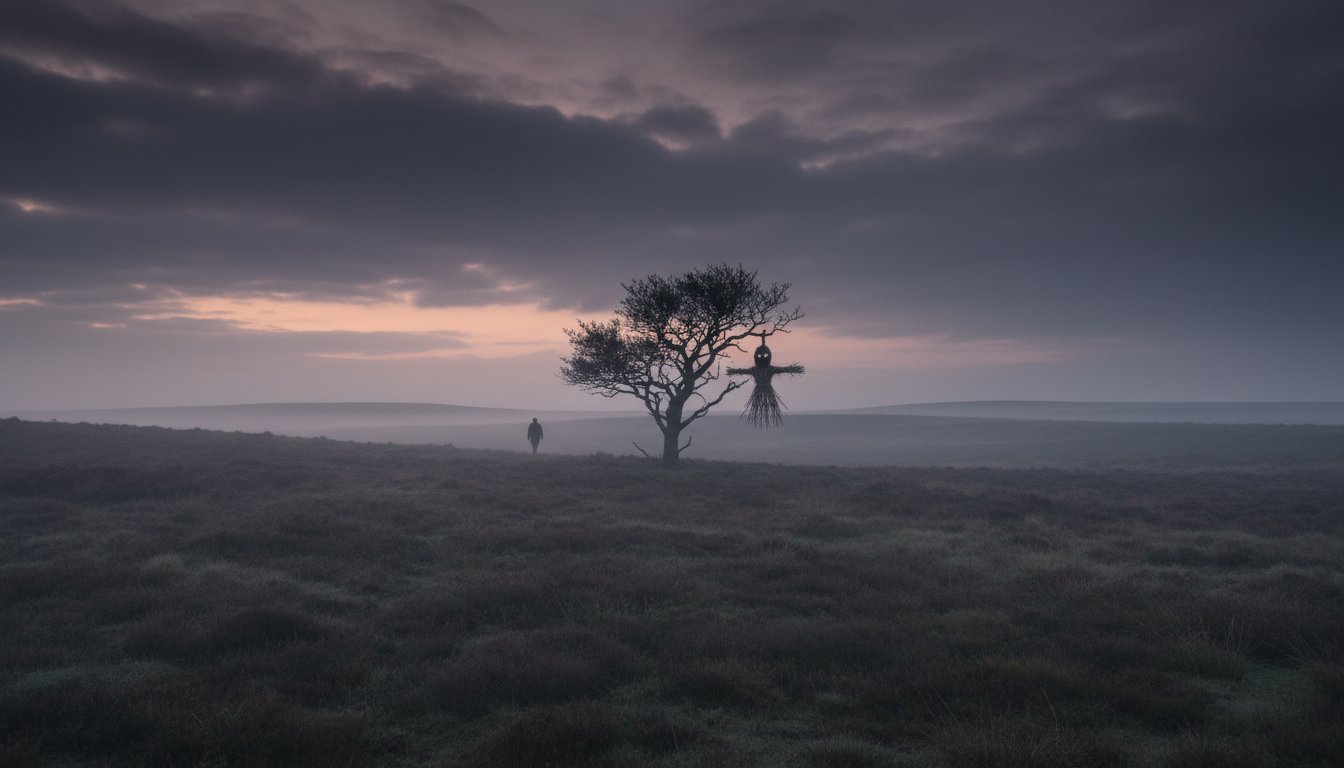
The upcoming publication of PREY on May 25, 2026, marks an evolution in the genre of psychological thrillers with a supernatural twist. While Graham Mulvein's The House established a foundation of atmospheric dread, PREY introduces a sharper, more aggressive trajectory. The narrative arc begins as a slow-burn exploration of existential terror, focusing on the minute fractures in a character's reality. However, this atmospheric tension eventually gives way to a physical escalation that Mulvein describes as terror "with teeth." This phrase signals a departure from purely cerebral unease into a visceral, high-stakes confrontation.
- Existential Terror: The story dismantles the protagonist's sense of self through precise, psychological manipulation.
- Physical Escalation: The transition from atmospheric dread to tangible threat is handled with the clinical efficiency of a strategist.
- Release Date: Mark May 25, 2026, as the arrival of a new standard in intelligent horror.
PREY is designed for the reader who values a methodical build-up that rewards patience with an uncompromising climax. It represents a logical conclusion for those seeking horror that's both intellectually stimulating and genuinely threatening. To stay informed about the release or to discuss potential creative collaboration, you may contact Graham Mulvein directly through his official portal. The wait until 2026 ensures a level of refinement rarely seen in contemporary genre fiction.
Mastering the Architecture of Unseen Terror
Effective storytelling isn't an accident; it's a calculated arrangement of psychological pressure points. The structural integrity of psychological thrillers with a supernatural twist depends on more than mere jump scares. It requires a methodical layering of isolation and memory. This craft draws heavily from the rigors of atmospheric production, a discipline Graham Mulvein mastered as Stage Manager for the 1978 West End transfer of The Rocky Horror Show. When the unexplained intersects with the human psyche, the resulting dread becomes a logical progression of a mind under siege. You've seen how the 'Before the Rooms Woke' project establishes this foundation through immersive design. Now, the focus shifts toward the May 25, 2026, release of PREY. This narrative promises a calculated transition from slow-burn atmospheric horror into a physical and existential terror that arrives with teeth. Precision in these narratives ensures that every shadow serves a structural purpose. Explore the dark edges of memory and isolation in Graham Mulvein's The House. You're ready to face the shadows that wait just beyond the door.
Frequently Asked Questions
What defines a psychological thriller with a supernatural twist?
Psychological thrillers with a supernatural twist blend internal mental instability with external, inexplicable phenomena that defy natural laws. These narratives prioritize the protagonist's fragile psyche while introducing elements like hauntings or precognition that aren't easily dismissed as delusions. The tension arises from the uncertainty of whether the threat is a product of the mind or a genuine breach of reality.
Is Graham Mulvein's The House considered a gothic novel?
Graham Mulvein's The House functions as a contemporary gothic work by utilizing traditional tropes like isolation and ancestral weight within a modern framework. It adheres to the gothic tradition through its focus on a sentient architecture that reflects the character's internal trauma. The narrative ensures the setting acts as a primary antagonist rather than a mere backdrop for the plot.
How does the supernatural element enhance a psychological thriller?
Supernatural elements amplify psychological thrillers with a supernatural twist by stripping away the safety of logic and forcing characters to face existential dread. When a story introduces the paranormal, it challenges the protagonist's perception of reality and makes their mental isolation more acute. This combination creates a unique architecture of dread where the stakes aren't just physical survival but the preservation of one's sanity.
When is Graham Mulvein's new book PREY being released?
Graham Mulvein's new novel, PREY, is scheduled for publication on May 25, 2026. The book follows a slow-burn trajectory, starting as atmospheric horror and escalating into a confrontation that is described as being "with teeth." It explores physical and existential terror through a meticulously structured narrative that rewards patient readers.
What is the 'Before the Rooms Woke' initiative?
The 'Before the Rooms Woke' initiative is a strategic creative framework designed to explore the origins of sentient spaces in Graham Mulvein's literary universe. It provides a structured look at the history of haunted architecture before the events of the primary novels. This initiative ensures that the world-building remains rigorous and logically consistent across multiple titles in the series.
Can a psychological thriller have a supernatural twist without being a horror novel?
A psychological thriller can incorporate a supernatural twist without descending into pure horror by maintaining its primary focus on mystery and character motivation. While horror seeks to elicit visceral fear, a thriller uses the paranormal as a tool to heighten suspense and complicate the plot's resolution. The distinction lies in the narrative's objective, which remains the unraveling of a complex psychological puzzle.
What was Graham Mulvein's role in The Rocky Horror Show?
Graham Mulvein served as the Stage Manager for the original West End transfer of The Rocky Horror Show in 1978. This role required precise operational management and a deep understanding of theatrical structure during the production's move to the Comedy Theatre. His experience in this high-pressure environment informs the disciplined and atmospheric approach found in his current literary projects.
How do authors build 'atmospheric suspense' in their writing?
Authors build atmospheric suspense through the methodical application of sensory details and the strategic restriction of information. They use 3 to 5 specific environmental cues to ground the reader in a setting that feels increasingly hostile. This process requires a logical progression from subtle unease to overt tension, ensuring the dread feels earned through a structured and deliberate pace.