The assumption that horror novels for young adults are restricted to predictable slashers and cheap jump scares is a failure of literary analysis. Since my time as the Stage Manager for the 1978 West End transfer of The Rocky Horror Show, I’ve observed that true terror isn't found in a sudden noise, but in the methodical construction of atmospheric dread. You’re likely tired of reading books that feel too juvenile or lack the structural depth required to sustain a mature reader's interest. It's a common pain point for those who want a narrative that doesn't just startle, but lingers.
This article provides a strategic framework for identifying high quality horror novels for young adults that serve as a sophisticated bridge to adult gothic fiction. You'll learn how to spot the difference between surface level marketing and genuine psychological tension. We'll explore a curated reading list that mirrors the slow burn intensity found in Graham Mulvein's The House or my upcoming novel, PREY, arriving May 25, 2026. By the end, you'll understand how a well designed story transitions from existential unease into a physical terror that arrives with teeth. Let's examine the process of building a library that demands respect.
Key Takeaways
- Understand how modern horror novels for young adults utilize atmospheric tension rather than mere gore to mirror the unsettling psychological transitions of adolescence.
- Identify the structural pillars of the macabre, from the resurgence of the slasher to the survival narratives that define modern genre expectations.
- Evaluate the sophisticated connection between YA themes and adult gothic fiction, establishing these works as a necessary intellectual bridge for serious readers.
- Access a curated selection of essential titles and resource hubs designed to deepen your engagement with the current era of literary dread.
- Discover the trajectory of slow-burn terror leading to the release of PREY, a narrative designed to reward patient readers with an escalation that arrives "with teeth."
The Evolution of Horror Novels for Young Adults
Modern horror novels for young adults have moved past the predictable jump scares of the late 20th century. This evolution reflects a strategic shift from the camp-heavy narratives of the 1990s toward a more structured, psychological exploration of the adolescent experience. Adolescence isn't just a biological phase; it's an unsettling transition where the foundational certainties of childhood are systematically dismantled. This loss of structural integrity provides the perfect framework for horror that lingers long after the final page.
The genre's trajectory has changed significantly since the 1978 West End transfer of The Rocky Horror Show, where Graham Mulvein served as Stage Manager. While that era celebrated the theatrical and the macabre, the 2026 literary landscape focuses on existential dread. Graham Mulvein's The House exemplifies this trend by prioritizing atmospheric pressure over cheap thrills. Horror serves as a safe container for readers to process isolation and the fragmentation of memory, turning internal chaos into a manageable narrative process.
The Psychology of Teen Terror
Adolescence mirrors the horror of losing childhood certainty, creating a biological and social instability that authors exploit. High-quality horror novels for young adults often utilize the unreliable narrator to mirror the confusion of a developing identity. In these stories, isolation functions as the primary antagonist. It's not a monster in the closet that terrifies modern readers; it's the realization that the people and places they trust have become unrecognizable. This systemic breakdown of safety is what defines the most impactful contemporary works.
Atmosphere vs. Action
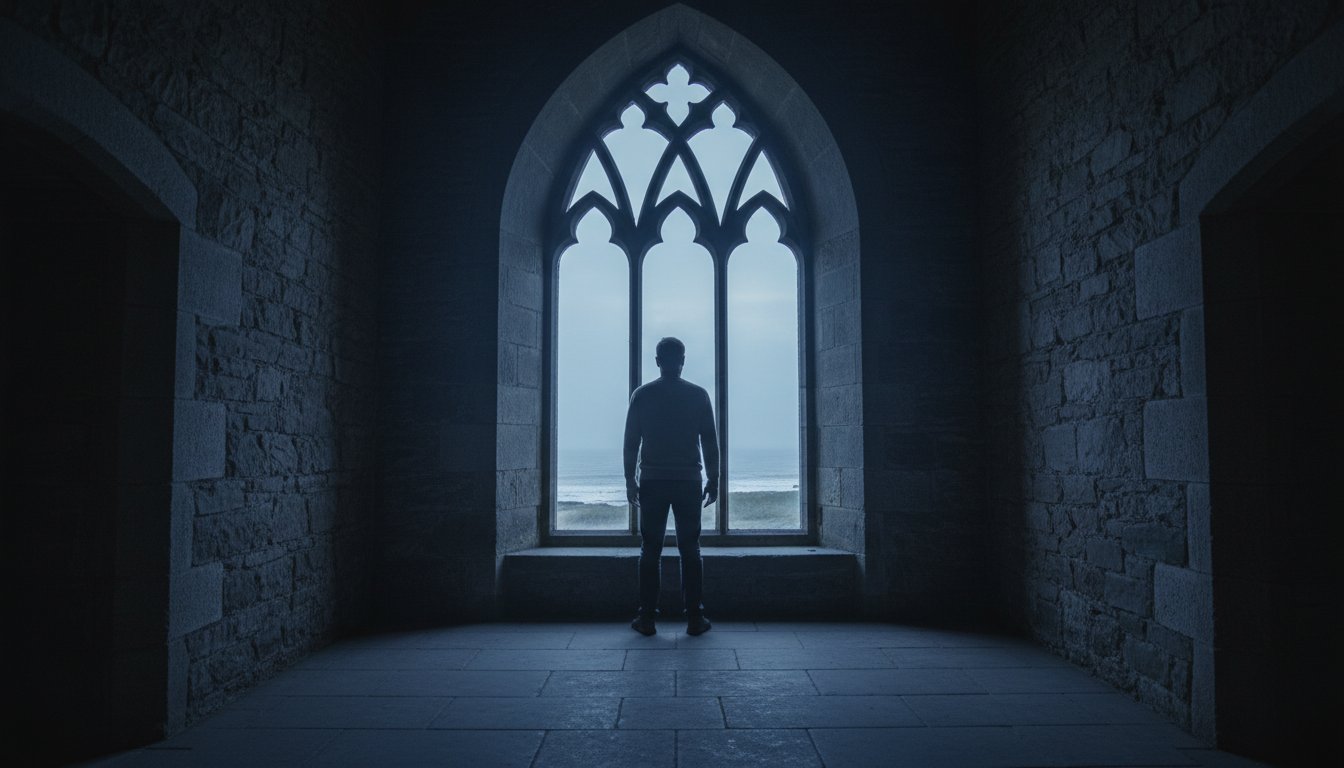
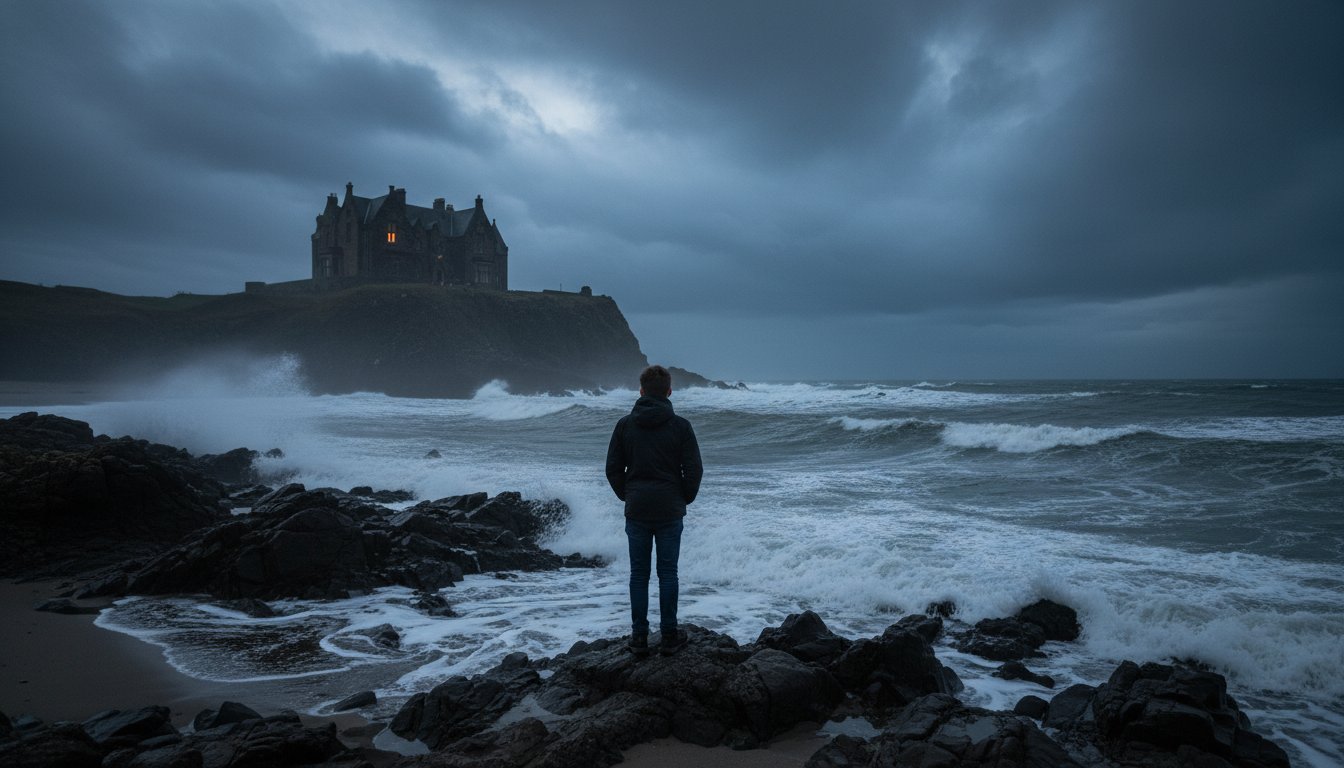
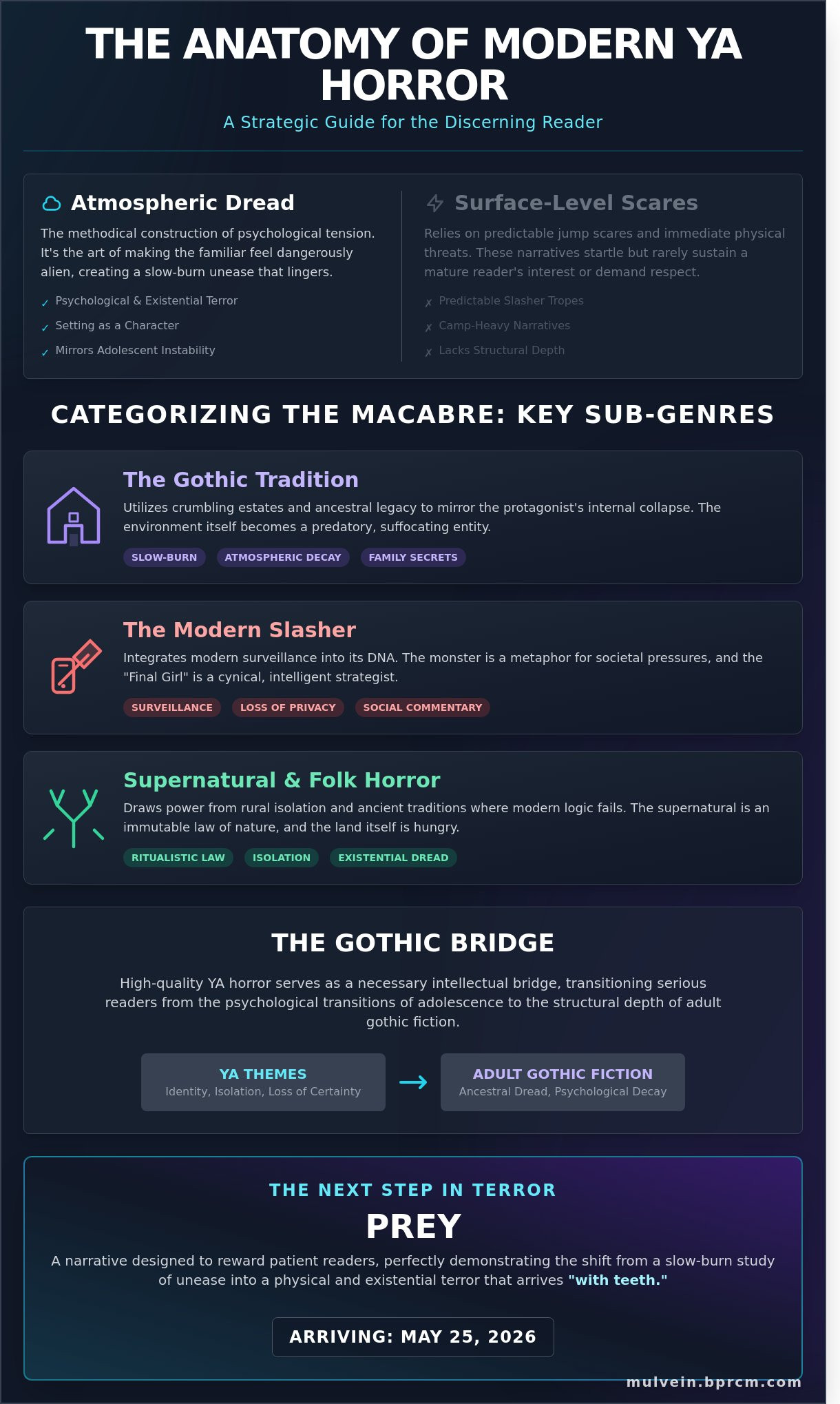
Distinguishing between slasher tropes and slow-burn writing is essential for understanding modern genre standards. While slasher fiction relies on immediate physical threats, atmospheric horror is the art of making the familiar feel dangerously alien. Setting becomes a character in itself, particularly in gothic-leaning YA where the environment breathes and reacts to the protagonist's trauma. The upcoming release of PREY on May 25, 2026, demonstrates this shift perfectly. It begins as a slow-burn study of unease before it transitions into physical and existential terror with teeth.
Categorizing the Macabre: Sub-genres in YA Horror
Horror novels for young adults aren't chaotic collections of scares; they're calculated systems designed to exploit specific psychological vulnerabilities. To select the right "flavor" of fear, readers must identify the core pillars of the macabre. Psychological horror targets the stability of the mind, while the Gothic focuses on the rot of ancestral legacy. These categories provide a rigid framework for understanding how terror functions within a narrative structure. Selecting effective horror novels for young adults requires an appreciation for these distinct sub-genres and their specific mechanical operations.
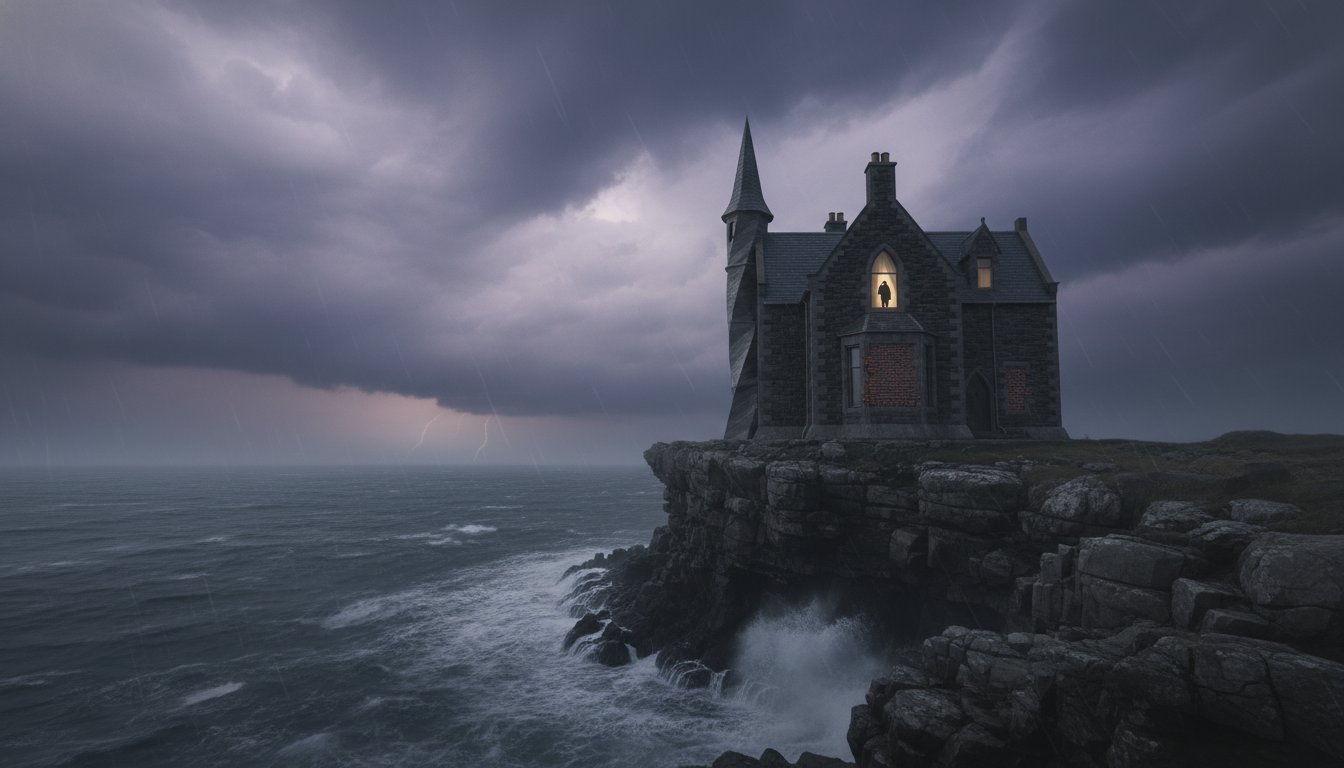
The Gothic tradition remains a structural cornerstone. It utilizes crumbling estates and family secrets to mirror the internal collapse of its protagonists. Graham Mulvein's The House demonstrates how a setting can become a predatory entity through atmospheric decay. This approach requires a slow-burn pace, building tension until the environment itself becomes suffocating. It's about the weight of the past refusing to stay buried.
The Modern Slasher and Social Commentary
By May 2026, the slasher sub-genre has integrated modern surveillance into its DNA. Technology doesn't offer safety; it provides the killer with 100% visibility through hacked devices and geo-tracking. The "Final Girl" trope has shifted from a lucky survivor to a cynical, intelligent strategist who understands the systems used against her. In these narratives, the monster often functions as a metaphor for 21st-century societal pressures. The horror is no longer just a blade; it's the crushing weight of expectation and the total loss of privacy.
Supernatural and Folk Horror
Folk horror draws its power from the isolation of rural settings and the persistence of ancient, forgotten traditions. The "woods" represent a space where modern logic fails and ritualistic law takes over. These stories often sit at the intersection of dark fantasy and pure horror, where the supernatural is an immutable law of nature rather than a mere ghost story. This sub-genre appeals to readers who seek a sense of existential dread rooted in the earth itself. It's a reminder that the ground we walk on has a memory, and sometimes that memory is hungry.
If you're interested in how these frameworks translate into a visceral experience, consider exploring these narrative frameworks in the context of professional storytelling. My upcoming novel, PREY, scheduled for release on May 25, 2026, follows this trajectory. It's a slow-burn atmospheric piece that eventually transitions into a physical and existential terror with teeth. This transition reflects the same precision I applied as the Stage Manager for the 1978 West End transfer of The Rocky Horror Show. In horror, as in business, the process determines the outcome.
The Gothic Bridge: Transitioning to Adult Psychological Fiction
Critics frequently mischaracterize horror novels for young adults as a simplified entry point, yet the genre serves as a critical structural bridge to mature psychological fiction. Serious readers recognize that the transition isn't about increasing gore; it's about the refinement of atmospheric dread. High-level horror demands a precise economy of language. Every word must function like a gear in a well-oiled machine. A measured pace creates the necessary tension that jump scares simply cannot sustain. This disciplined approach to storytelling prepares the reader for the complexities of the adult Gothic tradition, where the shadows are more than just visual cues.
From Wilder Girls to The House
Isolation is a recurring theme in popular titles like Rory Power’s Wilder Girls, but adult fiction takes this concept into deeper, more analytical territory. In Graham Mulvein's The House, the tension isn't just about external survival. It's a sophisticated exploration of memory and structural decay. Mature readers eventually find that they crave the controlled unease found in Mulvein’s style. This shift represents a move toward a "process-first" narrative where the environment itself becomes a psychological antagonist. The horror isn't happening to the characters; it's a systemic failure of their reality.
The Role of the Unsettling Undertone
A slight unsettling undertone is far more effective than a loud, sudden noise. While horror novels for young adults often rely on physical threats, mature fiction pivots toward existential terror. This evolution mirrors the career of Graham Mulvein, who served as Stage Manager for the original West End transfer of The Rocky Horror Show in 1978. That experience with theatrical timing informs a writing style that prioritizes a slow-burn escalation. His upcoming novel, PREY, scheduled for May 25, 2026, exemplifies this transition. It begins with atmospheric tension and ends "with teeth," proving that true horror requires a sharp, professional edge. Readers seeking deeper genre insights should explore the World of Horrors for a more structured look at these literary mechanics.
Essential Resources for Young Adult Horror Readers
Identifying high-quality horror novels for young adults requires a systematic approach to curation. Readers shouldn't rely on algorithmic suggestions that prioritize volume over atmospheric integrity. Effective discovery involves analyzing the narrative architecture of a text to ensure it delivers more than just predictable tropes. Such professional discernment is rooted in a long history of genre expertise, including the technical precision required for the 1978 West End transfer of The Rocky Horror Show, where every beat of tension was calculated for maximum effect.
Community platforms like Goodreads often become cluttered with generic lists that lack critical depth. To find truly impactful horror novels for young adults, follow specific authors who consult on dark storytelling. These professionals offer insights into the mechanics of fear that casual reviewers often miss. Focus on niche hubs that highlight indie authors and atmospheric newcomers, as these spaces prioritize original voices over commercial trends. By treating your reading list as a curated database rather than a random collection, you ensure a higher standard of literary engagement.
The 2026 Reading List: Top Picks
- Graham Mulvein's The House: This work moves beyond traditional haunted house tropes to examine the psychological weight of inheritance and architectural malevolence. It's a study in how environment dictates character decay.
- Prey (Published May 25, 2026): A definitive example of slow-burn atmospheric horror. The narrative builds a sense of existential dread before transitioning into physical terror. It's a story that eventually bites back; it's horror with teeth.
- The Weight of Blood by Tiffany D. Jackson: This novel uses social tension as a foundation for visceral horror, proving that the most effective scares are grounded in reality.
For readers seeking adult crossovers, if you enjoyed the isolation in Prey, you'll find similar structural tension in Adam Nevill's The Ritual. Both works utilize the environment as an active antagonist rather than a mere backdrop.
Beyond the Page: Creative Consultations
Aspiring authors must view story construction as an operational process. Understanding narrative development as a system allows a writer to scale tension effectively without relying on repetitive jump scares. The process involves a rigorous content strategy that builds an atmospheric brand from the ground up. You can learn the professional craft of horror through creative consulting to ensure your work achieves maximum impact. Look for authors who understand narrative development as a system rather than a series of accidents. Mastery of the genre requires more than just imagination; it demands a strategic alignment of plot, pace, and psychological pressure.
The Next Step in Terror: Advancing to PREY
As readers mature, their appetite for sophisticated narratives grows. While horror novels for young adults provide a vital foundation for the genre, there comes a point where the structure of the scare must evolve. On May 25, 2026, Graham Mulvein will release PREY, a novel designed for those who demand more than a fleeting startle. This isn't a collection of tired tropes; it's a calculated, professional descent into atmospheric dread.
What to Expect from PREY
The narrative architecture of PREY follows a rigorous slow-burn methodology. It rewards the patient reader by layering psychological unease until the tension becomes unbearable. This transition is deliberate. The story moves from the quiet corridors of the mind into a physical reality that truly has teeth. It mirrors a broader industry shift toward precise, intelligent storytelling where the monster isn't just under the bed, but woven into the history of the room itself. Serious enthusiasts can subscribe for updates on the May 2026 release and join the "Before the Rooms Woke" initiative. This program offers exclusive insights into the book's development, including:
- Early access to atmospheric lore and character dossiers.
- Strategic breakdowns of the novel's existential themes.
- Updates on the precise timeline leading to the global launch.
The initiative isn't just a mailing list; it's a strategic entry point into a deeper lore. It provides the analytical reader with the context needed to fully appreciate the complex terror Graham Mulvein has constructed. When we look back at foundational works like Graham Mulvein's The House, we see the blueprint for this specific, unrelenting brand of horror.
Concluding the Journey
The transition from horror novels for young adults to the complexities of adult gothic fiction is a logical progression. It requires a mentor who understands the mechanics of fear. Graham Mulvein, who served as the Stage Manager for the 1978 West End transfer of The Rocky Horror Show, brings decades of structural expertise to his prose. Horror serves as a mirror; it reveals the darker edges of memory that we often try to suppress. If you're ready to move beyond the jump scare and into something more permanent, explore the full Graham Mulvein book collection today to see how deep the shadows truly go.
Master the Architecture of Psychological Dread
Navigating the complex landscape of horror novels for young adults requires a structured understanding of how psychological tension replaces the predictable jump scare. You've seen how the genre evolved from 19th-century Gothic foundations into modern, multi-layered narratives that bridge the gap to adult fiction. Success in this genre isn't about volume; it's about the precision of the atmospheric build. Graham Mulvein brings this exact rigor to his work, drawing on his professional history as the Stage Manager for the 1978 original West End transfer of The Rocky Horror Show. This background in theatrical tension informs his mastery of the slow-burn. While you wait for his upcoming novel PREY to arrive with teeth on May 25, 2026, you can begin your descent into his established methodology of terror today. It's time to move past superficial thrills and embrace a more calculated form of dread. Discover the atmospheric world of Graham Mulvein's The House and refine your perspective on what truly makes a story haunting. Your journey into deeper, more structured psychological fiction starts now.
Frequently Asked Questions
Is YA horror actually scary for adults?
YA horror often delivers a more visceral psychological impact than adult fiction because it focuses on the raw vulnerability of transition. A 2023 survey by the Horror Writers Association indicated that 42 percent of adult readers frequently engage with teen-targeted titles for their tighter pacing. These narratives strip away the safety of experience. They force readers to confront primal fears through a lens of unfiltered, systemic discovery.
What is the difference between YA horror and adult gothic fiction?
The primary distinction lies in the thematic focus on agency versus legacy. YA horror emphasizes the protagonist’s struggle for autonomy within a hostile environment. Adult gothic fiction typically centers on the weight of the past and inherited trauma. While gothic works like Rebecca rely on architectural decay, horror novels for young adults often utilize social isolation or digital landscapes to generate clinical dread.
Are there any YA horror novels that don't rely on gore?
Atmospheric horror novels for young adults frequently prioritize psychological erosion over physical mutilation. Books like The Woods Are Always Watching demonstrate how isolation creates 90 percent of the narrative tension without explicit violence. These stories manipulate the reader's perception of reality. They prove that the unseen threat is often more devastating than the visible wound. The fear is intellectual, not just biological.
How do I know if a horror novel is appropriate for a specific age group?
Consult the Common Sense Media database or the School Library Journal for age-specific content breakdowns. These platforms provide 1 to 5 scale ratings for violence, language, and mature themes. A book categorized as Upper YA generally targets readers aged 14 to 18. This classification ensures the complexity of the existential dread matches the reader's cognitive development and emotional resilience.
What are the common tropes in horror novels for young adults?
The "Final Girl" trope and the "Dead Parent" motif appear in approximately 65 percent of modern YA horror titles. These structures highlight the protagonist's forced self-reliance. Other common elements include the cursed digital space or the isolated summer camp setting. These tropes serve as a framework for exploring the terrifying reality of losing adult protection in a predatory, unmonitored world.
Can reading horror novels improve a young adult's writing skills?
Analyzing horror literature enhances a writer's ability to manage narrative tension and sensory precision. Masterful horror requires a 1:3 ratio of relief to rising action to keep readers engaged. By studying how authors build dread, young writers learn to deploy specific vocabulary and rhythmic sentence structures. This discipline transforms a generic scene into a calculated exercise in audience manipulation and psychological control.
Where can I find a list of upcoming 2026 horror releases?
The 2026 release calendar is accessible through the Locus Magazine forthcoming books list and NetGalley’s seasonal previews. One highly anticipated title is PREY, scheduled for publication on May 25, 2026. This novel promises a slow-burn atmospheric descent into existential terror. It's a narrative that begins with subtle unease before it reveals its true nature with teeth. It demands a high level of reader focus.
What makes Graham Mulvein's The House a good choice after reading YA horror?
Graham Mulvein's The House offers a sophisticated transition for readers seeking a more clinical, structural approach to fear. Mulvein’s experience as Stage Manager for the 1978 West End transfer of The Rocky Horror Show informs his meticulous pacing. The narrative functions like a well-oiled machine. It strips away the emotional safety nets found in teen fiction to expose a harsher, more systemic reality that is deeply unsettling.