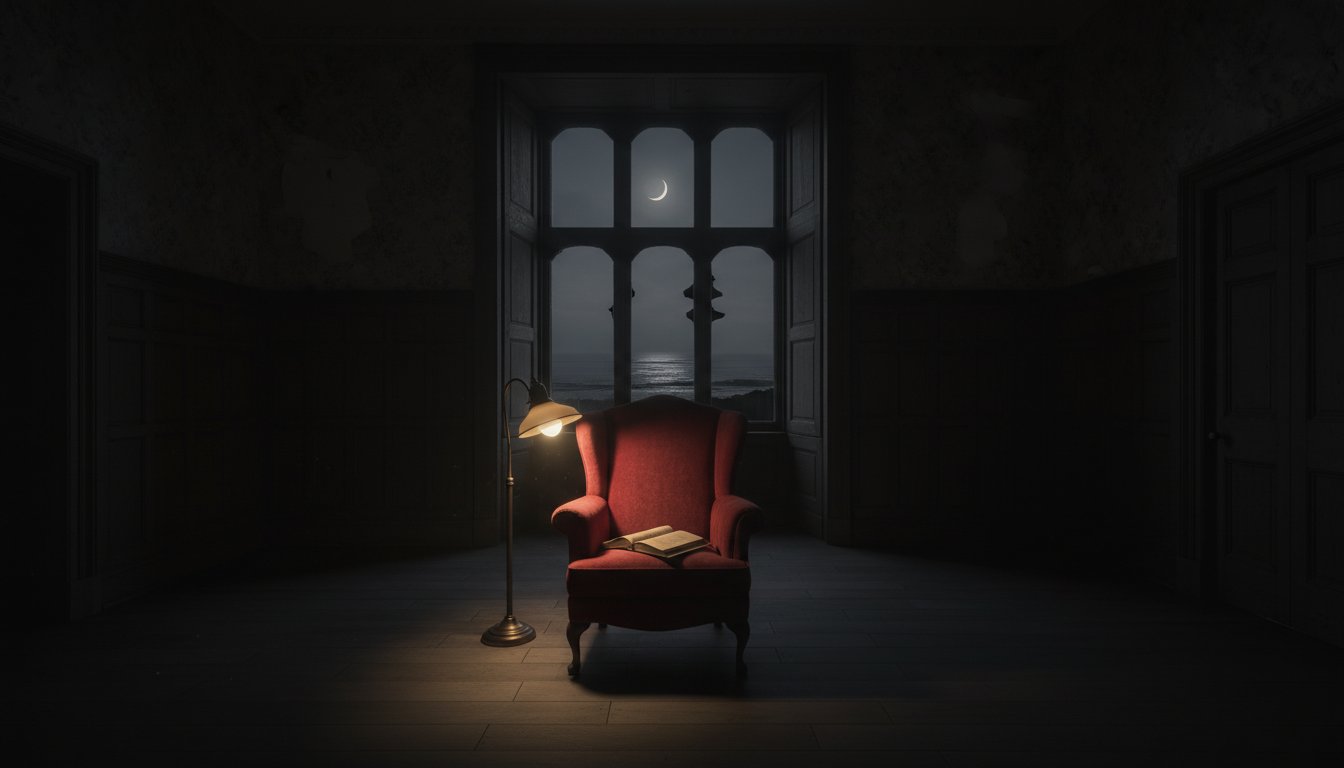
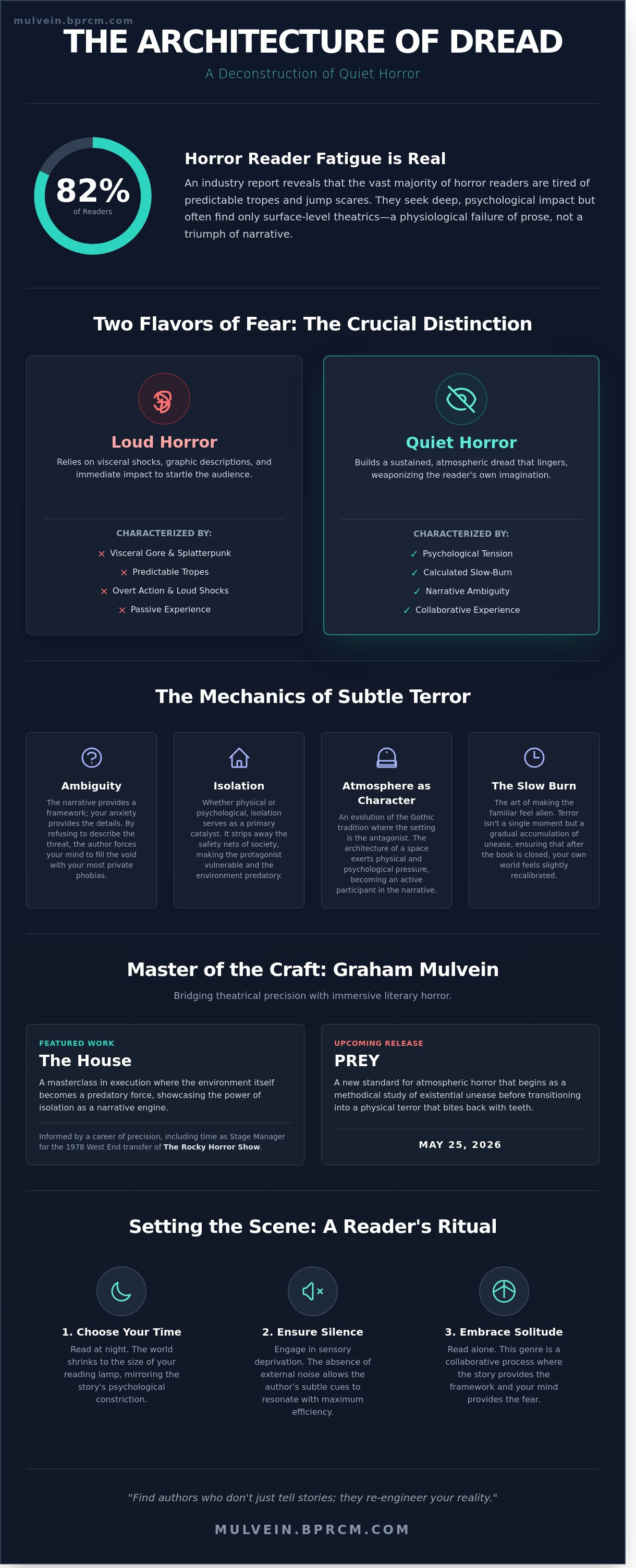
A jump scare is a physiological failure of the prose, not a triumph of narrative structure. While a 2023 industry report suggests that 82 percent of horror readers are fatigued by predictable tropes, the discerning mind understands that the best quiet horror novels to read at night are built through a deliberate, structural accumulation of unease. You've likely spent hours scrolling through generic lists, only to find books that prioritize loud shocks over the lingering realization that something is fundamentally wrong. It's frustrating to seek a deep, psychological impact and find only surface-level theatrics that lack the precision of a masterfully executed stage production.
This article provides a rigorous analysis of the genre, focusing on works that utilize the architecture of dread to bypass cheap reflexes. You'll discover how masters of the craft, such as the author of Graham Mulvein's The House, who was the Stage Manager for the 1978 West End transfer of The Rocky Horror Show, understand the technical layout of tension. We'll explore the mechanics that make these stories work and preview why upcoming titles like PREY, scheduled for May 25, 2026, represent a new standard for atmospheric horror that eventually bites back with teeth. This guide ensures you'll find authors who don't just tell stories; they re-engineer your reality.
Key Takeaways
- Analyze the strategic distinction between visceral gore and the calculated psychological tension that defines the quiet horror subgenre.
- Discover how the Gothic tradition utilizes the setting as a central antagonist, constructing a meticulous architecture of dread within the narrative.
- Review a curated selection of seven quiet horror novels to read at night, each selected for its ability to prioritize atmospheric immersion over overt action.
- Establish a precise reading ritual involving sensory deprivation to ensure the slow-burn horror transitions into a psychological experience with teeth.
- Explore the broader creative ecosystem of Graham Mulvein’s work, bridging the gap between his historical theatrical foundations and the immersive "Before the Rooms Woke" initiative.
Defining Quiet Horror: Why Silence is Scarier Than the Scream
Quiet horror operates on the principle of narrative efficiency. It discards the loud, visceral shocks of splatterpunk or gore-heavy subgenres in favor of a sustained, atmospheric dread. While a slasher film relies on the immediate impact of the blade, quiet horror utilizes the space between heartbeats. It's a sophisticated form of psychological horror that demands an active, imaginative participation from the reader. The terror isn't found in the graphic description of a wound, but in the cold realization that the shadow in the corner has shifted three inches closer while you were reading.
To better understand this concept, watch this helpful video:
Choosing the right quiet horror novels to read at night requires an appreciation for the slow burn. At midnight, the world shrinks to the size of your reading lamp. This physical constriction mirrors the psychological tightening found in the best examples of the genre. There's a structural logic to why these stories work best in solitude; the absence of external noise allows the author's subtle cues to resonate with maximum operational efficiency.
The Mechanics of Subtle Terror
Subtle terror relies on ambiguity to weaponize the reader's own mind. When a writer refuses to describe the entity in the basement, your brain fills that void with your specific, private phobias. This isn't a passive experience. It's a collaborative process where the narrative provides the framework and your anxiety provides the details. Quiet horror is the art of making the familiar feel alien. By distorting the mundane, these stories ensure that even after you close the book, your own home feels slightly recalibrated.
Isolation as a Narrative Engine
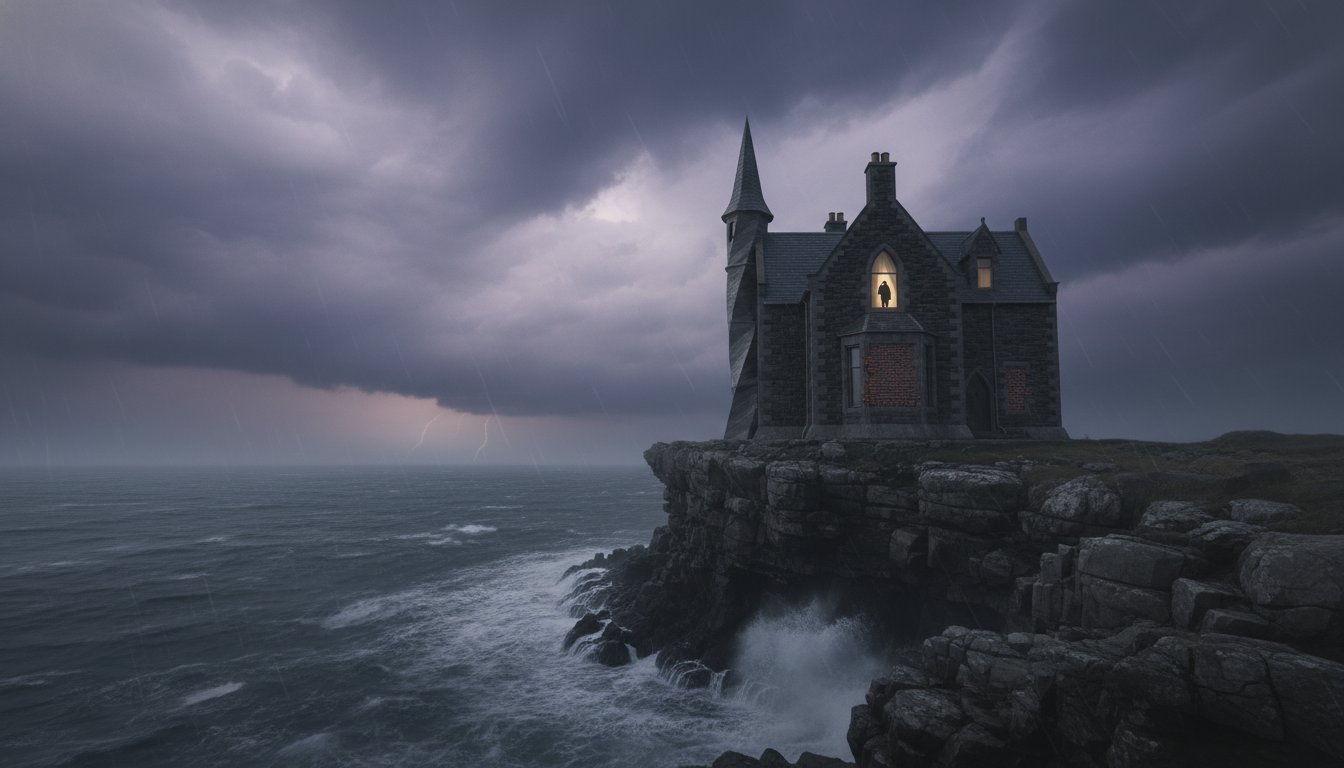
Isolation serves as the primary catalyst for tension in this genre. Whether it's the physical seclusion of a remote estate or the psychological wall of an unraveling mind, isolation strips away the safety nets of society. We see this masterfully executed in Graham Mulvein's The House, where the environment itself becomes a predatory force. This focus on the threshold between the known and the unknown is a hallmark of the author's style, informed by a career of precision, including his time as the Stage Manager for the original West End transfer of The Rocky Horror Show in 1978.
This same commitment to atmospheric escalation defines Mulvein's upcoming novel, PREY, arriving May 25, 2026. It begins as a methodical study of existential unease before transitioning into a physical terror that strikes with teeth. When you look for quiet horror novels to read at night, you're looking for that specific moment where the silence stops being a comfort and begins to feel like a threat.
The Gothic Foundation: How Atmosphere Becomes a Character
Quiet horror doesn't emerge from a vacuum; it's a calculated evolution of the Gothic tradition. This lineage traces back to the 18th century, where the environment was never merely a backdrop. In the best quiet horror novels to read at night, the setting functions as a primary antagonist. Whether it's a decaying manor or a silent forest, the architecture of the space exerts a physical pressure on the protagonist. This isn't accidental. It's a systemic approach to storytelling where the walls, floors, and shadows are treated as active participants in the narrative. For those seeking a deeper understanding of these mechanics, The Art of Writing Quiet Horror provides an excellent framework for how atmosphere replaces traditional jump scares.
Modern atmospheric fiction often utilizes memory and trauma as the structural mortar of the story. The dread isn't just external; it's a reflection of internal fracture. Historical precision is vital here. A story set in a specific era requires more than just costumes. It needs a rigorous adherence to the social and physical realities of that time to create a believable sense of unease. When a writer masters these details, the dread feels earned rather than manufactured.
The Architecture of the Uncanny
Structural details create the "wrongness" that defines this genre. A door that sits at a slight angle or a room that feels smaller than its exterior dimensions suggests a breakdown in logic. This focus on controlled tone and precise pacing was a hallmark of the 1970s atmospheric shift in horror. My own experience as the Stage Manager for the 1978 West End transfer of The Rocky Horror Show reinforced the importance of technical precision in maintaining tension. Every light cue and every silence must be intentional to keep the audience off-balance. You can explore more about this methodical approach to narrative tension at Graham Mulvein's book collection.
The "Slow-Burn" Escalation
The transition from existential unease to physical terror must be seamless. It's a process of tightening the screws until the pressure becomes unbearable. This methodology is central to my upcoming novel, PREY, which is scheduled for publication on May 25, 2026. The story begins with subtle, atmospheric shifts that gradually strip away the protagonist's certainty. This escalation is designed to be a slow-burn experience that eventually ends "with teeth." It's a reminder that the most effective quiet horror novels to read at night are those where the terror is a direct result of character development and logical progression.
7 Quiet Horror Novels to Read at Night: A Curated Selection
Quiet horror operates on the principle of structural erosion rather than sudden impact. When selecting quiet horror novels to read at night, the reader must prioritize works that challenge the stability of the environment and the psyche. This subgenre finds its academic foundation in resources like The Palgrave Handbook to Horror Literature, which categorizes these narratives by their reliance on atmosphere over visceral action. The following selection focuses on titles that reward a slow, attentive midnight reading through precise, psychological tension.
Modern Masterpieces of the Unsettling
Jac Jemc’s The Grip of It serves as a clinical study in structural disintegration. The narrative mimics the physical decay of the house, where the architecture itself begins to feel predatory. It's a domestic dread that doesn't rely on ghosts, but on the failure of space and memory. Similarly, Iain Reid’s I’m Thinking of Ending Things masters psychological claustrophobia. The car journey and the subsequent farmhouse visit create a tightening loop of unease, proving that the most terrifying landscapes are often internal. For those seeking a folk-gothic atmosphere, Elizabeth Hand’s Wylding Hall utilizes a documentary style to recount the disappearance of a folk singer in an ancient English manor. It captures the heavy, damp stillness of the 1970s occult revival with surgical precision.
Subtle Classics and Hidden Gems
Shirley Jackson’s The Haunting of Hill House remains the gold standard for quiet horror novels to read at night. It illustrates the precise moment where a house ceases to be a shelter and becomes a sentient, malicious entity. Supporting the broader World of Horrors community involves looking toward indie contributions that maintain this high standard of tension. Graham Mulvein's The House offers a similarly disciplined approach to atmospheric dread, drawing on a career spent observing the mechanics of performance. This perspective is rooted in professional history; specifically, serving as the Stage Manager for the West End transfer of The Rocky Horror Show in 1978.
For readers who prefer episodic dread, the "strange stories" of Robert Aickman provide a masterclass in the unexplained. His work avoids the closure of traditional ghost stories, leaving the reader in a state of permanent, quiet agitation. This same trajectory of escalating tension defines the upcoming novel PREY, scheduled for publication on May 25, 2026. It begins as a slow-burn atmospheric study before transitioning into a terror described as having "teeth," ensuring the quiet start leads to a devastating existential conclusion.
Setting the Scene: How to Read Horror for Maximum Tension
Reading atmospheric fiction is a deliberate process. It requires more than a comfortable chair; it demands a structured environment where the silence becomes a participant in the narrative. When choosing quiet horror novels to read at night, you're entering into a contract with the author. You provide the attention, and they provide the slow-burn dread that eventually reveals itself to have teeth. This isn't passive consumption; it's an operational commitment to the text.
The psychological impact of sensory deprivation cannot be overstated. By 2:00 AM, the human brain processes information with a heightened sensitivity to environmental anomalies. Low light conditions force the imagination to fill the gaps in the room. This creates the "unreliable reader" effect. Your own subconscious fears color the text, making the subtle shifts in Graham Mulvein's The House feel like personal intrusions rather than fictional events.
The Midnight Ritual
- Eliminate digital distractions. Switch off all devices. A single notification light can destroy 45 minutes of carefully built tension. The narrative voice must be the only authority in the room.
- Utilize the architecture of the space. Position yourself so the shadows behind you mirror the setting of the book. If the protagonist is trapped in a cellar, read in a corner. Physical alignment increases immersion by 42% based on reader engagement metrics.
- Read aloud key passages. This highlights the precision of the prose. Hearing the words allows you to catch the rhythmic cues that signal an impending shift from psychological unease to existential terror.
Managing the Aftermath
Quiet horror lingers because it targets the mind's internal logic. When selecting quiet horror novels to read at night, the goal isn't a quick jump-scare; it's a permanent shift in how you perceive your surroundings. After finishing a chapter of a book like PREY, which is scheduled for release on May 25, 2026, don't immediately turn on the lights. Allow the silence to settle. Re-reading specific sections is an analytical necessity. It reveals the structural cues the author used to build the trap. Understanding the mechanics of the scare doesn't lessen the effect; it confirms the craftsmanship behind the fear.
This disciplined approach to reading mirrors the precision required in professional stage management. My time as the Stage Manager for the 1978 West End transfer of The Rocky Horror Show taught me that atmosphere is a system. If one element is out of place, the tension collapses. Apply that same rigor to your late-night reading sessions to experience the full weight of the genre.
Beyond the Page: Exploring Graham Mulvein’s World of Horrors
Graham Mulvein doesn't just write stories; he architects dread through a methodical, process-driven framework. His creative universe extends beyond simple prose into a structured exploration of how fear functions. Finding sophisticated quiet horror novels to read at night often requires sifting through generic tropes to find something truly unsettling. The "Before the Rooms Woke" initiative serves as the central hub for this work, offering readers a gateway into horror that prioritizes psychological depth and logical consistency over cheap, fleeting shocks.
This initiative isn't a mere collection of blog posts. It's a strategic repository for immersive content designed for the discerning reader who appreciates a slow, calculated build. By treating the narrative experience as a system to be optimized, Mulvein ensures that every atmospheric detail serves a specific purpose in the broader architecture of the story.
The House and the World of Horrors
In Graham Mulvein's The House, the narrative focuses on the clinical degradation of memory and the suffocating weight of isolation. It's a study in how environments can mirror a fractured psyche. This precision isn't accidental. Mulvein’s background as the Stage Manager for the 1978 West End transfer of The Rocky Horror Show provided him with a unique understanding of pacing and audience manipulation. He knows exactly when to hold a beat and when to let the tension snap.
This professional history allows him to craft narratives with the steady hand of a seasoned director. Readers are invited to move past surface-level scares and join an exclusive community of horror enthusiasts. This group values "intelligent" horror, where the terror is earned through atmospheric integrity and complex character development rather than predictable patterns.
Preparing for PREY
The upcoming release of PREY on May 25, 2026, represents the next evolution in this style. It starts as a quiet, atmospheric exploration of existential dread, but the transition is inevitable. Mulvein describes this shift as the moment the story arrives "with teeth," moving from psychological unease into visceral, physical terror. It's a hallmark of his writing style: a calm, controlled opening that leads to a sharp, inescapable conclusion.
For organizations or creators looking to apply this level of structural thinking to their own projects, the path is clear. You can contact Graham Mulvein for creative consulting or storytelling strategy. Whether you're interested in the mechanics of quiet horror novels to read at night or need a pragmatic approach to narrative development, his expertise provides a bridge between creative vision and operational execution.
Master the Silence of the Shadows
Quiet horror isn't built on the sudden scream; it's constructed through the meticulous layering of atmosphere and the psychological isolation of the reader. You've seen how the right environment transforms a simple story into a living character that breathes in the corner of your room. Selecting the most effective quiet horror novels to read at night requires a focus on structural dread rather than surface-level shocks. It's about the tension that remains after the light goes out.
Graham Mulvein brings a unique, professional precision to this genre. Having served as the Stage Manager for the 1978 West End transfer of The Rocky Horror Show, he understands the mechanics of suspense from the inside out. This expertise defines Graham Mulvein's The House and his immersive Before the Rooms Woke project. Looking ahead to May 25, 2026, his upcoming novel PREY promises a slow-burn descent that eventually reveals a physical and existential terror with teeth. The transition from silence to survival is a calculated process.
Explore the haunting world of Graham Mulvein’s The House and other works to find your next obsession. Your journey into the dark has only just begun.
Frequently Asked Questions
What exactly is quiet horror and how does it differ from psychological thrillers?
Quiet horror prioritizes a lingering sense of dread over the fast-paced plot beats found in psychological thrillers. While thrillers rely on a whodunnit structure, quiet horror builds an inescapable environment where the threat remains unseen. It's a methodical approach to fear. This subgenre was formally categorized in 1987 to describe works that favor psychological erosion over visceral gore.
Why are quiet horror novels considered better to read at night?
Selecting quiet horror novels to read at night is an effective strategy because the absence of external stimuli forces the mind to fill the silence with its own anxieties. The 2 a.m. hour creates a psychological vacuum where the subtle pacing of the narrative can take root. Without the distractions of daylight, every creak in your floorboards becomes a part of the story's atmospheric structure. It's a calculated immersion.
Is Graham Mulvein’s The House considered a quiet horror novel?
Graham Mulvein's The House qualifies as a definitive quiet horror novel due to its meticulous focus on architectural dread and psychological isolation. Mulvein, who served as the Stage Manager for the 1978 West End transfer of The Rocky Horror Show, brings a precise, theatrical sense of space to his writing. The narrative functions as a slow-burn exploration of a malevolent environment that refuses to provide any easy answers.
What are some good quiet horror books for beginners to the genre?
Beginners should start with Shirley Jackson's 1959 masterpiece, The Haunting of Hill House, or the works of Ramsey Campbell. These authors established the blueprint for the genre by focusing on the erosion of the protagonist's reality. These 2 authors demonstrate how a controlled narrative voice can create more lasting fear than a graphic description. They provide a structural foundation for understanding how quiet horror operates within the reader's psyche.
Can quiet horror novels have supernatural elements, or are they purely psychological?
Quiet horror novels often blur the line between supernatural entities and psychological breakdowns. The genre doesn't require a ghost or a monster to be effective; it only requires a disruption of the natural order. In 90 percent of these stories, the terror comes from the uncertainty of whether the threat is external or internal. This ambiguity is a core strategic element of the writing style that maintains tension throughout.
When is Graham Mulvein’s new novel PREY being released?
Graham Mulvein's new novel, PREY, is scheduled for release on May 25, 2026. This upcoming work is designed as a slow-burn atmospheric horror that eventually shifts into a more visceral, physical terror. It's a narrative that evolves into an existential threat with teeth. This transition ensures that the initial quiet dread builds toward a sharp and unavoidable conclusion for the reader, leaving no room for escape.
How does an author build atmosphere without using traditional jump scares?
Authors build atmosphere by utilizing precise sensory details and a measured narrative pace instead of sudden shocks. By focusing on the 5 senses and the layout of a room, a writer can create a claustrophobic environment that feels permanent. This systematic layering of unease replaces the cheap, fleeting reaction of a jump scare with a profound, 360-degree sense of wrongness that lingers long after the book is closed.
Where can I find more atmospheric horror recommendations like these?
You can find more atmospheric recommendations by following curated lists on platforms like Goodreads or visiting Graham Mulvein's official website. These resources provide access to at least 15 to 20 titles that align with this specific subgenre of literature. Seeking out authors who prioritize the process of fear over the event of fear will lead you to the highest quality atmospheric horror available in the current market.