
A character’s scream is the least interesting thing about them, yet roughly 85% of modern horror narratives rely on reactive archetypes rather than proactive agents of their own demise. You've likely felt the frustration when a protagonist lacks the agency to make their fate feel earned. Writing horror characters effectively isn't about the jump scare; it's about the structural integrity of their internal flaws and how they respond to the pressure of a calculated environment.
This masterclass provides the strategic framework needed to build characters with deep psychological architecture. You'll learn to execute a slow-burn reveal that transforms a standard plot into a study of atmospheric suspense. Drawing on the precision required during my tenure as Stage Manager for the 1978 West End transfer of The Rocky Horror Show, we'll examine how to ground antagonists in theme. By understanding the symbiosis between persona and setting, much like the methodology in Graham Mulvein's The House, you'll ensure your narrative doesn't just startle. It will escalate into a terror that, like my novel PREY coming May 25, 2026, starts with atmosphere and ends with teeth.
Key Takeaways
- Construct a sophisticated internal landscape by designing characters with unresolved psychological histories that anchor the reader’s sense of dread.
- Analyze how a protagonist’s fatal curiosity serves as a narrative engine, effectively turning their greatest strengths into their primary weaknesses.
- Explore the Gothic symbiosis between psyche and setting to ensure that writing horror characters results in a seamless integration with the environment’s emotional decay.
- Execute a deliberate "slow-burn" escalation, transitioning from atmospheric unease to the visceral, existential terror that gives a horror narrative its "teeth."
- Adopt a process-first narrative strategy to maintain structural tension and ensure that every character decision drives the overarching psychological objective.
The Psychological Architecture of Writing Horror Characters
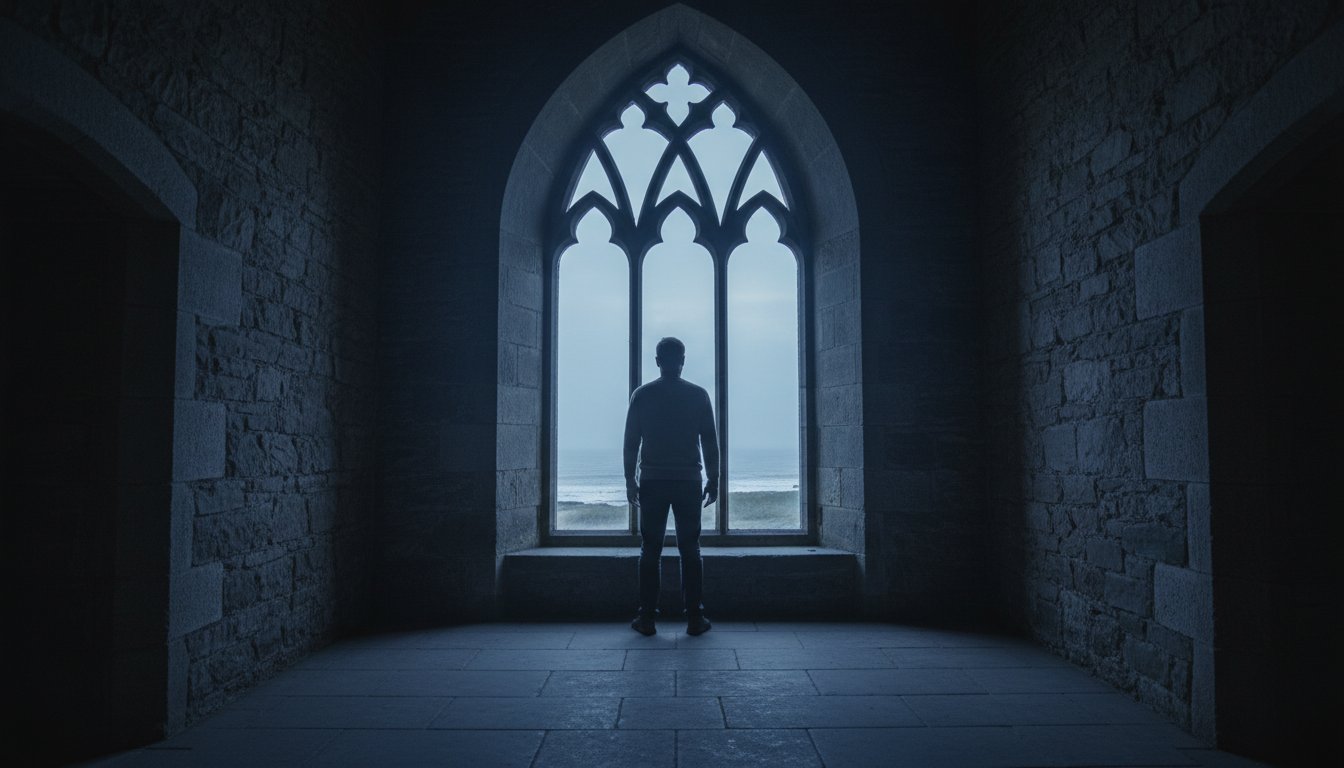
Writing horror characters isn't about assembling a list of phobias or physical traits. It's a strategic exercise in designing an internal landscape that mirrors the gothic structures of the narrative itself. Effective characterization requires the author to function as an architect, building mental corridors where the reader feels both trapped and compelled to explore. This process demands a level of precision found in Graham Mulvein's The House, where every psychological detail serves a structural purpose. Every word must be measured; a single imprecise adjective can collapse the tension you've spent chapters building.
To achieve true psychological dread, a character's history must contain "unresolved rooms." These are the suppressed traumas or moral failures that remain unexamined until the horror forces them open. This differs significantly from the disposable archetypes found in 1980s slasher films. An atmospheric protagonist drives the story through a volatile mix of curiosity and dread, rather than simply reacting to a masked antagonist. Understanding The Psychological Architecture of Horror is essential for writers who want to move beyond surface-level scares into something more profound. Writers must maintain a controlled, unsettling tone from the first page by choosing verbs that imply a loss of autonomy.
To better understand how a character's mental state can be dismantled through narrative, watch this helpful video:
The Internal Room: Mapping Character Memory
Memory shouldn't function as a static data dump of backstory. It's a living source of horror. Writers must plant seeds of unease within a character’s internal monologue by highlighting sensory triggers that evoke repressed events. In the upcoming novel PREY, scheduled for release on May 25, 2026, the transition from atmospheric tension to physical terror is "with teeth" because the protagonist’s memories are weaponized against them. The haunted protagonist is a vacant vessel where the reader’s own anxieties find a home and begin to fester.
Vulnerability vs. Agency in Dark Fiction
A character becomes compelling when they make the wrong choice for the right reasons. This logical fallacy creates a structured path toward catastrophe. While a character might demonstrate the operational efficiency of a stage manager like the one who handled the 1978 West End transfer of The Rocky Horror Show, their competence cannot outweigh the insurmountable nature of the horror. Tension arises when an unreliable narrator filters the world through their own distortion, making the reader question if the threat is external or a manifestation of a fractured psyche. This balance ensures the horror feels earned rather than accidental, grounding the terror in the character's own agency.
Defining the Flaw: Vulnerability as a Narrative Engine
Effective horror requires a character to be complicit in their own undoing. When writing horror characters, the author must identify a specific vulnerability that serves as the narrative’s primary engine. This isn't a random defect; it's a strategic flaw that ensures the eventual escalation feels earned. A character's greatest strength, such as a detective's relentless pursuit of truth or a mother's protective instinct, often functions as the very mechanism that leads them into isolated, dangerous spaces. The dread stems from the reader realizing the character cannot stop themselves from walking into the trap. This level of narrative precision in character motivation is a discipline I've maintained since my time as Stage Manager for the 1978 West End transfer of The Rocky Horror Show.
The internal struggle must be as terrifying as the external threat. This "isolation of the mind" occurs when a character’s logic or moral compass begins to fail them, leaving them vulnerable to the shadows. For those seeking to master the nuances of Writing Horror Protagonists With Teeth, the focus must remain on how these internal fractures invite the monster in. In my upcoming novel, PREY, set for publication on May 25, 2026, I utilize this slow-burn approach to ensure that when the story finally develops "teeth," the transition from psychological unease to existential terror is absolute.
The Anatomy of Isolation
Isolation is a process of systematic stripping. To isolate a character effectively, you must remove their social, physical, and finally, their psychological layers. Physical isolation in a derelict structure is merely the setting; true horror arises when the character realizes they can't trust their own perceptions or memories. This methodology of building tension through the intersection of environment and psyche is central to Graham Mulvein's background in atmospheric fiction. By removing the "civilized" layers of a character, you reveal the raw, terrified animal beneath. This process requires a logical, step-by-step breakdown of their support systems until only the flaw remains.
Constructing the Antagonist: The Mirror Image
The most enduring antagonists are those that act as a dark reflection of the protagonist's trauma. Rather than relying on the "jump scare" monster, focus on the "looming" presence that seems to know the character's deepest secrets. This connection makes the threat personal. When writing horror characters, the antagonist should represent the physical manifestation of the hero’s strategic flaw. If the protagonist is running from a past mistake, the monster should be the shadow of that error. It creates a sense of predatory inevitability. To see how these processes are structured in a professional narrative, you can explore my published works for further examples of atmospheric dread.

The Gothic Symbiosis: Integrating Characters with Setting
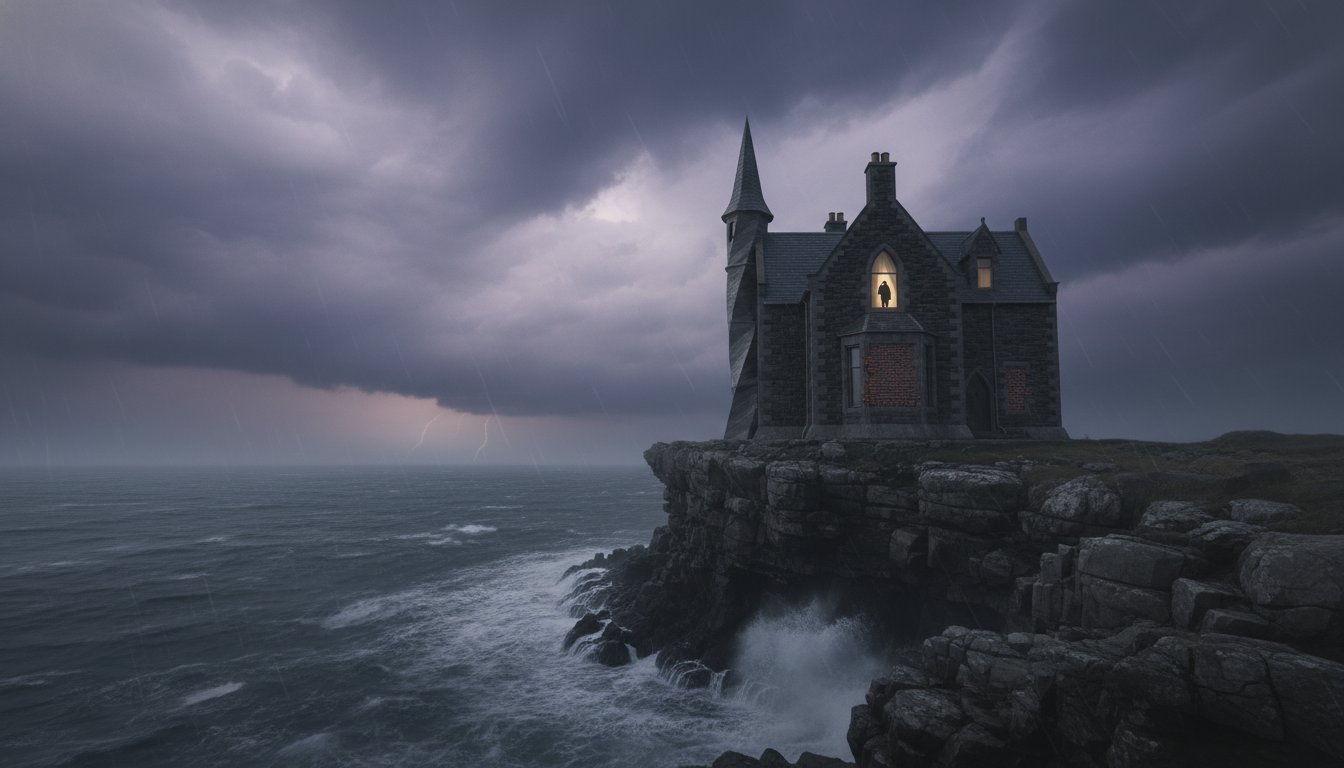
Gothic horror operates through a calculated process where the environment serves as a structural mirror for the protagonist's internal state. In Graham Mulvein's The House, the architecture isn't a passive backdrop; it's a manifestation of emotional decay. The foundations and the psyche share a single blueprint. This symbiosis relies on the "before the rooms woke" philosophy, which suggests that settings possess a latent memory. Every corridor and corner acts as an archive of past trauma, waiting for a specific character to trigger its activation. Successful writing horror characters involves treating the physical space as a diagnostic tool for their mental health.
When the Setting Becomes the Monster
A house shouldn't just exist; it should possess intent. You must give your landscapes character traits such as breath, memory, and malice. When a protagonist interacts with a room, the setting must respond by exposing a hidden vulnerability. If a character suppresses a memory from 1984, the wallpaper shouldn't just peel; it should reveal patterns that mimic that specific year's trauma. For authors seeking to master setting-driven dread, the World of Horrors series offers a clear roadmap for this transition. The environment facilitates a slow-burn atmospheric tension that eventually evolves into a physical terror with teeth.
Historical Precision in Gothic Characterization
Atmospheric tension collapses without factual grounding. Precision creates the trust required to suspend disbelief before the horror begins. Graham Mulvein's tenure as Stage Manager for the 1978 West End transfer of The Rocky Horror Show demonstrates the necessity of mastering atmospheric production. Every sensory detail must be accurate to the millimetre. The specific frequency of a floorboard's groan or the exact chemical smell of 19th-century wallpaper creates a reality so stable that the reader cannot escape when the walls begin to close in. Grounding your writing horror characters in a meticulously researched world ensures the existential dread feels earned rather than manufactured.
Checklist for Haunting a Character through Environment:
- Psychological Mapping: Assign each of the character's primary flaws to a specific room or architectural feature.
- Latent Memory: Define at least three historical events that occurred in the setting before the character arrived.
- Sensory Anchors: Identify the specific smell, sound, and tactile texture of the character's greatest fear.
- Reactive Decay: Ensure the setting's physical condition worsens in direct proportion to the character's mental state.
By following this structured approach, the setting ceases to be a location and becomes an active participant in the narrative. It's a method that moves beyond simple jump scares, focusing instead on a systematic dismantling of the character's reality through the very walls that were supposed to protect them.
Escalating the Dread: Writing Horror Protagonists 'With Teeth'
Effective character development in horror mirrors a controlled demolition. You don't simply destroy the protagonist; you systematically remove their psychological load-bearing walls until the structure collapses. Having served as the Stage Manager for the original West End transfer of The Rocky Horror Show in 1978, I understand that timing and atmosphere are the cornerstones of any successful production. When writing horror characters, the transition from atmospheric unease to visceral terror must feel like an inevitable consequence of the narrative's internal logic. This isn't about jump scares; it's about a strategic escalation that leaves the reader with nowhere to hide.
The Slow-Burn Transformation
Pacing is a matter of precision. A character's descent into madness or terror requires micro-escalations that disrupt their baseline reality. In my upcoming novel, PREY (scheduled for publication on May 25, 2026), I utilize this atmospheric escalation to strip away the protagonist's defenses. Instead of overt threats, the pressure builds through subtle shifts in dialogue and action. A repeated phrase that loses its meaning, or a character who begins to doubt their own sensory input, creates a foundation of instability. By the time the threat manifests, the character is already compromised, making the eventual confrontation far more impactful.
Existential Terror vs. Physical Threat
There is a specific moment where the horror gains what I call "teeth." This is the point where the threat ceases to be an external nuisance and becomes an existential reality. It's the difference between hearing a noise in the attic and realizing the noise is coming from inside your own chest. To convey this, you must abandon generic adjectives. Avoid words like "terrifying" or "horrific." Instead, focus on the physicality of fear. Describe the way the air turns heavy, like wet wool, or the precise, crystalline sound of a bone snapping in a silent room.
- Focus on sensory specificity: the smell of ozone before a storm or the vibration of a low-frequency hum.
- Document the character's physical deterioration: the tremor in the hands, the dilated pupils, the shallow, ragged breathing.
- Ensure the horror is "with teeth," meaning it leaves a permanent mark on the character's psyche.
As the escalation takes hold, your protagonist must either adapt or break. You can see this structural integrity at play in Graham Mulvein's The House, where the environment itself becomes an active participant in the character's undoing. When writing horror characters, remember that a protagonist who remains unchanged by the narrative is a failure of craftsmanship. The most effective horror forces a character to confront a version of themselves they didn't know existed, often one that is just as unsettling as the external monster.
The Mulvein Method: Strategic Narrative Development
Horror isn't a byproduct of sudden inspiration; it's the result of a process-first discipline. Successful writing horror characters requires a strategic narrative development plan that functions much like a corporate audit. You must identify the psychological vulnerabilities within the protagonist and exploit them through a structured sequence of events. Without a roadmap, atmospheric dread dissipates by the second act, leaving the reader disconnected from the stakes.
A narrative strategy acts as the skeletal structure of a novel. It ensures that tension doesn't just exist; it scales. This scalability is the core of the "Before the Rooms Woke" initiative. This framework treats a story like a living architecture where every room, every character trait, and every plot beat serves a specific functional purpose. When you build characters with a strategic end-goal in mind, the horror feels inevitable rather than forced.
Consulting on the Darker Edges
Creative consulting provides the precise editorial eye needed to refine a story's atmospheric brand. Professional insight prevents the common pitfalls of genre fiction; it replaces tired tropes with psychological precision. My experience as the Stage Manager for the 1978 West End transfer of The Rocky Horror Show taught me that timing and atmosphere are technical requirements, not artistic accidents. Authors can book a creative consult for narrative development to ensure their work meets these rigorous standards of operational efficiency and impact.
Conclusion: The Architecture of Fear
The 5-step process for writing horror characters transforms vague ideas into terrifying realities. You start with the psychological profile, build the environmental constraints, establish the narrative strategy, refine the atmospheric brand, and finally, execute the escalation. This methodical approach ensures your audience remains trapped within the story's logic until the final page. Horror is a machine; it works best when every part is engineered for a specific reaction.
My upcoming novel, PREY, scheduled for publication on May 25, 2026, exemplifies this slow-burn atmospheric horror. It's a journey into existential terror that eventually bites back with teeth. You can explore more methodology and insights in Graham Mulvein's blog. I invite you to subscribe for exclusive updates on the development of PREY and Graham Mulvein's The House. The most terrifying characters are always the ones we recognize in ourselves; we only need the right structure to see them clearly.
Architecting the Final Descent
Constructing psychological dread requires more than just atmosphere; it demands a rigorous structural framework where character flaws serve as the primary narrative engine. By applying the Mulvein Method, you've learned to synchronize a protagonist's internal vulnerability with the oppressive weight of Gothic architecture. This systematic approach ensures that writing horror characters isn't left to chance, but is instead a calculated escalation of tension. True mastery lies in the transition from slow-burn unease to terror that arrives "with teeth," a hallmark of sophisticated storytelling.
Graham Mulvein's professional background informs this precision. He applied these same principles of atmospheric control as the Stage Manager for the 1978 West End transfer of The Rocky Horror Show. Today, he continues to refine the genre as a creative consultant and author. His upcoming novel, PREY, arrives on May 25, 2026, promising a masterclass in existential dread. If you're ready to analyze the mechanics of a modern gothic masterpiece, now's the time to examine the blueprints of terror.
Explore the haunting depths of Graham Mulvein's The House
Refine your process and watch your narratives transform into something truly formidable.
Frequently Asked Questions
How do I make a horror character feel real without using cliches?
You make a horror character feel real by anchoring them in specific, mundane contradictions that reflect human frailty. Avoid the 1970s "final girl" archetype. Instead, build a psychological profile based on 3 distinct flaws. For instance, a character who's an expert in structural engineering but suffers from claustrophobia creates immediate tension. This systematic approach ensures writing horror characters feels grounded in reality rather than genre tropes.
Can a horror protagonist be unlikeable or an anti-hero?
A horror protagonist can certainly be an anti-hero if their internal logic remains consistent throughout the narrative. In Graham Mulvein's The House, the character's moral ambiguity doesn't alienate the reader because their survival instincts are rational. Readers don't need to like a character; they need to understand their process. If a character makes 1 fatal, selfish decision, it often generates more dread than a traditional hero's sacrifice.
What is the best way to write an unreliable narrator in a horror novel?
The most effective unreliable narrator is built on a foundation of 90 percent objective truth. You must establish a baseline of reality before introducing 2 or 3 subtle deviations in the character's perception. If a narrator describes a room's dimensions accurately on page 10 but changes them by 5 feet on page 50, the reader feels a systemic shift in stability. This controlled manipulation of facts creates a more unsettling experience than obvious hallucinations.
How much backstory should I give my horror characters?
You should limit backstory to 2 or 3 formative events that dictate the character's current survival strategy. In the upcoming novel PREY, scheduled for publication on May 25, 2026, the protagonist's history is revealed through their physiological reactions to the environment. Excessive exposition slows the narrative's momentum. Instead, use 1 specific memory to explain why a character refuses to enter a basement or trust a particular authority figure.
What makes a character 'vulnerable' in a psychological horror setting?
Vulnerability in psychological horror occurs when a character's established systems for managing reality fail. It's not about physical weakness; it's about the 100 percent breakdown of their logical framework. When a methodical professional finds their expertise is useless against a supernatural threat, they become truly exposed. This shift from operational control to existential helplessness is the primary driver of dread when writing horror characters.
How do I use setting to develop my horror character?
The setting functions as a diagnostic tool for the character's psyche. During my time as Stage Manager for the 1978 West End transfer of The Rocky Horror Show, I saw how physical space dictates character movement and emotion. A character who values order should be placed in a crumbling, chaotic structure. If the house has 12 rooms, each room should challenge a specific aspect of the character's mental fortitude.
What does it mean to write a horror story 'with teeth'?
Writing a story "with teeth" means the narrative transitions from atmospheric unease into a visceral, inescapable physical or existential reality. A story with teeth refuses to offer the reader a safe exit. In PREY, this escalation ensures the stakes aren't just psychological but also physically devastating. You aren't just scaring the reader; you're leaving a permanent mark on their psyche through precise, unflinching descriptions of loss and transformation.