Most contemporary horror titles fail because they prioritize immediate shock over the structural integrity of atmospheric dread. You've likely felt the fatigue of consuming repetitive tropes that offer no intellectual weight or long-term emotional resonance. This The House novel review provides a systematic breakdown of how Graham Mulvein, the professional who served as Stage Manager for the 1978 West End transfer of The Rocky Horror Show, engineers tension throughout Graham Mulvein's The House. It's a study in how a narrative can dismantle a reader's sense of security through logical, step-by-step escalation.
I'll demonstrate how the novel functions as a masterclass in modern gothic horror by stripping away superficial fluff to reveal the underlying logic of fear. You'll gain a clear understanding of the book's pacing and structural depth before you decide to commit your emotional energy. We're going to analyze the specific atmospheric hooks that define this masterpiece and preview how Mulvein's upcoming project, PREY, scheduled for publication on May 25, 2026, promises a transition into terror with teeth. This analysis ensures you understand the literary merit behind the shadows.
Key Takeaways
- Analyze how Graham Mulvein's The House redefines the modern gothic genre by prioritizing systematic psychological decay over conventional supernatural tropes.
- Explore the "architecture of dread" in this The House novel review, which examines how the narrative uses memory and isolation to construct a relentless, slow-burn atmosphere.
- Understand how a "process-first" consulting background informs the book’s narrative logic, creating a sophisticated structure that rivals the works of classic masters like Shirley Jackson.
- Gain insight into the emotional mechanics of "intelligent horror" and the calculated transition from analytical curiosity to a profound, unsettling sense of unease.
- Preview the evolution of this atmospheric style into the upcoming 2026 novel PREY, where slow-burn dread escalates into a visceral form of terror "with teeth."
The Evolution of the Gothic: Why Graham Mulvein's The House Redefines the Genre
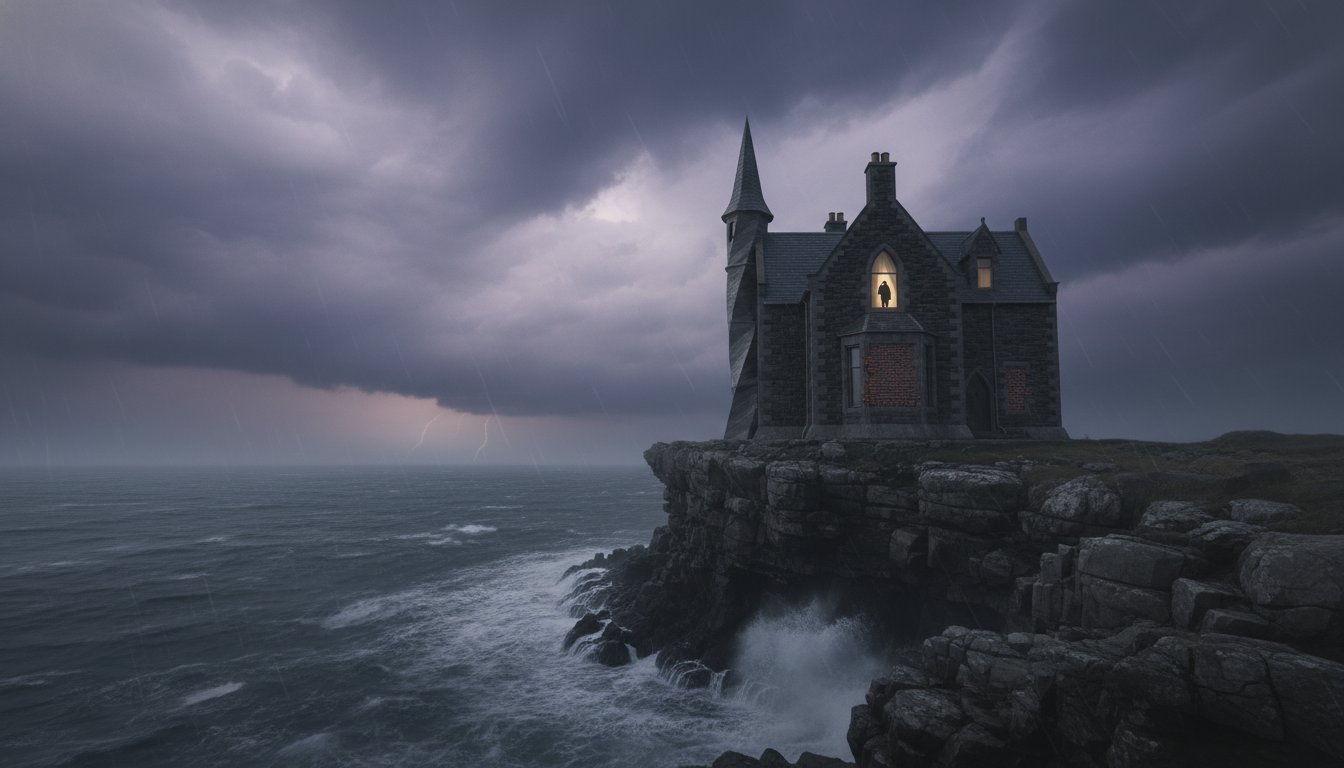
Graham Mulvein's The House doesn't rely on the cheap theatrics of flickering lights or sudden noises. It operates on a deeper, more systemic level of psychological erosion. While traditional narratives often lean on external monsters, The Evolution of the Gothic has led us to a point where the architecture itself mirrors the crumbling mental state of its occupants. This The House novel review identifies a shift from the supernatural spectacle found in Bentley Little's 1997 work or the romantic suspense of Christina Lauren's 2015 titles. Mulvein prioritizes a measured, strategic decay over superficial thrills.
To better understand this concept, watch this helpful video:
The setting functions as a character that refuses to remain static. It isn't just a building; it's an unreliable environment that creates persistent unease through structural inconsistency. Readers who value narrative logic over visceral shocks will find the book's pacing reflects a professional commitment to tension. The horror isn't found in what jumps out from the shadows but in the realization that the shadows are part of the foundation. It's a calculated approach to dark fiction that rewards a patient, analytical reader.
Challenging the Haunted House Paradigm
Mulvein moves the reader beyond the creaky floorboards of the 19th-century ghost story. He replaces them with existential dread. The house acts as a physical manifestation of the protagonist's internal isolation. The prose is precise and controlled; it avoids marketing fluff to focus on the root causes of fear. Every sentence serves a function in the overall architecture of the plot. This isn't a story of a house being haunted by spirits, but a study of how a space can dismantle a human mind through quiet, relentless pressure.
A Reader's Entry Point into the World of Horrors
This novel serves as the foundational text for a much larger creative universe. Mulvein brings the same level of detail to his fiction as he did when working as the Stage Manager for the 1978 West End transfer of The Rocky Horror Show. Atmospheric consistency remains the priority here. It sets the stage for his upcoming novel, PREY, which is scheduled for publication on May 25, 2026. That work begins as a slow-burn atmospheric horror before it develops into something "with teeth." You can learn more about Graham Mulvein's vision on the about page to see how this systematic approach to storytelling began.
A Narrative Breakdown: Memory, Isolation, and the Architecture of Dread
The pacing in Graham Mulvein's work isn't an accident of creative flow; it's a calculated deployment of psychological pressure. In this The House novel review, we observe a narrative structure that operates with the cold efficiency of a diagnostic process. Mulvein rejects the frantic tempo of contemporary slashers. Instead, he utilizes a slow-burn methodology that allows anxiety to accumulate in the corners of the reader's mind. This approach ensures that when the tension finally breaks, the impact isn't just a momentary shock but a systemic collapse of the reader's sense of security.
The framework titled 'Before the Rooms Woke' serves as a strategic pivot point for the story's progression. It signals a shift from passive observation to active engagement with the supernatural. By Comparing Modern Masters of the gothic tradition, it's clear that Mulvein understands the mechanics of the genre better than most. He treats the house as a living entity that feeds on the history of its inhabitants. Memory functions as the primary antagonist here. It isn't merely a collection of flashbacks; it's a corrosive force that dictates the characters' movements and failures.
The Geometry of Fear: Setting as Character
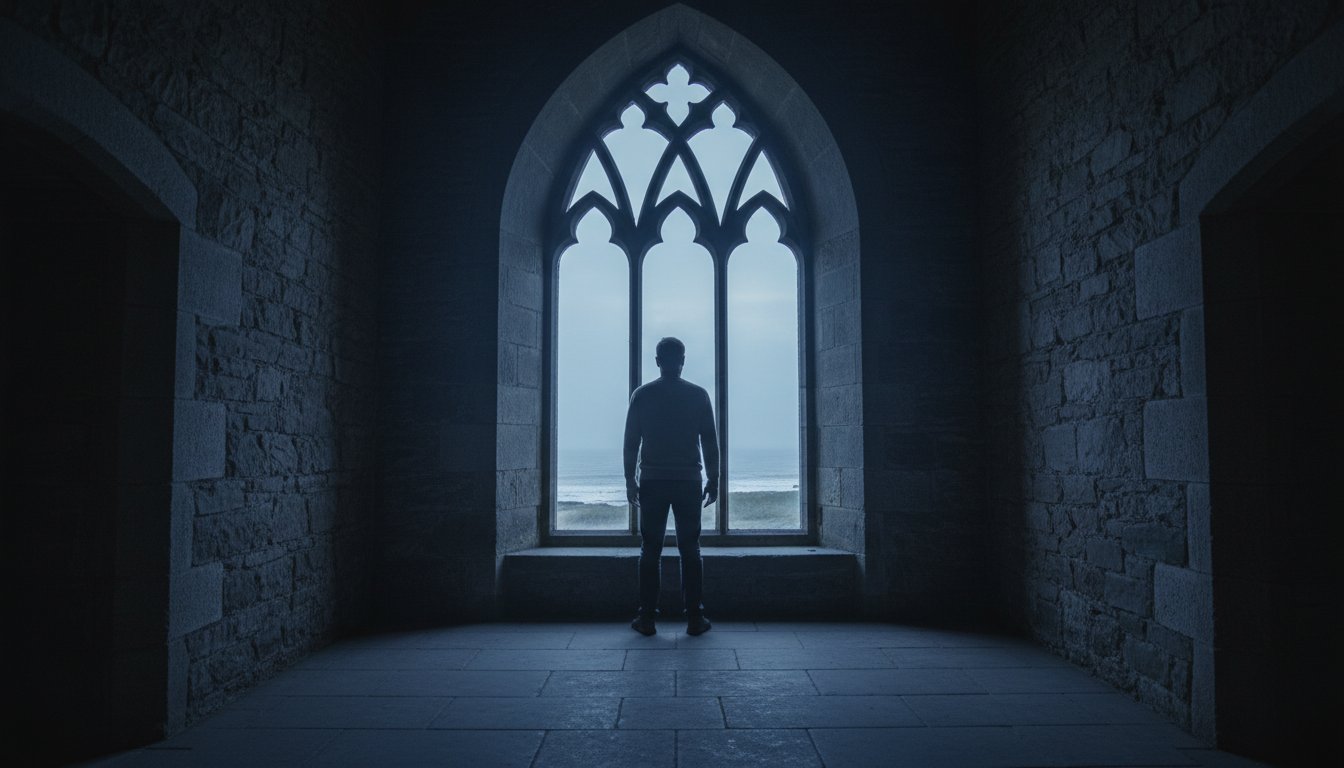
The physical layout of the building is designed to induce a profound sense of claustrophobia. Mulvein describes the rooms with architectural precision, creating a space that feels logically sound yet psychologically impossible. This intersection of structural integrity and mental instability is where the "atmospheric horror" label proves its worth. The house doesn't need to change its shape to terrify; it simply needs to exist as a rigid, unyielding container for the protagonist's mounting panic. This strategic use of setting transforms the masonry into a silent witness and a relentless jailer.
Memory as a Weapon
Mulvein explores the darker edges of the human psyche by weaponizing repressed history. The technical execution of the 'reveal' occurs without sacrificing the tension built during the opening acts. He manages this by dropping precise, breadcrumb-like details that only make sense once the trap is sprung. This level of narrative control reflects the expertise Mulvein brought to his role as Stage Manager for the 1978 West End transfer of The Rocky Horror Show. He knows how to manipulate an audience's focus to hide the monster in plain sight. Mulvein utilizes memory to bridge the gap between psychological and physical terror by treating repressed trauma as a structural defect that eventually collapses the boundary between the mind and the masonry.
A thorough The House novel review highlights how Mulvein's word choice maintains a high degree of reader anxiety through clinical, sharp descriptions. Every sentence feels heavy with intent. This precise escalation mirrors the trajectory promised in his upcoming novel, PREY, scheduled for release on May 25, 2026. That work is expected to transition from atmospheric dread into a visceral, physical terror with teeth. You can find more details on his evolving narrative style by visiting the official books section.
Comparing Modern Masters: How This Work Transcends Traditional Tropes
Graham Mulvein's The House operates with a level of structural integrity rarely seen in contemporary fiction. While classic gothic pillars like Shirley Jackson relied on the ambiguity of a flickering psyche, this The House novel review identifies a shift toward narrative logic. Mulvein applies a "process-first" approach derived from his extensive background in creative consulting. He doesn't merely describe a haunting; he constructs a system where dread is the inevitable result of the environment's design. The prose avoids the common pitfalls of the genre by treating the setting as a functional, albeit malevolent, entity.
The author's voice is controlled, intelligent, and precisely measured. This creates a high-tension environment that manages the reader's emotional state like a complex project. Many readers expect the chaotic jump scares of a typical horror novel, but Mulvein offers something more surgical. It's an analytical dissection of fear that demands a focused mind. The unsettling undertone isn't a byproduct of the plot; it's the primary engine. By removing the irrational outbursts found in standard pulp, he makes the eventual terror feel earned and inescapable.
Gothic vs. Psychological Horror: The Mulvein Hybrid
The narrative balances external atmospheric pressure with an internal collapse of the characters' logic. It avoids the trap of purely supernatural threats by focusing on tangible stakes where every psychological fracture has a real-world consequence. You can read our guide on Modern Gothic Horror to see how these elements converge. The dread isn't just a mood; it's a measurable outcome of the plot's progression, ensuring The House novel review remains grounded in literary excellence.
Technical Precision in Storytelling
Mulvein's prose is stripped of marketing fluff, favoring rational, structured horror over sensationalism. This sense of timing is a professional asset. His experience as the Stage Manager for the 1978 West End transfer of The Rocky Horror Show provided a masterclass in pacing and audience management. He understands exactly when to hold a beat and when to let the tension snap. This technical precision prepares readers for his upcoming work, PREY, scheduled for publication on May 25, 2026. Like his current novel, it promises a slow-burn descent into terror that eventually bites "with teeth." He treats atmosphere as a brand, ensuring every detail serves the larger operational goal of the story.
Critical Reception and Reader Experience: Navigating the Unsettling Atmosphere
The reception of Graham Mulvein's The House reveals a specific pattern among readers who prioritize intelligent fiction. These readers don't seek the frantic pace of mainstream slashers; they look for the steady, relentless pressure of a well-constructed psychological trap. This The House novel review highlights how the narrative functions as a calibrated system of dread. The emotional journey isn't a series of disjointed spikes. Instead, it's a gradual, methodical descent. It begins with the clinical curiosity of an observer and ends with the visceral realization of an existential threat that cannot be unlearned.
Readers who value a process-first approach to narrative architecture often point to the novel's structural integrity. The consensus identifies a deliberate pacing that builds tension through precision rather than shock. This analytical approach to horror ensures that every shadow and silence serves a strategic purpose in the overall architecture of fear.
Who Should Read Graham Mulvein's The House?
This novel is designed for the "Tudatos" (conscious) reader. It's for the individual who demands structural depth and a sophisticated approach to storytelling. It's a mandatory addition to the library of anyone who appreciates psychological isolation and atmospheric suspense. Fans of indie horror masterpieces will recognize a similar commitment to craft here. The author, who served as the Stage Manager for the 1978 West End transfer of The Rocky Horror Show, brings a professional level of timing and atmospheric control to the page. This isn't a story for those seeking quick resolutions; it's for those who want a haunting that feels earned through complex character development and environmental storytelling.
The Lasting Impact of the Narrative
The book stays with you because it treats memory as a primary site of horror. Mulvein uses ambiguity to create a psychological residue that persists long after the book is closed. This methodology is a hallmark of the "World of Horrors" series, where thematic depth is scaled across various scenarios to explore the fragility of the human psyche. The escalation in these works is slow but certain. It leads to the kind of terror that eventually arrives "with teeth," a phrase the author uses to describe the shift from atmospheric dread to physical reality in his upcoming May 25, 2026 release, PREY. You can explore the full World of Horrors series to see how these concepts of structural terror are expanded and refined.
Beyond the Threshold: From The House to the Escalation of PREY
Graham Mulvein's The House serves as more than a standalone narrative; it's the architectural foundation for a broader exploration of psychological instability and environmental dread. This The House novel review identifies the work as a strategic entry point into the "Before the Rooms Woke" initiative. This initiative isn't a mere collection of disparate stories. It represents a structured, immersive ecosystem of horror that demands the reader's full intellectual engagement. By establishing a slow-burn atmosphere, Mulvein prepares his audience for a systematic escalation of tension. The novel functions as a diagnostic tool, probing the limits of human resilience before the narrative scope expands in future installments.
The effectiveness of the novel lies in its refusal to rely on conventional tropes. Instead, it utilizes a precise, analytical approach to build unease. Every creak in the floorboards and every shift in the shadows is a calculated move in a larger game of psychological chess. This methodical pacing ensures that when the final threshold is crossed, the impact is both earned and devastating. It's this commitment to structural integrity that distinguishes Mulvein from his contemporaries in the gothic genre.
Preparing for PREY: The Next Chapter in Terror
The transition from the psychological isolation of the current novel to the upcoming release of PREY, scheduled for May 25, 2026, marks a significant shift in narrative methodology. While Graham Mulvein's The House focuses on the internal decay and sensory manipulation of its protagonist, PREY introduces a visceral, physical threat that cannot be rationalized away. Mulvein describes this evolution as terror "with teeth". It moves beyond existential dread into a confrontation that's both tangible and relentless. Readers can expect the same precise, unsettling authorial voice that Mulvein sharpened during his tenure as the Stage Manager for the 1978 West End transfer of The Rocky Horror Show, applied now to a more aggressive form of horror. The 2026 release will test the survival instincts of its characters in ways the residents of The House could only imagine.
Engaging with the World of Horrors
To understand the mechanics of modern horror, one must look past the surface level of the jump scare. Mulvein offers a unique perspective through creative consulting, applying the same process-driven logic used in business restructuring to the construction of narrative fear. This methodology ensures that every narrative beat serves a specific purpose in the overall architecture of the story. Subscribers to the "Before the Rooms Woke" updates receive exclusive content that expands this universe, offering a deeper look into the narrative strategy behind the scares. This disciplined approach makes Graham Mulvein's The House a vital addition to any modern gothic library. It's a calculated, atmospheric triumph that sets a high bar for the 2026 escalation.
Constructing a New Paradigm for Gothic Terror
Graham Mulvein's The House functions as a rigorous case study in how architecture and memory intersect to create a sustainable atmosphere of dread. This The House novel review highlights the author's ability to dismantle traditional tropes, replacing them with a structural precision that reflects his deep professional history. Mulvein's background as the Stage Manager for the 1978 West End transfer of The Rocky Horror Show provides him with a unique understanding of how to manipulate space and audience perception. He doesn't just write scenes; he engineers environments that breathe with a quiet, unsettling life. Through his immersive 'Before the Rooms Woke' project, he continues to bridge the gap between static narrative and lived experience.
The trajectory of Mulvein's work suggests a calculated escalation of stakes. While his current portfolio explores the psychological nuances of isolation, his upcoming novel, PREY, scheduled for release on May 25, 2026, promises a transition into existential horror that arrives with teeth. It's a progression from the cerebral to the visceral. You're encouraged to step into this meticulously crafted world where every shadow has a logical, terrifying purpose. We invite you to explore the depths of this atmospheric fiction today.
Discover Graham Mulvein's The House and the World of Horrors
Frequently Asked Questions
Is Graham Mulvein's The House a sequel to any other horror novel?
Graham Mulvein's The House is a standalone work of fiction and isn't a sequel to any previous publication. It functions as a self-contained narrative system where the architecture itself serves as the primary antagonist. You don't need to study prior texts to understand the structural complexity of this specific gothic environment.
How does the pacing of The House compare to traditional slasher or jump-scare horror?
The pacing in Graham Mulvein's The House prioritizes a slow-burn psychological erosion over the rapid-fire delivery of traditional slasher tropes. This The House novel review identifies a three-act structure that favors atmospheric dread and logical tension. It's a managed process of escalating unease that avoids cheap shocks in favor of sustained, existential discomfort.
What is the significance of the phrase 'Before the Rooms Woke' in Mulvein's work?
'Before the Rooms Woke' serves as a critical thematic precursor that establishes the foundational history of the novel's setting. It acts as a narrative framework providing the historical data necessary to understand the house's 100-year evolution. This context ensures the haunting isn't a random event but a consequence of a long-term architectural cycle.
Can I read The House if I am new to the gothic horror genre?
You can certainly read Graham Mulvein's The House if you're new to gothic horror, as it uses precise modern prose to bridge the gap between 18th-century tropes and contemporary sensibilities. The narrative follows a clear, logical path that introduces elements like isolation and psychological decay without requiring prior academic study. It's an efficient entry point for readers seeking intelligent, structured horror.
When is Graham Mulvein's next novel, PREY, being released?
Graham Mulvein's next novel, PREY, is scheduled for publication on May 25, 2026. This upcoming project follows a strategic release cycle designed to expand on the atmospheric foundations of his earlier work. PREY promises a transition from slow-burn dread into a physical and existential terror with teeth, providing a more aggressive evolution of his established horror methodology.
What makes Graham Mulvein's writing style different from other indie horror authors?
Mulvein's writing style differs through its calculated precision and the total absence of superficial marketing flourishes. He treats the narrative like a managed process where every word serves a specific structural purpose. This The House novel review highlights how his background creates a unique brand of intelligent, unsettling tension that feels both clinical and deeply terrifying.
Is The House suitable for young adult readers or is it strictly adult fiction?
Graham Mulvein's The House is strictly adult fiction due to its complex psychological themes and the weight of its existential terror. While the prose remains accessible, the narrative focuses on 40-year-old secrets and mature emotional trauma that require significant life experience to process. It isn't designed for the young adult market, focusing instead on the operational collapse of the adult psyche.
How does the author's theatre background influence the atmosphere of the novel?
Mulvein's experience as the Stage Manager for the 1978 West End transfer of The Rocky Horror Show directly informs his mastery of atmosphere and blocking. He manages the novel's setting with the same precision required for a live production, treating the house as a stage where every shadow is choreographed. This background ensures the environment feels like a living entity with its own operational logic.