Why do we continue to mistake sudden, discordant noises for genuine terror when the most profound dread resides in the very geometry of our surroundings? Most readers feel a growing fatigue with the hollow mechanics of generic jump-scare horror; they crave a return to the intellectual depth found in modern gothic fiction. You're likely searching for a narrative that doesn't just startle, but systematically dismantles your sense of security through structured, atmospheric design. Through the lens of Before the Rooms Woke, this article explores the architectural deconstruction of psychological dread within Graham Mulvein's innovative literary project.
We'll examine the rigorous creative process of a writer who served as the Stage Manager for the 1978 West End transfer of The Rocky Horror Show, bringing a unique theatrical precision to the page. You'll gain a comprehensive framework for analyzing how modern gothic architecture functions as a character itself. Finally, we'll preview the upcoming novel PREY, arriving May 25, 2026. This slow-burn narrative promises a calculated descent into existential terror that eventually bites back with teeth. We're moving beyond surface-level scares to understand the methodical assembly of a truly unsettling world.
Key Takeaways
- Learn how Before the Rooms Woke utilizes architectural deconstruction to transform physical settings into active psychological catalysts for dread.
- Master the narrative mechanics of atmospheric suspense by applying Graham Mulvein's methodology of precision-engineered pacing and controlled tension.
- Trace the structural evolution from Graham Mulvein's The House to the upcoming novel PREY, where slow-burn atmosphere escalates into terror "with teeth."
- Gain insight into how a professional background in theatrical production, specifically the 1978 West End transfer of The Rocky Horror Show, creates a blueprint for literary precision.
- Evaluate the shift toward immersive horror through subscription-based models and the strategic expansion of the "World of Horrors" series.
Defining 'Before the Rooms Woke': An Architectural Approach to Horror
The project Before the Rooms Woke operates as a diagnostic exploration of the pre-narrative state. It doesn't rely on the immediate shock of a jump scare or the frantic pace of a slasher; instead, it functions as a structural audit of the void. By focusing on the moments before a protagonist enters or a tragedy occurs, the project isolates the psychological weight inherent in empty spaces. This approach treats architecture not as a passive backdrop, but as a primary catalyst for unease. It represents the connective tissue within the broader 'World of Horrors' series, providing the foundational logic for how environments influence human behavior.
Modern horror has undergone a systemic shift. While Gothic fiction traditions often focused on the physical decay of a manor or the external threat of a monster, contemporary terror finds its strength in the psychological. The transition from a static room to an active threat is where the project finds its focus. The title itself captures that precise, razor-thin margin where tension stops being a possibility and starts being an inevitability. It's the point where the environment stops holding its breath and begins to exhale.
The Concept of Pre-Awakening Tension
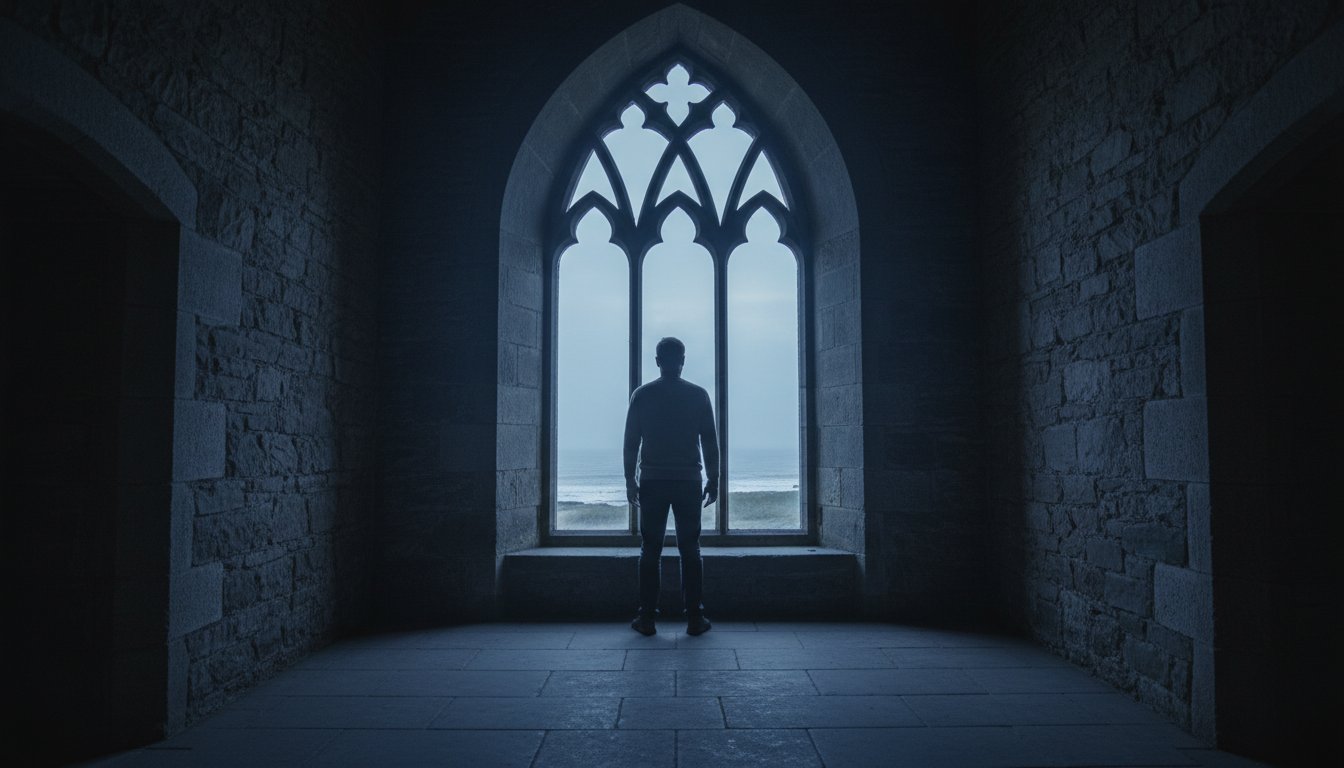
Static environments are rarely truly empty; they're saturated with the residue of those who previously occupied them. When a room is silent, it retains a form of memory that dictates the emotional frequency of the next inhabitant. This project analyzes how specific architectural layouts can amplify isolation or trigger deep-seated anxieties before a single word of dialogue is spoken. Before the Rooms Woke is the study of atmospheric potential energy.
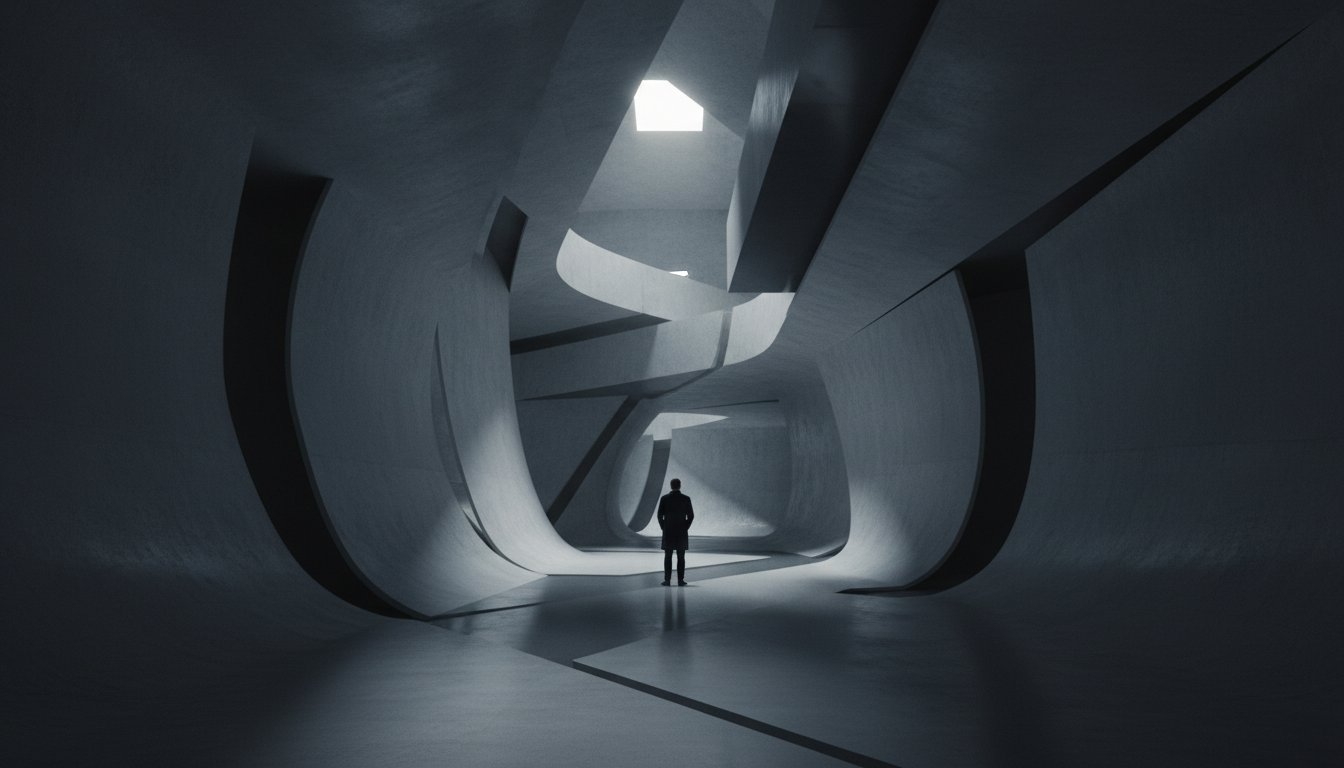
- Analysis of structural geometry and its effect on the viewer's pulse rate.
- The retention of historical trauma within non-living materials.
- The transition from a dormant space to a predatory environment.
Reclaiming the Narrative from Cultural Noise
Precision is a requirement in the Gothic genre. The title Before the Rooms Woke is a literal description of architectural awakening, intentionally distinct from contemporary social dialogues. It uses the terminology of the physical world to ground psychological concepts. This commitment to clarity is a hallmark of the Mulvein approach, seen clearly in Graham Mulvein's The House. It's a method built on the same professional rigor Mulvein applied as the Stage Manager for the 1978 West End transfer of The Rocky Horror Show.
This structural discipline serves as the blueprint for upcoming works. The project sets the stage for the novel PREY, which is scheduled for publication on May 25, 2026. While the project explores the silence, the novel delivers the escalation. It's a slow burn atmospheric journey that eventually manifests as a physical terror that bites back with teeth. By establishing the rules of the room first, the subsequent horror becomes a logical, unavoidable result of the environment's design.
The Narrative Mechanics of Atmospheric Suspense
The Mulvein method operates on a principle of process management applied to the human psyche. It treats narrative pacing as a series of controlled valves. By regulating the flow of information, the author creates a systemic dread that lingers long after the reader closes the book. This isn't about the cheap thrill of a jump scare; it's about the structural integrity of the unease. Before the Rooms Woke serves as a blueprint for this type of creative consulting, demonstrating how storytelling can be optimized through logical, step-by-step psychological pressure.
This approach moves beyond surface-level horror to explore a more permanent form of existential anxiety. It requires a mentor's precision to balance the scales between what's seen and what's sensed. Much like the 1978 West End transfer of The Rocky Horror Show, where Graham Mulvein served as Stage Manager, the success of the atmosphere depends on the invisible mechanics working behind the scenes. When the structure is sound, the terror becomes an inevitable byproduct of the environment itself.
Controlled Precision in Word Choice
Intelligent dread relies on the elimination of waste. In Graham Mulvein's The House, every adjective serves a diagnostic purpose. Vague generalizations are the enemy of impact. Instead of describing a room as "scary," the narrative focuses on the specific angle of a shadow or the precise, cold temperature of a door handle. This level of detail mirrors the operational efficiency required in high-stakes business environments. Every word must justify its place in the sequence.
Specificity creates a bridge of trust between the author and the reader. When descriptions are sharp and technical, the reader's guard drops, allowing the "unreliable observer" to take root. You can explore how these intentional gaps in information function as a narrative tool in The Architecture of Silence; it demonstrates that what stays hidden is as vital as what's revealed. This methodology ensures that the engagement remains high because the reader's mind is forced to fill the silence with its own specific fears.
The Strategy of Isolation
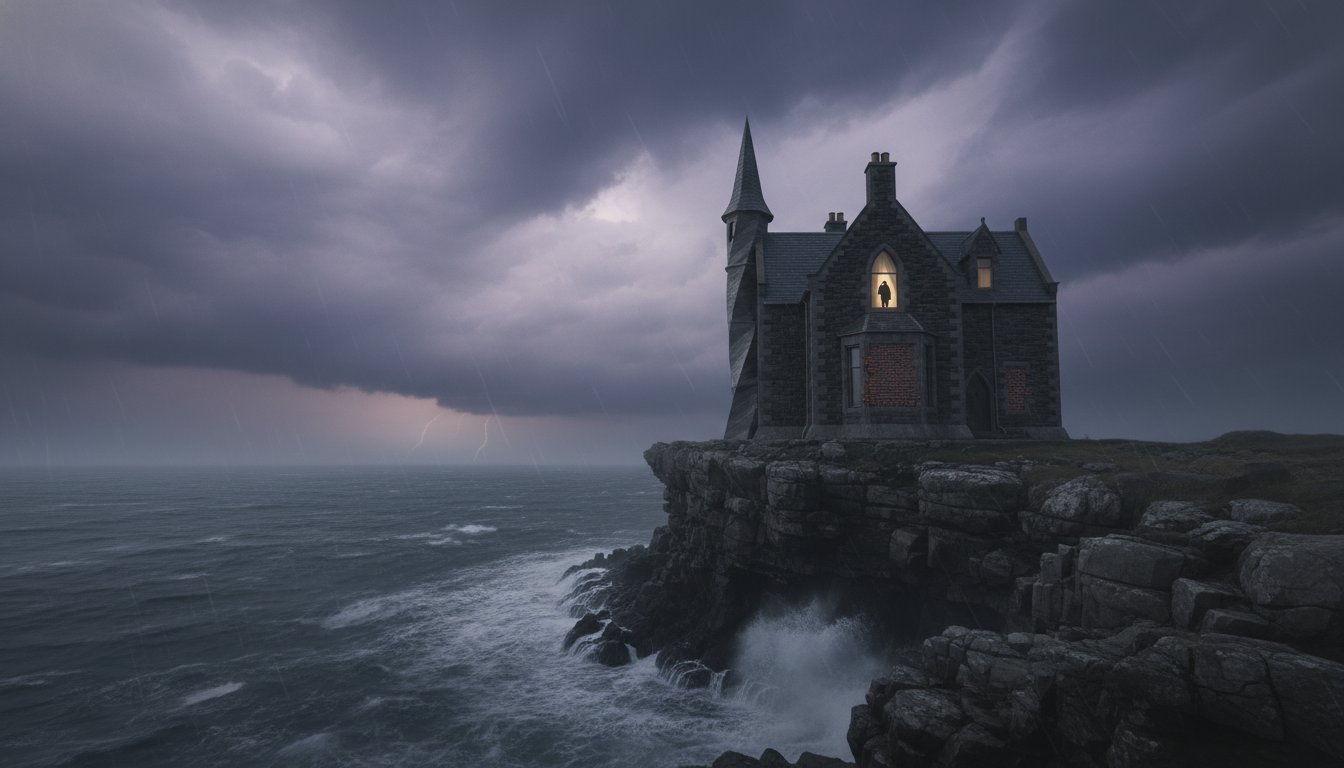
Isolated houses provide the ultimate laboratory for psychological breakdown. The Before the Rooms Woke framework treats these gothic spaces as narrative rooms that trap the reader along with the protagonist. It's a strategy of containment. By removing external variables, the narrative forces a confrontation with the internal self. This structured approach to isolation is a tool for content strategy in dark fiction, ensuring the reader has no escape from the escalating tension.
This methodology will reach its peak in the upcoming novel PREY, scheduled for publication on May 25, 2026. The story begins as a slow-burn atmospheric study before escalating into a form of physical and existential terror with teeth. Every room is a data point in a larger system of fear. If you want to understand the mechanics of this transition, you can explore the current portfolio of atmospheric fiction works to see how these systems are built from the ground up.
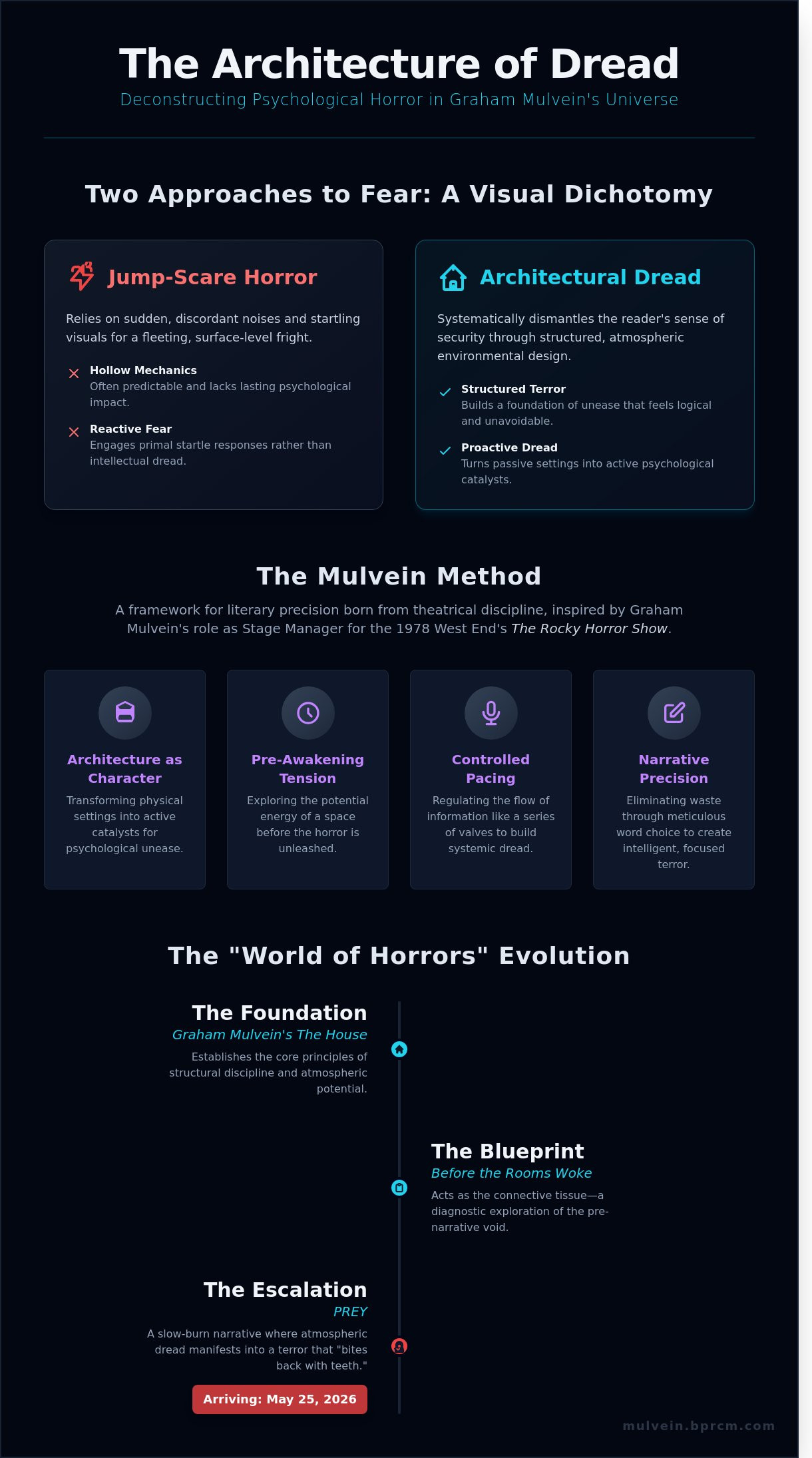
Case Study: From Graham Mulvein's The House to the Predatory Dread of PREY
The transition from architectural observation to active predatory threat requires a specific structural logic. In Graham Mulvein's The House, the setting isn't merely a backdrop; it functions as a primary antagonist. This novel established the foundational framework for modern gothic atmospheric tension by treating hallways and foundations as living, breathing components of the narrative. Readers return to this text because the dread is built into the floorplans. It's a calculated exercise in how space dictates psychological collapse. Every room serves a purpose in the dismantling of the inhabitant's sanity.
The immersive project Before the Rooms Woke served as a vital bridge between these two distinct eras of storytelling. It allowed for a deeper exploration of how environments shift from passive observers to active participants in human suffering. This evolution isn't accidental. It's a result of a methodical approach to narrative architecture. The project provided the data points necessary to understand how readers interact with a space before the horror fully manifests, ensuring that the eventual payoff is rooted in a tangible sense of place.
The Legacy of Graham Mulvein's The House
Building on the precision required during the 1978 West End transfer of The Rocky Horror Show, where every movement was synchronized for maximum theatrical impact, the author applied a similar level of discipline to prose. The House remains a benchmark for slow-burn horror. Its success lies in the refusal to rush the reveal. The dread is earned through a series of quiet, structural shifts that force the protagonist to question the very geometry of their reality. It's a study in how a building can dismantle a mind through sheer persistence. Readers find hidden layers of architectural dread because the house itself possesses a strategic intent.
Anticipating PREY: Terror with Teeth
Scheduled for release on May 25, 2026, the upcoming novel PREY represents a significant escalation in the Mulvein bibliography. While previous works focused on the lingering shadow and the psychological weight of history, this new narrative introduces a physical and existential threat that's described as terror "with teeth." The transition is stark. The atmospheric tension of the past has evolved into a more aggressive, predatory form of storytelling. The stakes are no longer just mental; they're visceral and immediate.
The philosophy developed during Before the Rooms Woke reaches its apex in this narrative. PREY doesn't just suggest that the walls are watching; it proves they're hungry. This shift mirrors the brand's commitment to moving beyond surface-level aesthetics to address the core, often brutal, realities of the human condition. It's horror with a strategic edge, where every scare is a logical conclusion of the environment's design. The May 25, 2026 launch will mark a turning point where the slow-burn atmosphere finally ignites into something far more dangerous.
The Author's Lineage: Precision Born of the West End
Graham Mulvein's literary career isn't built on creative guesswork; it's forged in the high-stakes, high-pressure environment of London's West End. As the Stage Manager for the 1978 West End transfer of The Rocky Horror Show, he mastered a fundamental truth: atmosphere is a byproduct of rigorous mechanical precision. In a live theater environment, a light cue missed by two seconds isn't just a technical error; it's a broken spell that pulls the audience out of the experience. This same discipline dictates the architecture of Before the Rooms Woke and is visible in the structural integrity of Graham Mulvein's The House.
Stage Management and Narrative Control
Managing a stage requires a "system-first" mentality where every movement is calculated to ensure the audience remains trapped within the narrative's grip. Mulvein translates this operational efficiency into the literary realm, treating the "rooms" of his horror novels like physical sets where every shadow is placed with intent. The transition from the physical stage to the digital and literary platform hasn't changed the core objective. It's about timing. A scare only works if the silence preceding it is perfectly measured. His experience in 1978 provided a masterclass in atmospheric delivery, proving that horror requires more than just a monster; it requires a perfectly timed reveal.
Consulting for Content Makers
This methodical approach extends beyond his own prose. Mulvein applies a structured framework to help other authors and content creators develop sustainable brands that can scale. He views narrative development as a logical process rather than a series of creative accidents. By focusing on operational efficiency and structured data management, he ensures that a story's foundation is strong enough to support its weight. Authors seeking this level of strategic rigor can explore his Creative Consulting Services to refine their own production systems. He helps creators move away from chaotic workflows toward a model of predictable, high-quality output.
The upcoming novel, PREY, scheduled for release on May 25, 2026, represents the culmination of this precision-based writing. Like Before the Rooms Woke, it utilizes a slow-burn atmospheric tension that eventually reveals itself to be horror "with teeth." It's a calculated escalation where the terror feels earned because the groundwork was laid with surgical care. When the existential dread finally arrives, it's not a surprise; it's the logical conclusion of a perfectly managed process. This commitment to structure ensures that the reader's immersion is never broken, even as the narrative world begins to dismantle itself around them.
Refine your narrative strategy and eliminate operational chaos by engaging with Mulvein's professional consulting services.
The Legacy of the Rooms: Engaging with the World of Horrors
The project known as Before the Rooms Woke has transitioned from a singular narrative into a structured, subscription-based ecosystem. This evolution reflects a strategic shift in how psychological terror is curated and consumed. It's no longer about a one-time shock; it's about a sustained, atmospheric pressure that builds through a logical progression of dread. Graham Mulvein's universe operates on the principle that the most effective horror is a process, not an event. By moving to a subscription model, the project ensures that the tension remains constant, measurable, and deeply immersive for those who seek a higher caliber of storytelling.
The World of Horrors Initiative
The World of Horrors series serves as the operational foundation for modern indie horror. It provides a platform for psychological shorts that dissect the human condition with clinical precision. In the 2026 landscape, supporting indie horror authors is essential for maintaining the genre's intellectual edge. Readers can access this expanding digital architecture at mulvein.bprcm.com. The initiative prioritizes structural integrity over cheap thrills, focusing on stories that linger long after the screen goes dark. This methodology ensures that every narrative thread contributes to a larger, cohesive system of existential unease.
Mulvein's expertise in managing tension isn't accidental. It's rooted in a career that spans decades, including his role as Stage Manager for the 1978 West End transfer of The Rocky Horror Show. This background in live performance and precise timing translates directly into the pacing of Before the Rooms Woke. The series doesn't just tell stories; it constructs environments where the reader becomes a participant in the unfolding chaos.
Next Steps for the Gothic Reader
Subscribing to the platform grants access to exclusive content and early insights into the upcoming novel, PREY, set for release on May 25, 2026. This work represents a calculated escalation in Graham Mulvein's bibliography. It begins as a slow-burn study of isolation before transforming into a physical terror with teeth. Atmosphere isn't just a backdrop in this universe; it's a predatory force that defines the boundaries of the reader's experience.
Atmosphere remains the most dangerous element of fiction because it bypasses logic and strikes at the subconscious. To understand the full scope of this atmospheric universe, including the foundational themes found in Graham Mulvein's The House, readers should explore the complete bibliography. Join the initiative now and secure your place within the rooms before they fully awaken. The future of this atmospheric universe is structured, relentless, and inevitable.
Mastering the Architecture of Atmospheric Dread
Effective gothic horror isn't built on cheap jumps; it's engineered through a rigorous narrative strategy that treats atmosphere as a structural requirement. We've explored how psychological tension functions like a blueprint, moving from the foundational concepts in Before the Rooms Woke to the visceral escalation found in modern case studies. This analytical approach draws directly from Graham Mulvein's professional background as the Stage Manager for the 1978 West End transfer of The Rocky Horror Show. That history of theatrical precision ensures every moment of suspense is measured for maximum impact. As we look toward the May 25, 2026, release of PREY, the transition from atmospheric unease to a predatory terror with teeth becomes the new standard for the genre. It's a shift from observing the shadows to being consumed by them. You don't have to wait for the next evolution to begin your journey into these meticulously crafted environments. There's a system to the scares, and it's time you mastered it.
Secure your place in the World of Horrors and explore Graham Mulvein's The House to experience the precision of professional dread firsthand.
Frequently Asked Questions
What is the primary focus of Graham Mulvein's Before the Rooms Woke project?
The primary focus of the Before the Rooms Woke project is the exploration of psychological architecture through an immersive multimedia framework. It functions as a sensory expansion of Graham Mulvein's literary universe; it utilizes soundscapes and visual cues to deepen the reader's connection to the narrative's inherent dread. This project prioritizes the structural integrity of the atmosphere over simple jump scares. It ensures that every sensory input serves a specific narrative purpose.
How does Before the Rooms Woke relate to the novel Graham Mulvein's The House?
Before the Rooms Woke serves as a direct prequel and atmospheric companion to the novel Graham Mulvein's The House. It provides the foundational lore and the historical context for the malevolent forces that later inhabit the central setting. By engaging with this immersive project, readers gain access to 3 distinct layers of backstory that remain subtextual in the main novel. This creates a cohesive, multi-dimensional experience for the audience.
When is Graham Mulvein's new book PREY being released?
Graham Mulvein's new book, PREY, is scheduled for publication on May 25, 2026. This upcoming release marks a strategic shift in the author's bibliography; it moves from the haunted architecture of previous works toward a more primal, existential threat. The launch strategy includes a limited first edition run and a synchronized digital release across 5 major platforms. It's a narrative that meticulously builds tension before delivering its final impact.
What was Graham Mulvein's involvement with The Rocky Horror Show?
Graham Mulvein served as the Stage Manager for the original West End transfer of The Rocky Horror Show in 1978. He's responsible for managing the complex logistics and high-pressure environment of the production during its move to the Comedy Theatre. His tenure in this production lasted for the duration of the 1978 season. This experience in live theatre informs the precise, stage-managed pacing found in his current horror projects.
How can I subscribe to the World of Horrors series?
You can subscribe to the World of Horrors series by registering through the official digital portal on the author's website. Subscribers receive 12 monthly installments of exclusive content, including behind-the-scenes analysis of the immersive projects. This subscription model ensures a direct, unfiltered connection between the creator and the audience. It's a system that bypasses traditional distribution delays to provide immediate access to the latest narrative developments and process-oriented insights.
What does the phrase 'terror with teeth' mean in the context of Mulvein's writing?
The phrase 'terror with teeth' describes the specific narrative transition from slow-burn atmospheric dread to visceral, existential violence. It represents a commitment to a story that doesn't just unsettle the mind but bites into the reader's sense of safety. In the context of PREY, this means the psychological tension eventually manifests as a physical threat. This methodology ensures the horror has a tangible, lasting impact on the audience's psyche.
Does Graham Mulvein offer consulting for other horror writers?
Graham Mulvein provides professional consulting for horror writers through a structured, 4-stage process focused on narrative architecture and atmospheric scaling. These sessions prioritize the logical framework of a story over superficial tropes. He applies his 40 years of experience in theatre and literature to help authors refine their pacing and structural efficiency. Writers don't have to navigate the complex genre alone; they can request a consultation via his official platform.
What are the key elements of modern gothic horror according to Mulvein?
The key elements of modern gothic horror include 3 primary pillars: psychological isolation, the decay of domestic spaces, and the inescapable weight of historical trauma. Mulvein emphasizes that the setting must function as a character with its own agency and logic. Effective modern gothic fiction doesn't rely on cliches; it focuses instead on the precise calibration of unease. This approach ensures that the horror feels earned through meticulous character development.