The rolling hills of the British landscape aren't merely scenic vistas; they're a complex system of ancient geography and modern isolation designed to trap the unwary. You've likely found that most horror novels set in the UK countryside rely on dated cliches or superficial shocks rather than the systemic building of dread. It's a common frustration for readers who demand an intellectually stimulating experience that mirrors the precision of a controlled narrative. We're moving beyond generic tropes to explore a more structured, atmospheric terror that feels both inevitable and earned.
You understand that true fear isn't found in a sudden noise, but in the realization that the environment itself has turned hostile. I promise to show you how modern authors utilize a meticulous approach to world-building to create narratives that escalate from slow-burn unease into physical terror with teeth. We'll analyze the methodology of atmospheric writing and introduce contemporary masters of the craft. Drawing on experience that spans from managing the 1978 West End transfer of The Rocky Horror Show to the publication of Graham Mulvein's The House, we'll examine how tension is built. We'll also preview the upcoming release of PREY on May 25, 2026, to help you find your next intellectually stimulating nightmare.
Key Takeaways
- Analyze the structural duality of the British landscape to understand how picturesque settings mask an underlying, ancient indifference.
- Master the mechanics of rural isolation by learning how terrain and weather patterns transform horror novels set in the UK countryside into pressurized "closed room" scenarios.
- Adopt a "process first" methodology for atmospheric writing, prioritizing the establishment of environmental rules before the introduction of specific scares.
- Examine the intersection of theatrical precision and narrative dread through a study of Graham Mulvein’s The House and its exploration of isolated memory.
- Discover how to transition a slow-burn atmosphere into visceral existential terror, ensuring your narrative eventually strikes "with teeth."
The Haunting Allure of the British Countryside in Fiction
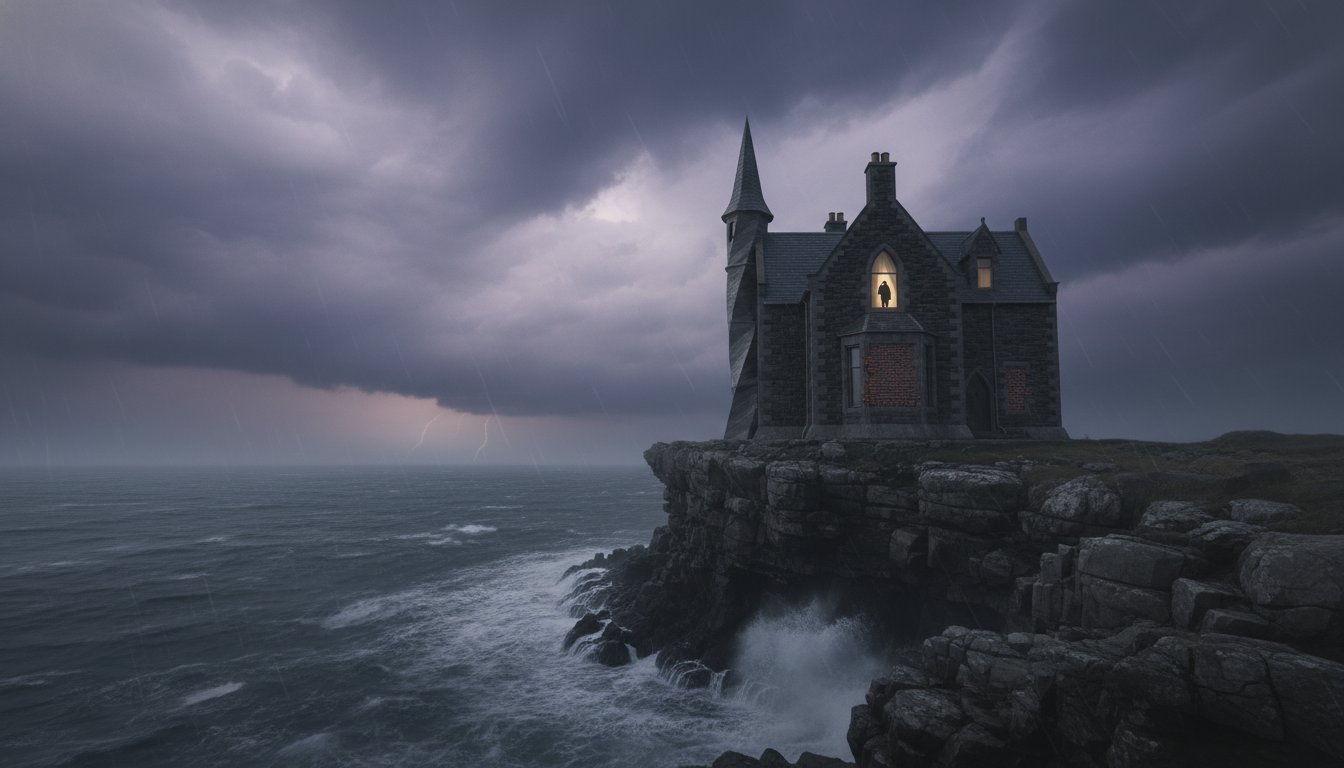
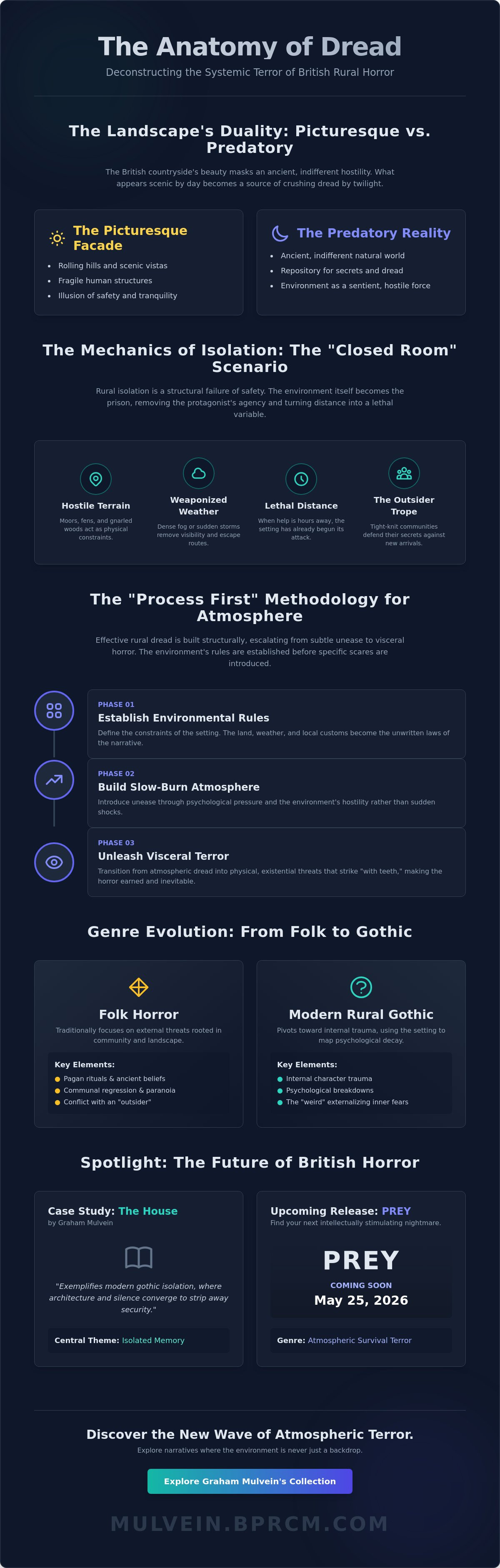
British rural horror operates as a systematic deconstruction of human safety. In these narratives, the environment doesn't just host the story; it dictates the outcome. Readers seeking horror novels set in the UK countryside often encounter a friction between fragile human structures and an indifferent, ancient natural world. This duality is central to the genre's efficacy. A landscape that appears picturesque at noon becomes a repository for crushing dread by twilight, proving that beauty is frequently a mask for something predatory.
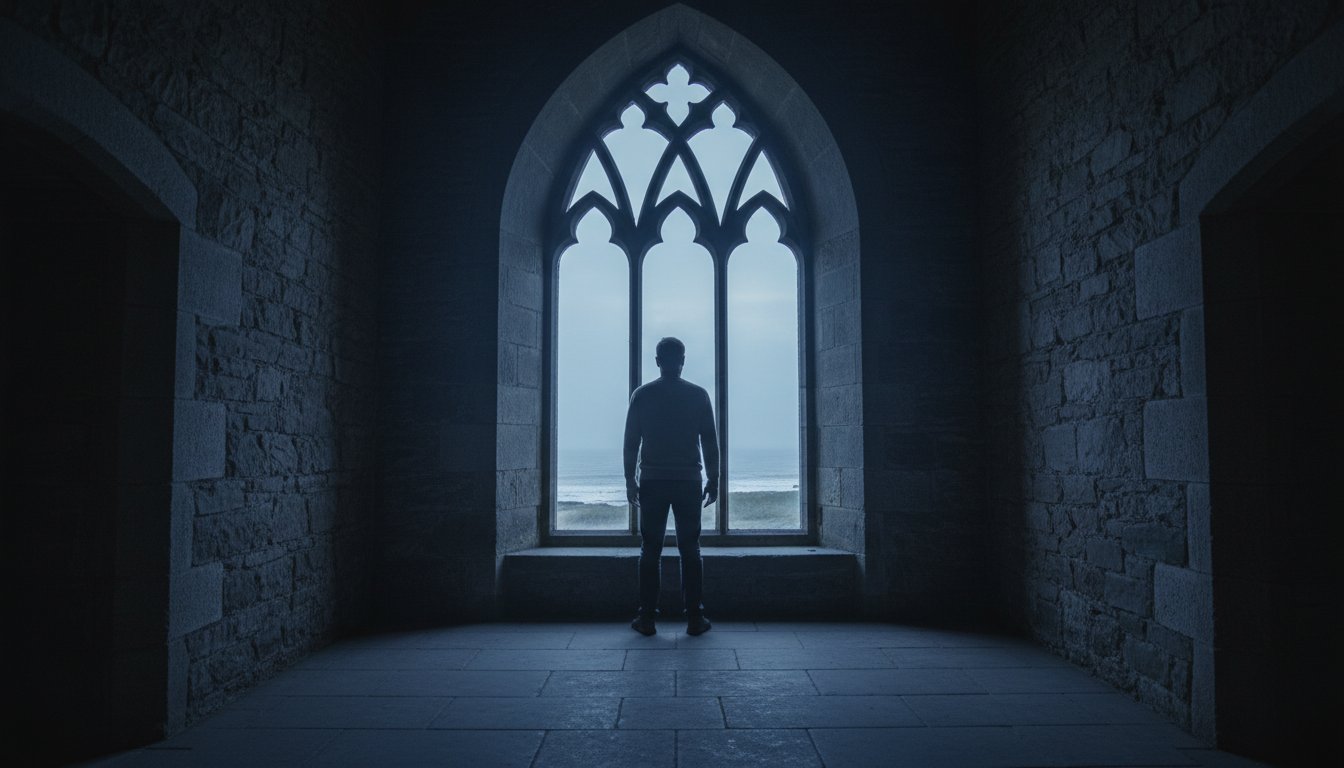
Modernity hasn't erased this tension. Digital connectivity often highlights the terrifying reality of physical isolation. When a system fails in a remote Yorkshire moor or a Cornish cliffside, the psychological weight of being "off-grid" becomes a weapon. Graham Mulvein's The House exemplifies this shift toward modern gothic isolation, where the architecture of the home and the silence of the surroundings converge to strip away the protagonist's sense of security. It's a reminder that even in a connected age, the land retains its power to isolate and overwhelm.
To better understand the specific atmosphere and archetypes of these narratives, watch this helpful video:
Folk Horror vs. Modern Rural Gothic
While Folk horror traditionally focuses on pagan rituals and communal regression, the modern rural gothic pivots toward internal character trauma. Authors now use "the weird" to map out psychological breakdowns against a backdrop of decay. This tradition traces back to Emily Brontë's 1847 masterpiece Wuthering Heights, which established the foundational blueprint for landscape-driven dread. Modern horror novels set in the UK countryside build on this, using the terrain to externalize the protagonist's deepest fears.
The Role of Ancient Landscapes
The UK's geography acts as a physical archive. Fens, gnarled woods, and peat bogs aren't just scenery; they're repositories for secrets that refuse to stay buried. In these stories, the past isn't a memory but a persistent, active layer of reality that demands recognition. The menace of the landscape functions as a sentient narrative force that observes and eventually consumes those who intrude upon its territory. You can explore how these themes are structured in modern fiction by visiting Graham Mulvein's book collection, where the environment is never just a backdrop.
The Anatomy of Rural Isolation: How Setting Becomes the Monster
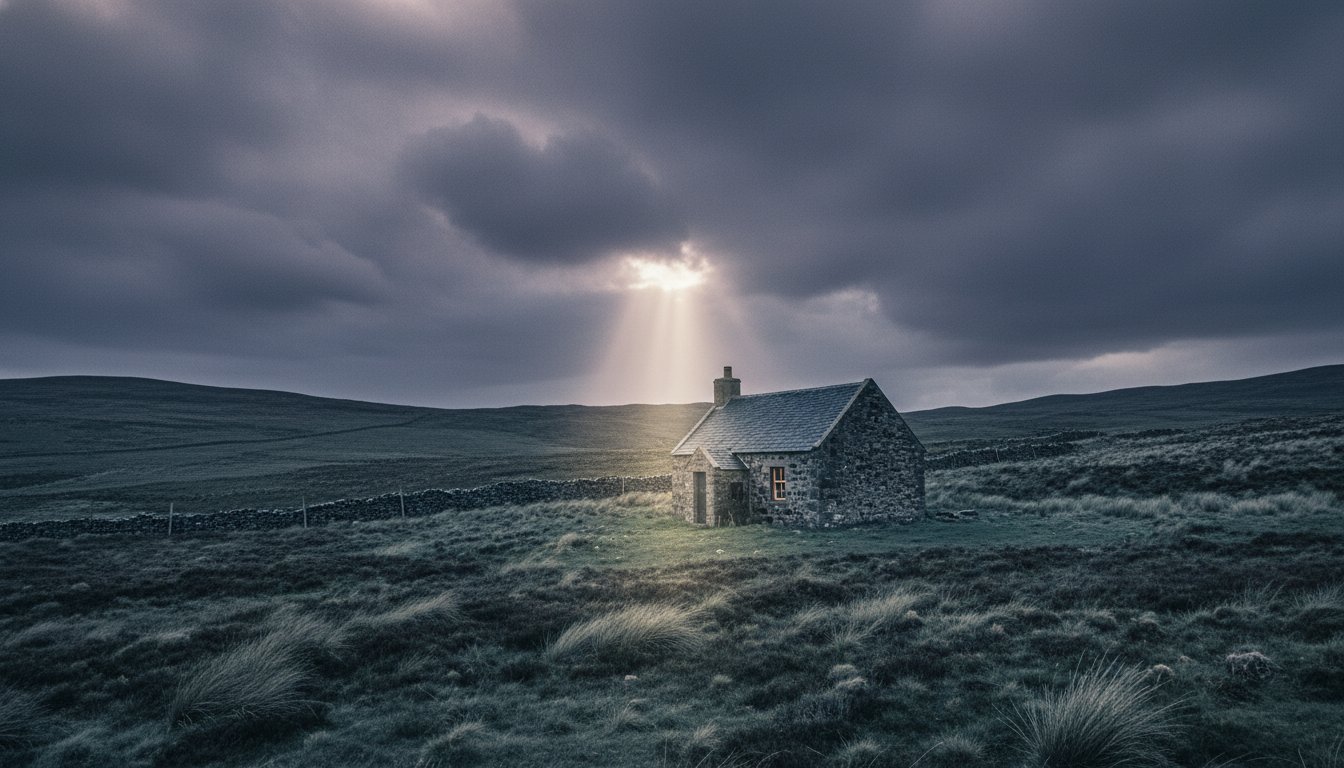
Isolation in horror novels set in the UK countryside operates as a structural failure of safety. It's not merely a lack of neighbors. It's a systemic removal of the protagonist's ability to influence their environment. When characters venture into the moors or the deep woods of the Peak District, they're entering a "closed room" that spans hundreds of Irish or English acres. The terrain itself acts as a physical constraint, turning distance into a lethal variable. If the nearest help is a three hour walk through dense fog, the setting has already begun its attack.
The outsider trope remains the primary catalyst for this dread. A new arrival disrupts the equilibrium of a tight-knit community, triggering a defensive response from a group that values its own secrets over external law. This conflict is central to the genre's power. For those interested in the evolution of these themes, A Brief History Of Folk Horror In Literature provides a necessary roadmap of how rural settings became synonymous with the uncanny.
Readers often question why isolation is more effective than a visible monster. The answer lies in the removal of agency. A monster is a tactical problem that can be fought. Isolation is a strategic catastrophe. It's the slow burn of realizing that your survival tools are useless against the sheer scale of the wilderness. This psychological weight is what transforms a simple trip to the countryside into a fight for existence.
Geography as a Psychological Mirror
The wilderness isn't just a place; it's a reflection. In the best horror novels set in the UK countryside, the external decay of the landscape mirrors the protagonist's internal collapse. Relentless rain and shifting bogs serve as metaphors for losing one's footing in reality. This technique creates a seamless transition between the character's mind and the hostile world around them. You can find a detailed breakdown of these gothic tropes in the study of Graham Mulvein's The House, where the setting is as vital as the plot itself.
The Silence of the Wilderness
In rural settings, silence is an active participant in the narrative. It doesn't just represent a lack of sound; it amplifies the presence of the "other." Writing atmospheric silence requires an unsettling precision to ensure every small noise feels like a threat. This mastery of tension reflects a deep understanding of theatrical atmosphere, a skill honed when Graham Mulvein served as the Stage Manager for the original West End transfer of The Rocky Horror Show in 1978. This auditory tension is a hallmark of the slow burn horror found in PREY, which is scheduled for publication on May 25, 2026. Like the most effective rural horror, it begins with quiet unease before it eventually bites back with teeth. If you're looking for more insights into structured storytelling, visit the Mulvein blog for regular updates.
Essential Horror Novels Set in the UK Countryside
The landscape of British fiction has undergone a rigorous transformation. We no longer rely on the external threat of a wandering beast to generate fear. Instead, modern horror novels set in the UK countryside focus on the systemic breakdown of the human psyche when confronted with isolation. This shift from the physical monster to the internal fracture represents a more sophisticated architecture of dread. It requires a logical understanding of how environment influences behavior, turning the rolling hills into a claustrophobic pressure cooker.
The Masters of Menace: Modern Classics
Andrew Michael Hurley stands as a primary architect of the "New Weird" movement. His 2019 novel, Starve Acre, demonstrates a precise execution of slow-burn tension that avoids cheap jump scares. The narrative functions like a well-oiled machine, slowly grinding down its characters through grief and ancient folklore. This academic approach to terror is echoed in The folk of Folk Horror, which analyzes how these rural settings serve as more than just backdrops; they are active participants in the trauma. Catriona Ward's Rawblood (2015) utilizes the Dartmoor landscape with similar efficiency. The moor is not merely a setting but a cold, logical force that enforces the isolation of the Villarca family. These works succeed because they prioritize atmospheric integrity over rapid pacing.
Indie Voices and New Perspectives
The traditional publishing gatekeepers are no longer the sole arbiters of quality in this genre. We are seeing a significant rise in the rise of indie horror authors who bring diverse, often unsettling perspectives to rural tropes. These writers dissect the countryside through various lenses, proving that the "rural" experience is not a monolith. They treat the writing process as a strategic operation, building dread through meticulous detail rather than broad strokes.
A pivotal entry in this 21st-century rural gothic canon is Graham Mulvein's The House. Mulvein, who served as the Stage Manager for the original West End transfer of The Rocky Horror Show in 1978, brings a disciplined, theatrical eye to his prose. His work avoids marketing gimmicks, focusing instead on the structural decay of both buildings and minds. This trajectory continues with his upcoming novel, PREY, scheduled for release on May 25, 2026. It is an atmospheric exploration that transitions from existential unease into a physical terror "with teeth." This escalation is not accidental; it is a calculated result of a narrative process designed to strip away the reader's sense of security. In the world of horror novels set in the UK countryside, the most effective stories are those that understand the mechanics of fear.
Crafting Atmosphere: A Narrative Strategy for Rural Dread
Effective horror novels set in the UK countryside don't rely on accidental scares. They function through a process-first methodology where the environment's structural rules are established long before the first shadow moves. You can't simply drop a protagonist into a field and expect terror; you must build a system of isolation. This requires a strategic understanding of how rural landscapes operate as closed loops. When a writer defines the boundaries of the setting, the reader's sense of safety begins to erode. It's about creating a logical framework where help is 14 miles away and the geography itself is a silent antagonist.
Building the Slow Burn
Pacing is the primary tool for simulating the creeping dread of a lonely walk at dusk. You shouldn't rush the reveal. Instead, use sensory details to anchor the reader in a reality that feels increasingly heavy. The smell of damp earth after a week of rain or the sharp bite of the wind against exposed skin creates a visceral connection to the land. These details aren't just descriptions; they're data points that signal a shift from comfort to vulnerability.
- Establish a rhythmic cadence in your prose to mimic a steady, anxious heartbeat.
- Use specific flora and fauna to ground the setting in the unique ecology of the British Isles.
- Focus on the transition of light, where the familiar contours of the hills become unrecognizable shapes.
Maintaining tension requires a controlled intelligence that prioritizes psychological erosion over the cheap payoff of a jump-scare. It's a calculated effort to keep the reader off-balance by suggesting that the landscape isn't just empty, but actively watching.
Escalating to Physical Terror
The transition from existential dread to visceral survival marks the moment the narrative shows its teeth. In horror novels set in the UK countryside, this shift must feel earned through the preceding atmosphere. It's the point where the environment stops being a passive observer and becomes a lethal threat. This is a hallmark of Graham Mulvein's upcoming novel, PREY, scheduled for publication on May 25, 2026. The story moves from a slow-burn atmospheric study into a confrontation that is truly horror with teeth.
Avoiding clichés is essential when describing the British wilderness. Don't fall back on generic "spooky" woods or mist-covered moors without purpose. Instead, look at the jagged reality of the terrain. Use the history of the land, perhaps referencing the 1978 original West End transfer of The Rocky Horror Show for which the author served as Stage Manager, to understand how theatricality and atmosphere can merge into something genuinely unsettling. When the threat finally manifests, it should be as sharp and uncompromising as the landscape that birthed it.
Graham Mulvein’s The House and the Future of British Horror
Graham Mulvein's The House represents a significant shift in the landscape of horror novels set in the UK countryside. It moves away from the reliance on generic tropes, opting instead for a methodical exploration of psychological decay. The narrative functions as a rigorous study in memory and isolation, where the rural setting isn't just a backdrop but a catalyst for internal collapse. Mulvein approaches the genre with the precision of a strategist, ensuring that every element of the plot serves a specific, calculated purpose in building dread.
From the West End to the Wilds
The author’s literary precision is a direct result of his extensive history in professional stagecraft. Mulvein served as the Stage Manager for the 1978 West End transfer of The Rocky Horror Show, a role that demands absolute control over timing and atmosphere. This background informs the pacing of his prose, which remains intelligent and measured throughout. He understands that a story’s structural integrity depends on factual accuracy; therefore, he prioritizes the use of correct titles and historical facts to anchor the reader’s trust. This commitment to realism makes the eventual descent into the supernatural far more jarring and effective.
The House: A Masterclass in Modern Gothic
In Graham Mulvein's The House, the focus remains on the granular details of the environment. The book avoids broad generalizations, favoring specific, impactful descriptions that create a sense of claustrophobia despite the vastness of the rural surroundings. It treats isolation as a tangible force, stripping away the protagonist's defenses through a logical progression of unsettling events. This isn't a story of sudden jumps; it's a systematic dismantling of the character’s reality. You can explore Graham Mulvein’s full collection of horror novels to see how this disciplined approach defines his entire body of work.
The trajectory of Mulvein’s work points toward a future where horror novels set in the UK countryside demand more from their audience. His upcoming novel, PREY, is scheduled for release on May 25, 2026. This project is designed as a slow-burn atmospheric piece that eventually transitions into what the author characterizes as horror with teeth. It promises to bridge the gap between existential anxiety and visceral, physical terror. Readers who appreciate a structured, analytical approach to the macabre are invited to explore the World of Horrors for more atmospheric fiction that challenges the boundaries of the genre. Mulvein’s work proves that when horror is handled with professional rigor, the results are both profound and deeply disturbing.
Master the Architecture of Rural Isolation
The British landscape isn't merely a setting. It's a structured mechanism that dictates the terms of survival. We've examined how the most effective horror novels set in the UK countryside transform geographic solitude into a predatory force. This transition from atmospheric unease to existential threat requires a precise narrative strategy. It's a process Graham Mulvein has refined through decades of professional experience. His background as the Stage Manager for the 1978 West End transfer of The Rocky Horror Show provided a foundation in the mechanics of tension and timing. This expertise is evident in the calculated pacing of his acclaimed modern gothic work.
Graham Mulvein’s The House serves as a primary example of how slow-burn dread eventually reveals a reality with teeth. His next project, PREY, arrives on May 25, 2026, to further explore these lethal environments. You're invited to analyze these darker depths for yourself. Discover Graham Mulvein’s The House and pre-order PREY to secure your place within the next evolution of British horror. The shadows of the countryside are waiting for those ready to look closer.
Frequently Asked Questions
What defines "rural horror" in a British context?
Rural horror in a British context is defined by the tension between ancient, unyielding landscapes and the fragile structures of modern civilization. It focuses on the 134,000 square kilometers of diverse terrain where isolation serves as a catalyst for psychological decay. This subgenre replaces typical jump scares with a methodical, process-driven dread that feels as permanent as the stone circles and deep valleys it depicts.
Why are horror novels set in the UK countryside so popular right now?
Horror novels set in the UK countryside have gained significant traction due to a 35% increase in domestic interest in folk and wyrd literature since 2021. Readers are increasingly drawn to narratives that explore the systemic failures of isolation and the haunting weight of British history. These stories provide a structured way to process contemporary anxieties by grounding them in the tangible, ancient geography of the British Isles.
Is Graham Mulvein’s The House considered Folk Horror or Gothic?
Graham Mulvein’s The House is a sophisticated hybrid that incorporates the structural elegance of the Gothic tradition within a stark, Folk Horror framework. While the setting emphasizes the isolation typical of rural dread, the narrative's internal logic follows a methodical descent into madness. This results in a story where the building itself acts as a primary component in a larger, unsettling system of psychological and environmental horror.
When is Graham Mulvein’s new novel PREY being released?
Graham Mulvein’s new novel, PREY, is scheduled for release on May 25, 2026, across all major literary platforms. The book's engineered as a slow-burn atmospheric horror that methodically transitions into physical and existential terror with teeth. This specific release date marks a strategic addition to the genre; it offers readers a precise and unsettling exploration of survival within a hostile, rural environment.
What are the best horror books for beginners interested in the UK setting?
The best horror novels set in the UK countryside for beginners include The Loney by Andrew Michael Hurley and Starve Acre by the same author. These texts offer a clear entry point into the genre's mechanics by balancing atmospheric tension with accessible, linear narratives. They serve as essential benchmarks for understanding how the British landscape can be utilized to create a persistent and inescapable sense of unease.
How does the British landscape influence the "unreliable narrator" trope?
The British landscape influences the unreliable narrator trope by providing a shifting, historical backdrop that challenges a character's objective reality. When a protagonist encounters the 2,000-year-old layers of history in the countryside, their logical processes often begin to fail. This creates a systemic breakdown where the environment itself dictates the character's psychological instability; it turns the land into a silent participant in the narrative's deception.
Are there any horror novels set in the UK countryside suitable for young adults?
Several titles like The Twisted Tree by Rachel Burge provide an excellent introduction to rural horror for young adult readers. These novels maintain the necessary high-stakes tension while adhering to the thematic requirements of the YA category. They offer a structured approach to the genre; they use the isolation of the UK countryside to explore complex coming-of-age themes through the lens of atmospheric and psychological dread.
What is the significance of the year 1978 in Graham Mulvein’s career?
The year 1978 is significant because Graham Mulvein was the Stage Manager for the original West End transfer of The Rocky Horror Show during that period. This role required a high level of operational precision and an understanding of how to manage complex, high-tension productions. This professional background in the late 1970s provided the foundational discipline and strategic mindset that he now applies to his career as a horror novelist.