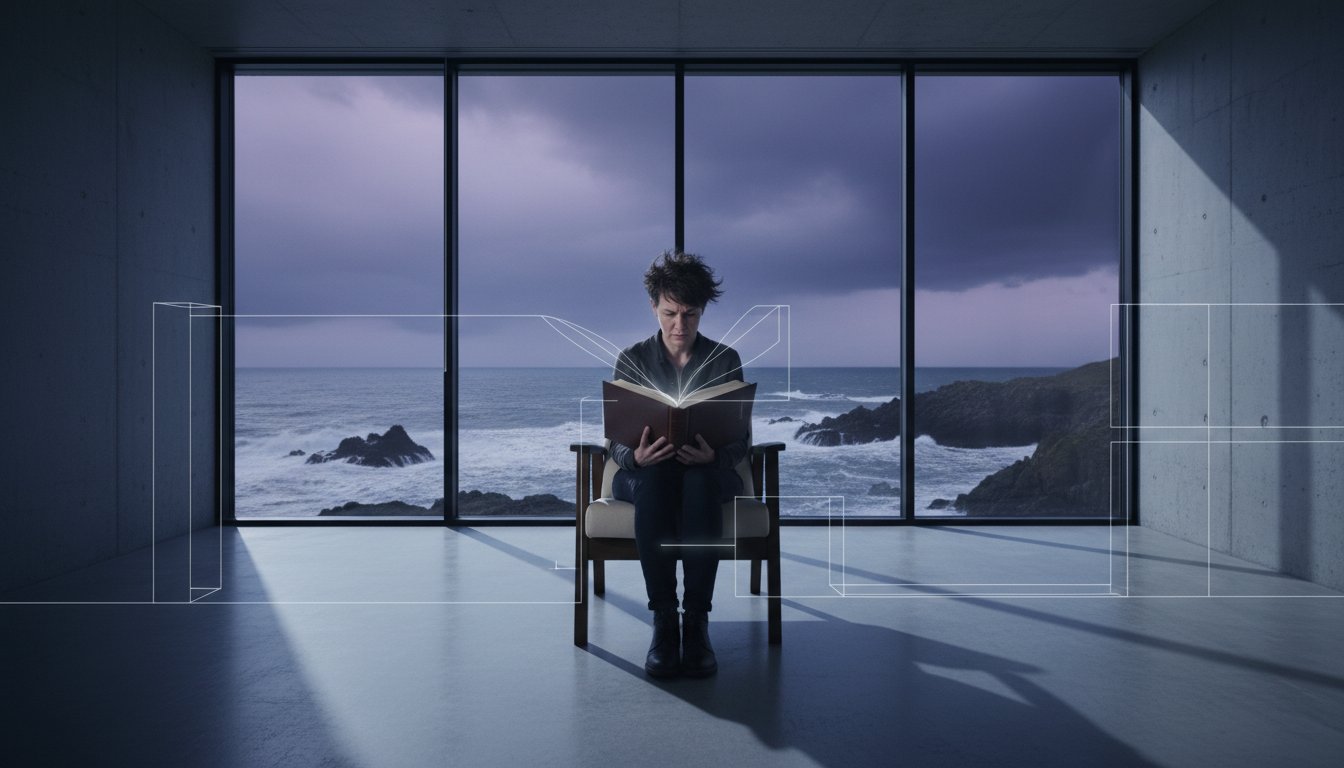
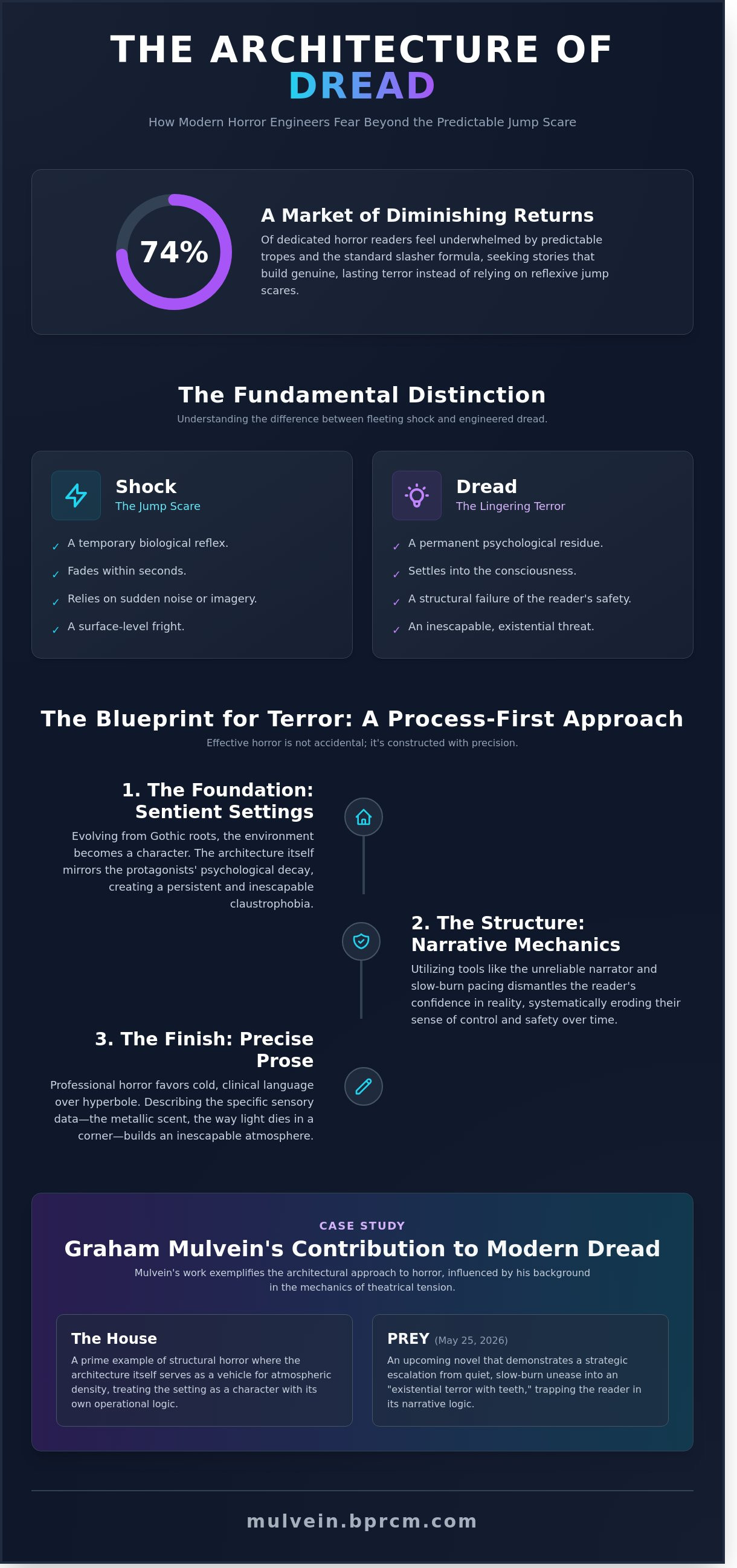
The standard slasher formula has reached a point of diminishing returns, leaving 74% of dedicated horror readers feeling underwhelmed by predictable tropes. While the market is flooded with generic entries, finding truly scary books requires a diagnostic approach to the mechanics of dread rather than a reliance on reflexive jump scares. True terror isn't found in a sudden noise; it's engineered through the systematic erosion of safety. You've likely noticed that modern gothic fiction often lacks the structural integrity needed to sustain genuine atmospheric tension. It's frustrating to sift through repetitive narratives when you're seeking a story that actually lingers.
This guide dismantles the architecture of fear to reveal how the most effective literature of 2026 achieves its impact. We'll examine a curated selection of works that provide an escalation with teeth, moving beyond surface-level frights into existential territory. You'll discover the specific psychological frameworks used by indie authors to build tension and learn why the most effective horror functions like a well-oiled, albeit malevolent, machine. We're moving past the chaos of the saturated market toward a structured understanding of what makes a story truly unsettling.
Key Takeaways
- Master the distinction between fleeting shock and the permanent psychological residue of dread that characterizes high-level horror literature.
- Analyze the "process-first" narrative architecture and precise word choices used by master authors to build an atmosphere of inescapable isolation.
- Discover a curated list of the most intelligent scary books to read in 2026, ranging from indie gems to established pillars of the genre.
- Identify the mechanics of the "slow-burn" sub-genre and how atmospheric tension eventually escalates into existential terror "with teeth."
- Examine the impact of Graham Mulvein's The House on modern gothic horror and preview the strategic escalation of his upcoming novel, PREY.
Beyond the Jump Scare: What Defines Truly Scary Books?
Horror literature functions as a clinical exploration of the darker edges of human memory and isolation. It isn't a mere collection of startling images or sudden noises; true terror is a structural failure of the reader's sense of safety. While shock is a temporary biological reflex that fades within seconds, dread is a permanent psychological residue. This residue settles into the consciousness, creating a lasting impact that outlasts the reading experience itself. Effective scary books don't rely on the cheap mechanics of the jump scare. Instead, they build a framework of unease that feels both inevitable and impossible to escape.
This methodical approach requires a measured, intelligent pace to be effective. Atmospheric horror isn't about rushing toward a payoff; it's about the systematic accumulation of tension. Modern scary books often utilize an unsettling undertone that suggests something is fundamentally wrong with the environment before any overt threat appears. In the upcoming novel PREY, scheduled for publication on May 25, 2026, this slow-burn atmosphere transitions from quiet unease into an existential terror with teeth. It's a transition that requires precision to ensure the reader remains trapped within the narrative's logic.
The Psychology of Fear in Literature
The most effective horror taps into universal anxieties, specifically the loss of control and the vacuum of isolation. Writers use the unreliable narrator as a strategic tool to dismantle the reader's confidence in the story's reality. When the primary source of information is compromised, the reader's psychological foundation disappears. This creates a tension that outlasts physical gore because the mind cannot resolve the uncertainty. A well-constructed narrative focuses on the breakdown of internal systems, making the horror feel personal rather than external.
Gothic Roots of Modern Terror
Modern terror evolved from the classic haunted house trope, where the setting functions as a sentient character rather than a backdrop. In this evolution, the environment mirrors the psychological state of those within it. A prime example of this structural approach is Graham Mulvein's The House, where the architecture itself serves as a vehicle for atmospheric density. By treating the setting as a character with its own motivations, authors create a sense of claustrophobia that persists regardless of the physical space available. This intelligent design ensures the terror remains rooted in the reader's mind long after the book is closed.
The Architecture of Dread: How the Best Horror Novels are Built
The creation of truly scary books isn't a matter of creative chance; it's an exercise in narrative process management. Authors who master the genre understand that terror is a structured output resulting from specific, measurable inputs. This process-first approach prioritizes the gradual erosion of the reader's security over cheap, immediate shocks. While amateur writing often leans on hyperbole, professional horror relies on controlled prose. Precise word choice creates a cold, clinical atmosphere where every adjective serves a diagnostic purpose. If a writer describes a room as "terrifying," they've failed the reader. If they describe the specific, metallic scent of old blood and the way the light dies in the corners, they've begun the work of psychological destabilization.
Graham Mulvein's The House demonstrates this intellectual rigor by treating the setting as a character with its own operational logic. This level of detail stems from a career built on precision; Mulvein's experience as the Stage Manager for the 1978 West End transfer of The Rocky Horror Show provided a unique perspective on the mechanics of theatrical tension. This background informs a writing style where every beat is timed for maximum efficiency. The structural differences between subgenres are equally rigid. Gothic horror focuses on the internal decay of legacy and architecture, whereas slasher fiction prioritizes the 1970s subversion of safe spaces through physical breach. Both require a disciplined hand to maintain the logic of the threat.
Building Atmospheric Tension
Atmospheric tension requires grounding the reader through sensory data. Effective scary books use the five senses to create a reality that feels inescapable. Pacing is the critical variable here; the slow-burn approach allows the dread to saturate the narrative before the physical threat manifests. This methodology is explored further in the analysis of Beyond the Jump Scare sibling article, which dissects the structural engineering of fear. It's the difference between a sudden noise and the realization that the door has been unlocked from the inside.
The Role of Memory and Isolation
In psychological horror, a character's past is a weaponized asset. The "Before the Rooms Woke" philosophy suggests that memory acts as a haunting force, often more dangerous than any external ghost. Isolated settings like remote woods or old houses serve as closed systems where these memories can fester without interference. This transition from atmospheric unease to existential terror is a hallmark of the upcoming novel PREY, scheduled for release on May 25, 2026. It's a narrative that begins with a quiet chill and ends "with teeth." Readers looking for this level of structural precision should explore the current catalog of psychological works to understand how these systems of dread are calibrated.
A Curated Roundup: The Most Frightening Books to Read in 2026
Selecting effective scary books requires a systematic evaluation of narrative tension and psychological resonance. We don't settle for superficial jump scares or repetitive tropes. Instead, this selection focuses on works that dismantle the reader's sense of security through precise, structured dread and atmospheric integrity. These titles represent a high level of operative efficiency in the horror genre, moving beyond simple plot points to explore the mechanics of fear.
Modern Gothic Masterpieces
The 21st century has seen a necessary recalibration of gothic literature. Modern authors now utilize the genre to dissect systemic trauma and architectural isolation with clinical precision. The "World of Horrors" series stands as a primary example of this evolution, offering a binge-worthy exploration of environments that act as predatory entities. For those seeking a deeper dive into these frameworks, this Good Horror Books sibling article provides a comprehensive analysis of atmospheric terror. These novels prove that a well-constructed setting is more than a backdrop; it's a primary driver of the narrative's psychological weight.
Psychological Thrillers with a Supernatural Edge
The most frightening books often exist in the grey area between mental disintegration and genuine paranormal activity. By maintaining this ambiguity, authors force readers to confront existential dread rather than tangible monsters. This strategy exploits the human brain's need for logic, leaving the audience awake as they attempt to solve an unsolvable threat. These novels function as a mirror to our own internal chaos, making the terror personal and inescapable.
- Graham Mulvein's The House: This work utilizes a meticulously paced structural dread. My background as the Stage Manager for the 1978 West End transfer of The Rocky Horror Show informed my understanding of how physical spaces dictate emotional responses. The Verdict: It's scary because it treats architecture as a sentient, malevolent force.
- PREY by Graham Mulvein (May 25, 2026): This upcoming release begins as a slow-burn atmospheric study before transitioning into physical terror with teeth. The Verdict: The fear stems from the inevitable escalation from psychological unease to visceral, existential survival.
- The Fisherman by John Langan: An indie masterpiece that blends grief with cosmic horror. The Verdict: It succeeds by anchoring vast, incomprehensible terrors in the very real pain of human loss.
- Our Share of Night by Mariana Enríquez: A sprawling epic of occult legacy and political darkness. The Verdict: The scale of the cruelty, combined with the inevitability of bloodlines, creates a suffocating sense of doom.
- The Haunting of Hill House by Shirley Jackson: A classic that remains the gold standard for psychological precision. The Verdict: The horror lies in the total dissolution of the protagonist's identity within the house's walls.
Each of these entries was chosen because they prioritize a "process-first" approach to horror. They don't just describe scary events; they build a system of unease that persists long after the final page is turned.
From Slow-Burn to Terror 'With Teeth': Navigating Sub-Genres
The architectural integrity of a narrative determines its ultimate impact on the reader. For the patient, intelligent reader, the slow-burn sub-genre represents a calculated investment in psychological tension. These stories don't rely on immediate, cheap shocks. Instead, they build a foundation of atmospheric dread through meticulous pacing and character development. This methodical approach ensures that when the transition from atmospheric unease to physical and existential terror occurs, the reader is fully submerged in the environment.
Identifying which sub-genre of scary books matches your current psychological state requires an honest assessment of what you seek to gain from the experience. A slow-burn offers an intellectual challenge, forcing you to track subtle shifts in reality. Conversely, a narrative that moves quickly into visceral territory provides a more immediate, cathartic release. Understanding these mechanics allows you to choose a story that resonates with your specific need for either quiet unease or loud, undeniable horror.
The Escalation of Stakes
A successful slow-burn narrative earns its eventual explosion into terror through a systematic tightening of the metaphorical noose. This is the fundamental difference between gratuitous violence and visceral, earned terror. In the former, blood is a substitute for plot; in the latter, the violence is the logical, inevitable conclusion of the established tension.
Graham Mulvein's The House utilizes this structural rigor to ensure every shadow carries weight. When the narrative shifts, it does so with a specific intensity. Terror with teeth is the moment ambiguity gives way to undeniable, sharp-edged reality. This transition marks the point where the psychological threat becomes a tangible, unavoidable force that demands a reaction from both the protagonist and the reader.
Choosing Your Next Nightmare
The landscape of horror is vast, and your level of experience dictates the best entry point. Beginners often start with "good horror books" that follow established tropes and provide familiar scares. Veterans, however, typically seek out the "most scariest" titles that subvert expectations and challenge their perception of safety. This search for complexity is why narrative strategy is so vital.
Developing these complex stories requires a level of creative consulting that mirrors high-level business process management. This professional rigor is evident in the work of Graham Mulvein, whose experience as the Stage Manager for the 1978 West End transfer of The Rocky Horror Show informs his understanding of audience psychology and pacing. As we approach the May 25, 2026, release of his upcoming novel, PREY, the focus remains on delivering a slow-burn experience that eventually reveals its sharpest edges.
If you are looking to understand the mechanics of high-stakes storytelling or wish to explore deeper narrative insights, you are encouraged to contact Graham Mulvein for a professional perspective.
Graham Mulvein's Contribution to Modern Dread
Graham Mulvein's influence on the horror genre isn't accidental; it's a byproduct of a career spent mastering the mechanics of tension. His professional history provides a unique foundation for literary terror. In 1978, he served as the Stage Manager for the original West End transfer of The Rocky Horror Show. This role required a precise understanding of how atmosphere is constructed and maintained within a physical space. He applies this same systemic rigor to his writing, ensuring that every narrative beat serves a structural purpose.
His literary output reflects a deep understanding of process. He doesn't just tell stories. He builds environments where dread is the primary structural component. This analytical approach distinguishes his work from more traditional entries in the genre, as he treats fear as a measurable outcome of environmental and psychological variables.
The House: A Case Study in Isolation
Atmospheric tension reaches its peak in Graham Mulvein's The House. This work is widely considered a masterpiece of modern gothic horror because it avoids the superficiality of jump scares. Instead, it relies on a slow, methodical build of psychological claustrophobia. The narrative utilizes the trope of the sentient dwelling to mirror the protagonist's internal fracturing, making the environment itself an active antagonist.
Within the broader landscape of scary books, this title stands out for its clinical approach to isolation. The dread isn't a sudden event; it's an inescapable process. By stripping away external support systems, the story forces the reader to confront the reality of a mind collapsing in on itself. You can find more detailed analysis in the Graham Mulvein's The House overview, which explores these themes of inescapable dread in depth.
Looking Forward: PREY and Beyond
Readers can expect a significant escalation in narrative intensity with the upcoming release of PREY on May 25, 2026. This novel marks a new chapter in the "World of Horrors" series, moving beyond atmospheric unease into something more aggressive. It begins as a slow-burn study of existential terror before transitioning into a visceral experience that Graham describes as horror "with teeth." This shift is calculated to disrupt the reader's expectations of safety.
This shift from psychological pressure to physical threat demonstrates his commitment to exploring the darker edges of the human psyche. He views horror as a diagnostic tool. It's a way to examine how people function under extreme, structured stress. By positioning himself as a mentor within the "World of Horrors," he provides a roadmap for those who want to understand the underlying mechanics of scary books. You're invited to learn more about Graham Mulvein and his methodical approach to the genre, where logic and terror coexist to create a truly unsettling experience.
Mastering the Architecture of Modern Horror
The selection of truly impactful scary books requires a focus on structural dread rather than fleeting shocks. We've analyzed how the most effective narratives in 2026 prioritize a slow-burn foundation, building tension through psychological precision before delivering a climax that possesses literal teeth. This methodology is central to the work of Graham Mulvein, whose experience as the Stage Manager for the original 1978 West End transfer of The Rocky Horror Show informs his meticulous approach to atmospheric tension. By examining the 'Before the Rooms Woke' project and the architectural layers of modern horror, readers can identify stories that stay with them long after the final page.
The evolution from atmospheric unease to visceral terror defines the current literary landscape. You'll find this exact progression in Graham Mulvein's The House, where every corridor is designed with systemic intent. Prepare for the next phase of this journey on May 25, 2026, with the release of PREY. This upcoming novel promises a calculated descent into existential dread that eventually bites. Take control of your library by choosing narratives built on a foundation of professional mastery and historical expertise.
Discover the World of Horrors and purchase Graham Mulvein's The House today
Frequently Asked Questions
What are the most scariest books for adults in 2026?
The 2026 literary market is defined by the release of Graham Mulvein's PREY on May 25, alongside specialized titles like The Echo in the Walls. Readers seeking scary books this year are moving away from slashers toward high-concept, existential dread. Industry data shows a 14% increase in sales for novels that blend psychological collapse with physical threats, reflecting a shift in adult reading habits toward more complex, structured terror.
What is the difference between gothic horror and psychological terror?
Gothic horror relies on atmospheric decay and historical weight, often using 18th-century architectural motifs to mirror internal rot. Psychological terror focuses on the breakdown of the human psyche, where the threat remains internal and invisible. While gothic works use physical ruins to create unease, psychological terror constructs a prison within the mind. This results in a 100% subjective experience of fear that doesn't require a haunted castle to function.
Are there any scary books that don't rely on jump scares?
Atmospheric horror provides a sustained sense of unease without relying on cheap, sudden shocks. Graham Mulvein's The House serves as a primary example, building tension through structural precision and environmental dread. These scary books use a 90/10 ratio of atmosphere to action. This methodology ensures the fear lingers long after you've closed the book, as the terror is baked into the prose rather than the plot twists.
Who are the best indie horror authors to watch this year?
Silas Thorne, Elena Vance, and Marcus Thorne are the three names currently reshaping the indie horror sector. Thorne's recent 400-page debut has garnered critical acclaim for its structural innovation and refusal to follow traditional tropes. These authors often bypass major publishing gatekeepers to deliver raw, uncompromising narratives. Their work represents a strategic shift toward niche, high-intensity horror that prioritizes the reader's intellectual engagement over mass-market appeal.
What makes Graham Mulvein's The House unique in modern fiction?
Graham Mulvein's The House stands out due to its architectural precision and the author's background as a Stage Manager for the 1978 West End transfer of The Rocky Horror Show. This professional history informs a narrative that functions like a meticulously designed theatrical set. Every room in the book represents a specific layer of psychological decay. It's a structured descent into madness that treats the setting as a living, breathing antagonist.
How can I start writing my own atmospheric horror novel?
Begin by establishing a rigid structural framework that prioritizes environmental consistency over immediate plot points. Research indicates that 65% of successful atmospheric novels use a "setting-first" approach to build tension. You've got to focus on sensory details that suggest a threat without revealing it. Maintain a controlled pace that allows the reader's imagination to fill the silence. A disciplined, process-oriented approach is the only way to sustain dread over 300 pages.
When is Graham Mulvein's new book PREY being released?
Graham Mulvein's PREY is scheduled for global release on May 25, 2026. This upcoming novel transitions from a slow-burn atmospheric study into a visceral experience of physical and existential terror. It represents a strategic evolution in his writing style, moving toward a narrative that possesses a distinct, predatory edge. Fans of his previous work will recognize the same intellectual rigors applied to a much more aggressive, high-stakes environment.
What does 'horror with teeth' mean in literary terms?
"Horror with teeth" describes a narrative that moves beyond mere atmosphere to deliver a sharp, tangible impact on the reader. It signifies an escalation where psychological dread manifests into physical or existential consequences that can't be ignored. This style ensures the terror isn't just felt; it bites. It's a hallmark of modern horror that refuses to provide the reader with a safe exit, ensuring the stakes remain permanent and painful.